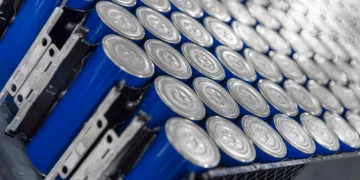







South Korean researchers have developed a lithium metal battery with a triple-layer solid polymer electrolyte, offering enhanced fire safety and extended lifespan.
The breakthrough could have wide-ranging applications, including being used in electric vehicles and large-scale energy storage systems.
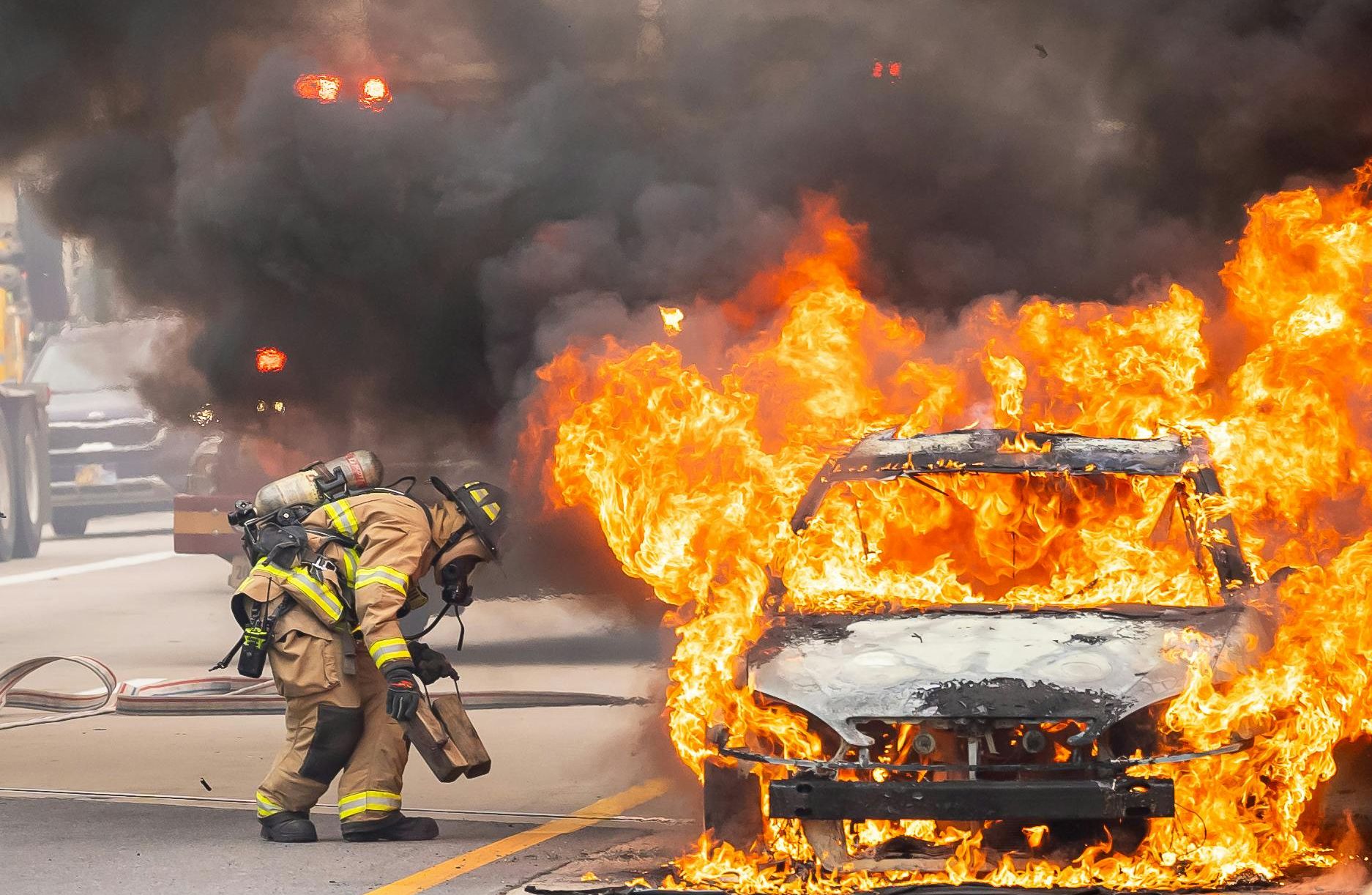
Conventional solid polymer electrolyte batteries face performance issues due to structural limitations and the formation of “dendrites”—tree-like lithium growths during charging cycles that disrupt connections and pose significant fire risks.
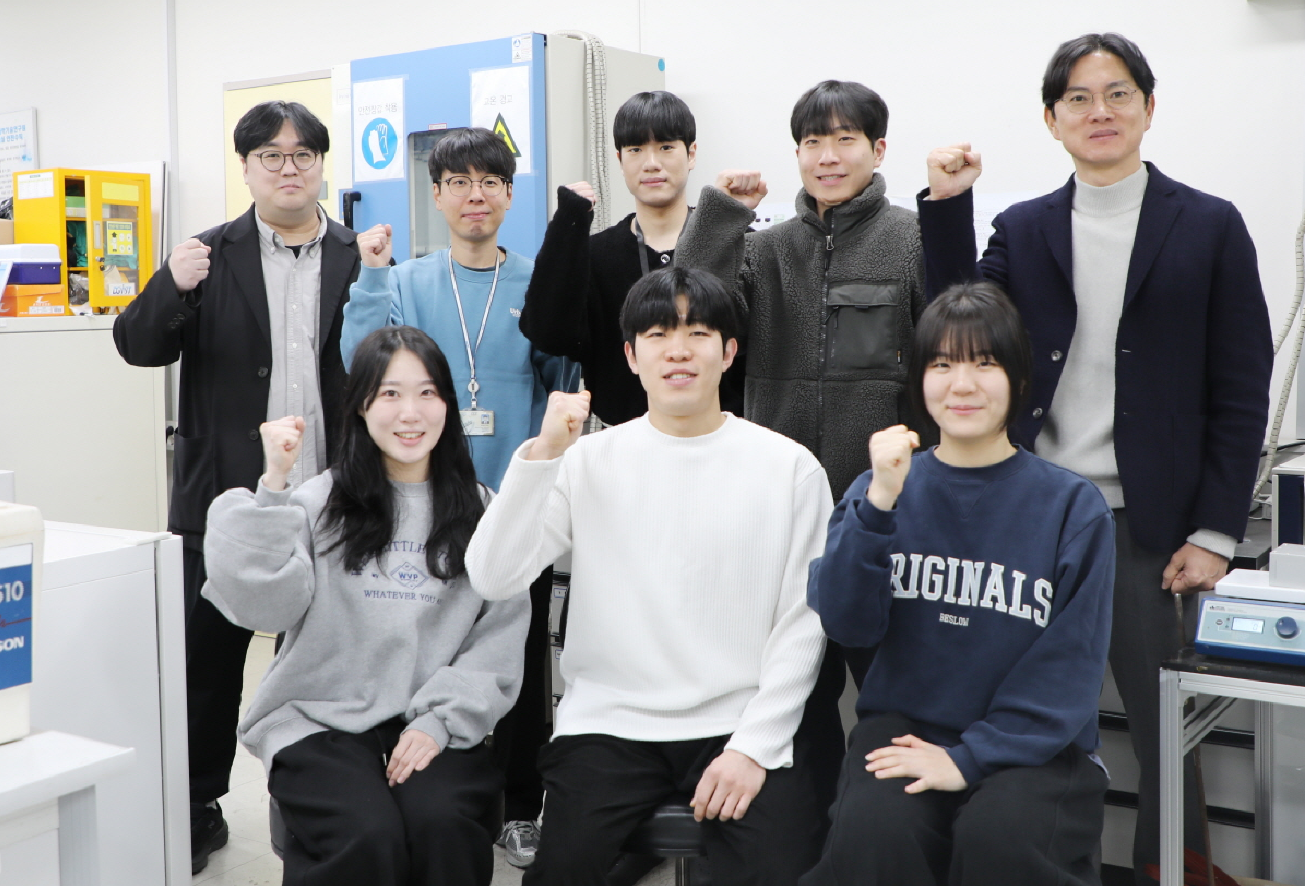
To address these challenges, the team at Daegu Gyeongbuk Institute of Science and Technology (DGIST) introduced a triple-layer electrolyte, with each layer performing specific functions to improve safety and efficiency.
The electrolyte incorporates decabromodiphenyl ethane (DBDPE) to suppress fires, zeolite to enhance mechanical strength, and lithium bis(trifluoromethanesulfonyl) imide (LiTFSI) to facilitate the rapid movement of lithium ions. This design prevents dendrite formation while enabling faster energy transfer and better electrode contact.
The battery demonstrated notable durability, retaining 87.9% of its performance after 1,000 charging cycles, compared to 70–80% in conventional batteries.
Additionally, the battery can extinguish itself in a fire, significantly enhancing its safety. These features make it suitable for applications ranging from small devices like smartphones to electric vehicles and energy storage systems.
“This research is anticipated to make a significant contribution to the commercialisation of lithium metal batteries using solid polymer electrolytes, while providing enhanced stability and efficiency to energy storage devices,” said principal researcher Kim Jae-hyun.
Supported by the National Research Foundation of Korea, the study was conducted under the Future Materials Discovery Project and the Mid-Career Researcher Program. The findings were published as the cover article in Small, an international academic journal by Wiley.
RELATED: CATL’s new chassis can survive 120kph head-on crash without catching fire or blowing up