








Hyundai Motor Company revealed plans to invest RM2.2 billion (US$479mil) in Malaysia between 2025 and 2030, reinforcing its regional presence.
The investment will focus on local production, exports, and workforce development.
In partnership with Inokom Corporation Sdn Bhd in Kedah, Hyundai will launch local production in mid-2025, starting with premium multipurpose vans.
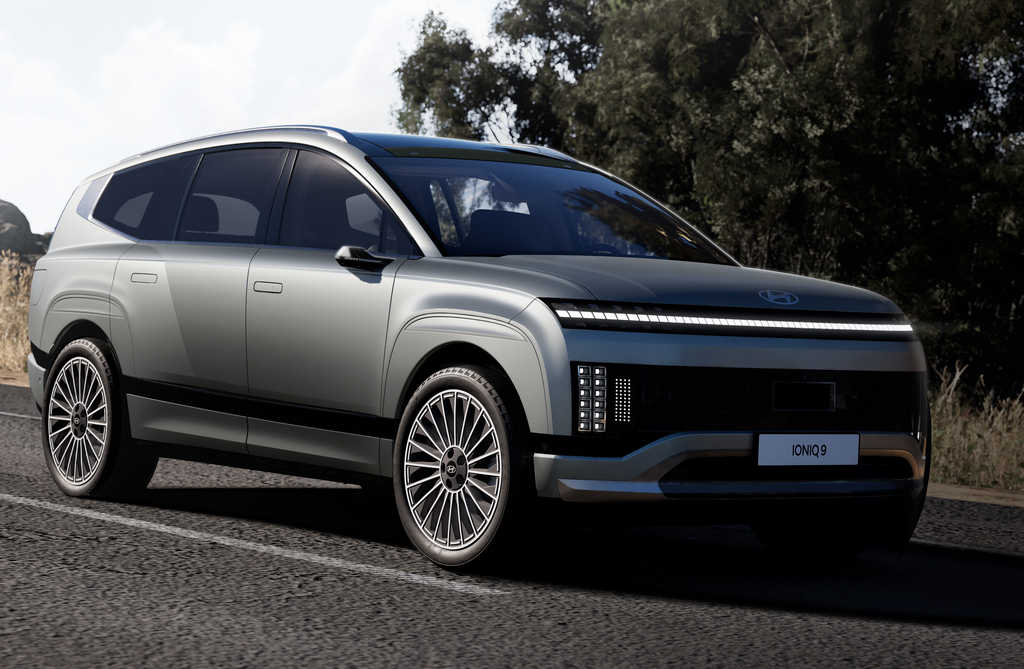
The lineup will later include mid-to-large SUVs and MPVs under the Hyundai and Genesis brands.
The facility will initially produce internal combustion engine (ICE) and hybrid models, with plans to expand into electric vehicle (EV) production.
Hyundai aims to export 30% of locally-produced vehicles to Southeast Asian markets as production scales, contributing to the growth of Malaysia’s automotive sector.
The company plans to assemble six models, including hybrid electric vehicles (HEVs) and introduce an EV battery pack assembly plant during its second phase.
The initiative supports Malaysia’s goal of becoming a regional automotive hub under the New Industrial Master Plan 2030, which aims to boost the automotive sector’s 4% contribution to GDP and sustain over 700,000 jobs.
“This investment will create hundreds of high-skilled, high-tech jobs while fostering valuable spillover benefits for small and medium enterprises,” said Minister of Investment, Trade and Industry Tengku Datuk Seri Zafrul Abdul Aziz.
“It strengthens Malaysia’s role as a regional leader in automotive and green technology.”
Hyundai also said it was ready to work with local universities and skill-building initiatives. Plans include a Hyundai Academy Course focused on EV technologies, a Sara Jump School for underprivileged youth, and a future mobility hackathon in collaboration with United World College.
Hyundai’s plans for Malaysia complements its broader efforts across Southeast Asia, including an EV innovation centre in Singapore and an EV cell and pack plant in Indonesia, underscoring the growing importance of the region, where Malaysia’s 750,000 annual vehicle sales make it a critical market for the Korean automaker.