



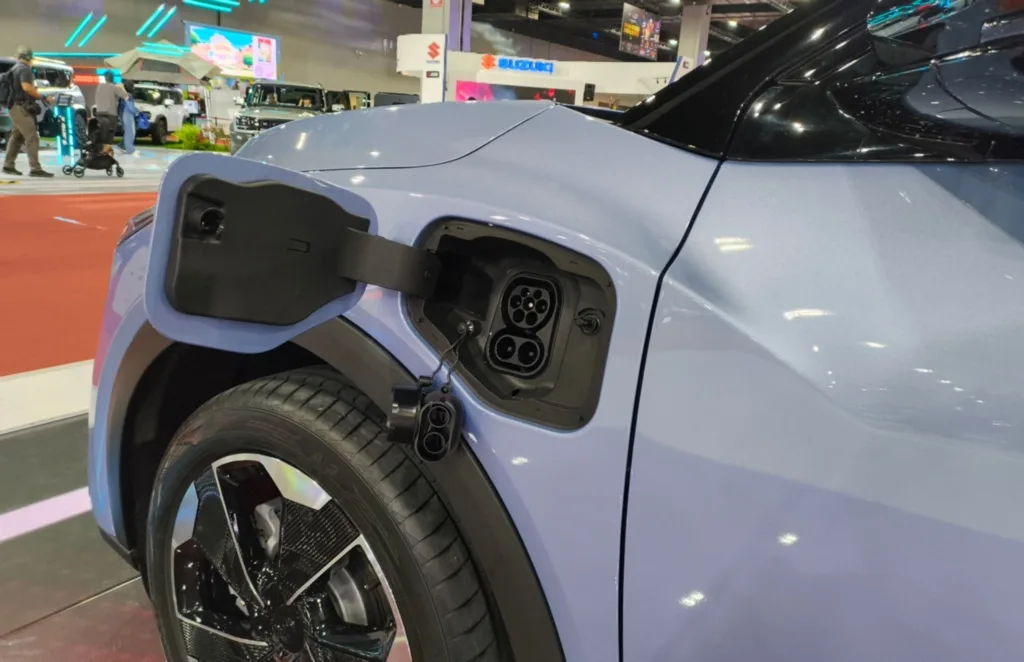
Battery replacement cost remains one of the biggest questions for people considering an electric vehicle (EV).
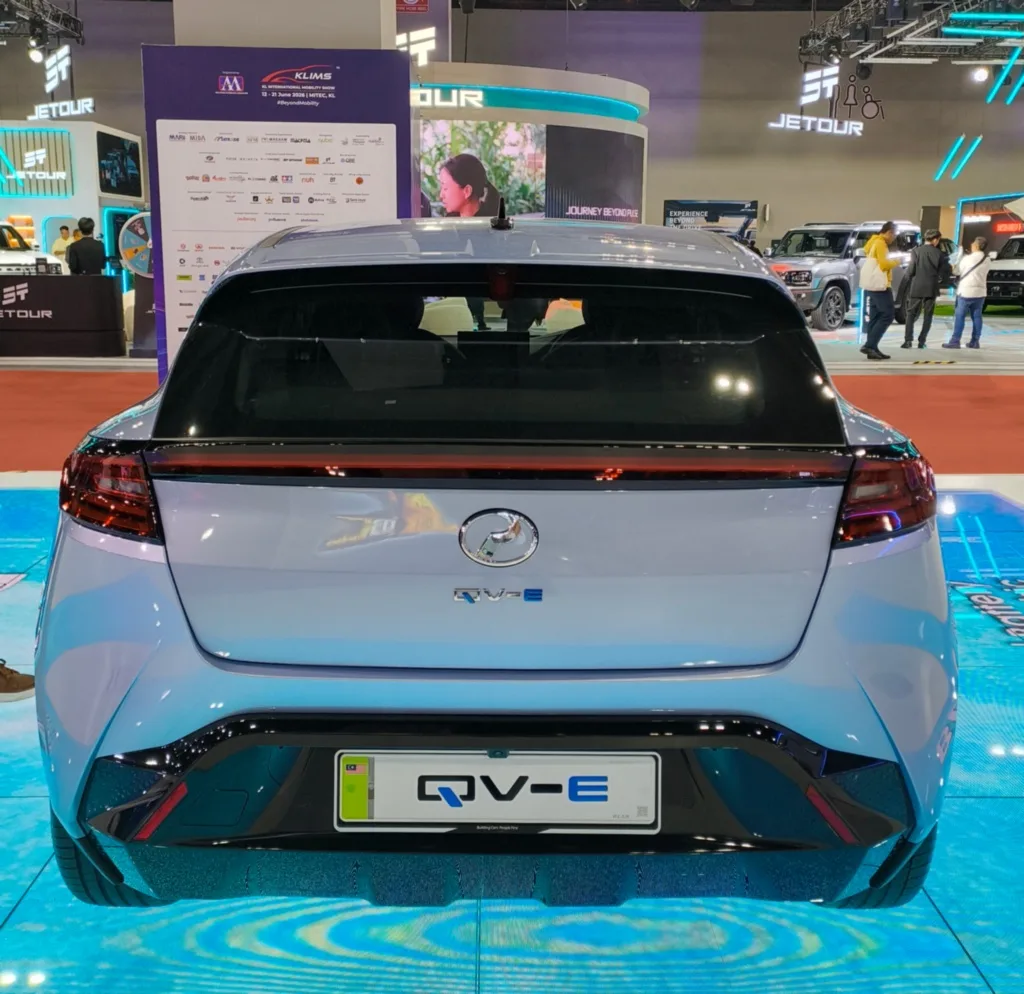
It is especially relevant to Perodua’s QV-E, which now gives buyers a choice between full battery ownership and a Battery as a Service (BaaS) plan.
New data from US battery analytics firm Recurrent does not address every QV-E question.
The car is too new for that, and Malaysia’s heat, charging behaviour and mileage patterns will all play a role.
What the data does challenge is the idea that a 10-year-old EV automatically needs a new battery.
Recurrent said drivers in its community had passed one billion miles of real-world driving and charging data by the end of 2025.
Its main finding was that the average EV retained 97% of its original range after three years and 95% after five years.
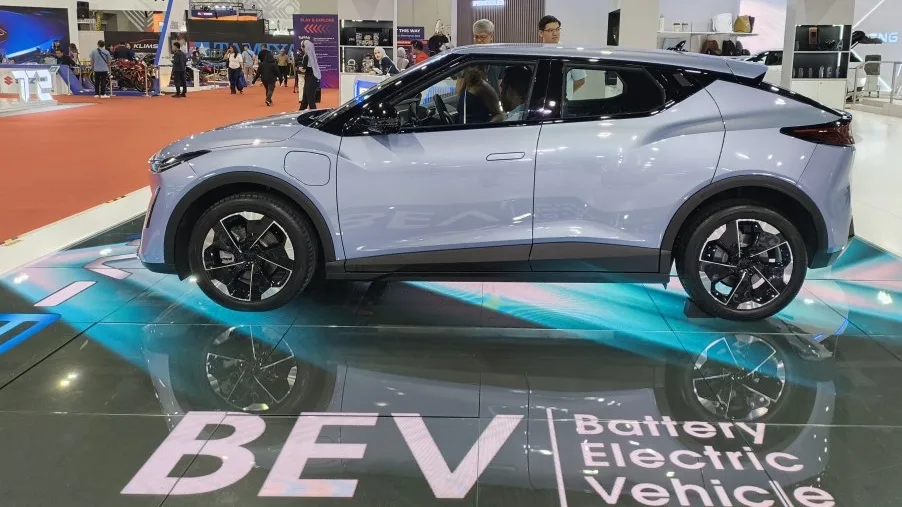
Using the QV-E’s 370km WLTP figure as a simple illustration, 95% range retention would work out to about 352km. That is not a QV-E forecast, but it shows why battery ageing is not always the cliff many buyers imagine.
Recurrent’s numbers track how much range cars are still showing.
Some EV makers can also hold back a small buffer of battery capacity and release it later, which helps the displayed range look steadier as the pack ages.
Battery replacement is a separate question, and Recurrent’s numbers are also less alarming than many people assume.
In a separate battery-life study, it said modern EVs from 2022 onwards had a replacement rate of just 0.3%, excluding major recalls.
Across all years and models in its community, fewer than 4% had required replacement outside major recall campaigns. The replacement rate rises among older EVs.
Recurrent put first-generation EVs at about 8.5%, while second-generation models such as early Chevrolet Bolt EV and Tesla Model 3 examples were around 2%.
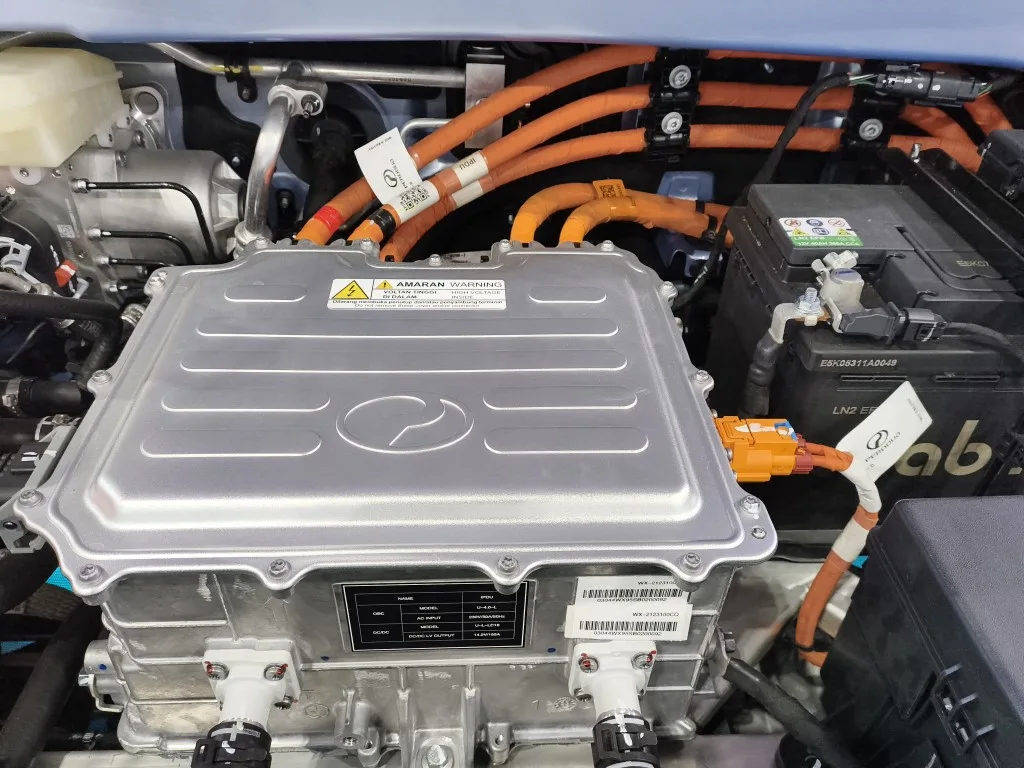
That gap is not surprising. Early EVs had smaller packs, earlier battery chemistry and less mature battery management. It is also the reason the QV-E’s ownership model has drawn so much attention.
Under Perodua’s BaaS plan, the battery is leased for nine years, with Perodua managing battery protection, disposal, replacement and insurance during the lease.
Buyers who choose outright purchase get conventional battery ownership, with separate high-voltage battery warranty coverage.
The QV-E also uses a 52.5kWh lithium iron phosphate battery.
Recurrent has said LFP batteries tend to have longer cycle life and better resistance to heat-related degradation than nickel-based chemistries, although it still recommends sensible charging habits for all lithium-ion batteries.
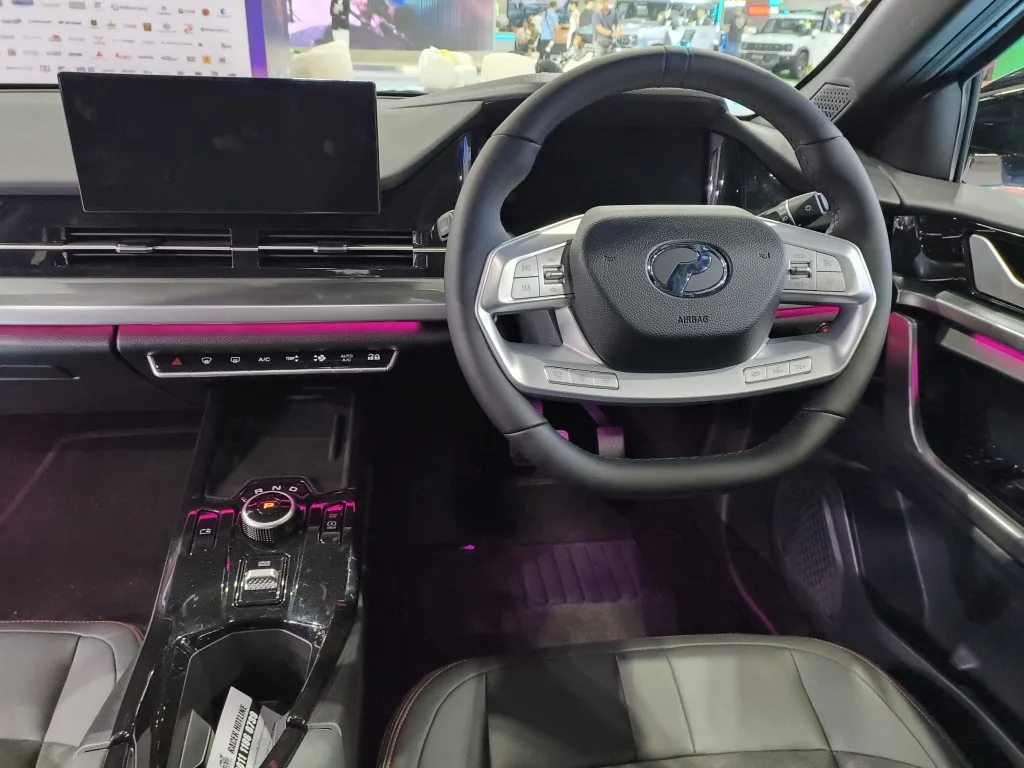
Based on Recurrent’s wider data, the answer is yes: many modern EV batteries can remain usable beyond 10 years.
For QV-E buyers, BaaS takes much of that risk off the table because Perodua remains responsible for the pack during the nine-year lease.
Outright purchase is the bigger long-term bet. Buyers own the battery, with the eight-year or 160,000km warranty as their safety net.
When the car enters the used market years later, a clear battery-health report could make all the difference.