




Volkswagen Group, Stellantis and Renault Group have backed a new “Made in Europe” framework for the EU car industry, calling for clearer rules and stronger incentives to keep vehicle production, batteries and key electric vehicle technology inside the bloc.
In a joint statement dated June 12, the three carmakers said they represent more than 60% of EU vehicle production.
Their core proposal is a “70:70 in the EU27” rule: 70% of vehicles sold by carmakers in Europe should carry 70% of their value content from the EU’s 27 member states (a framework that, per some reporting, would also extend to EEA countries Norway, Iceland and Liechtenstein). Cars meeting this threshold could qualify for “Made in Europe” status.
The proposal is aimed at the EU’s Industrial Accelerator Act and is tied to the “Made in Europe” initiative pushed by EU industry commissioner Stéphane Séjourné.
Volkswagen said the EV criteria should cover vehicle production, including assembly, research and development, the electric powertrain, battery cells and selected electronic components.
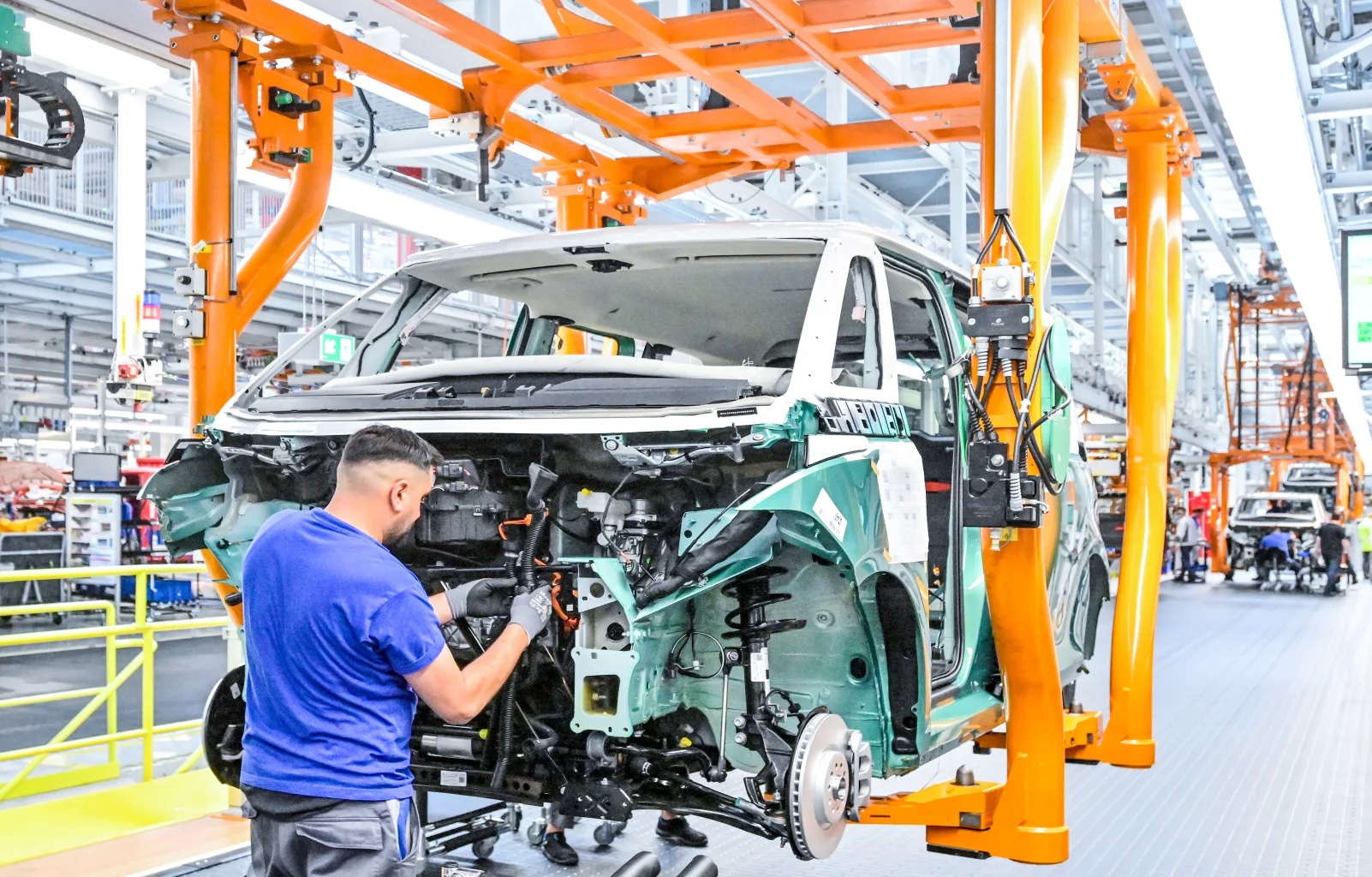
Cars meeting the criteria could then qualify for benefits such as national purchase incentives, public procurement support and a proposed CO2 bonus.
The carmakers also argued that Europe cannot simply build a wall around every part of production.
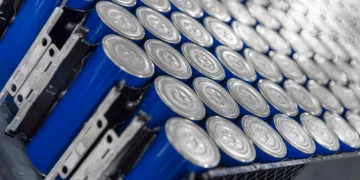
Instead, they want targeted support where Europe is most exposed, especially battery cells. Their argument is straightforward: Europe wants affordable EVs, but cheaper EVs often rely on low-cost imported batteries, so policy has to balance price, local jobs and supply-chain resilience.
Reuters, which said it had seen a joint letter sent to European Parliament members, reported the carmakers had warned that Europe’s competitiveness is being squeezed by high regulatory and production costs, global competition and weaker vehicle demand since 2019.
It also reported that the companies wanted simpler rules, incentives for local battery production and more flexibility to support affordable small EVs.
For Europe, this is industrial policy with a defensive edge. The message for Chinese EV makers is that selling into Europe may soon mean building, sourcing and engineering more of the car on the continent — not just shipping finished models in.