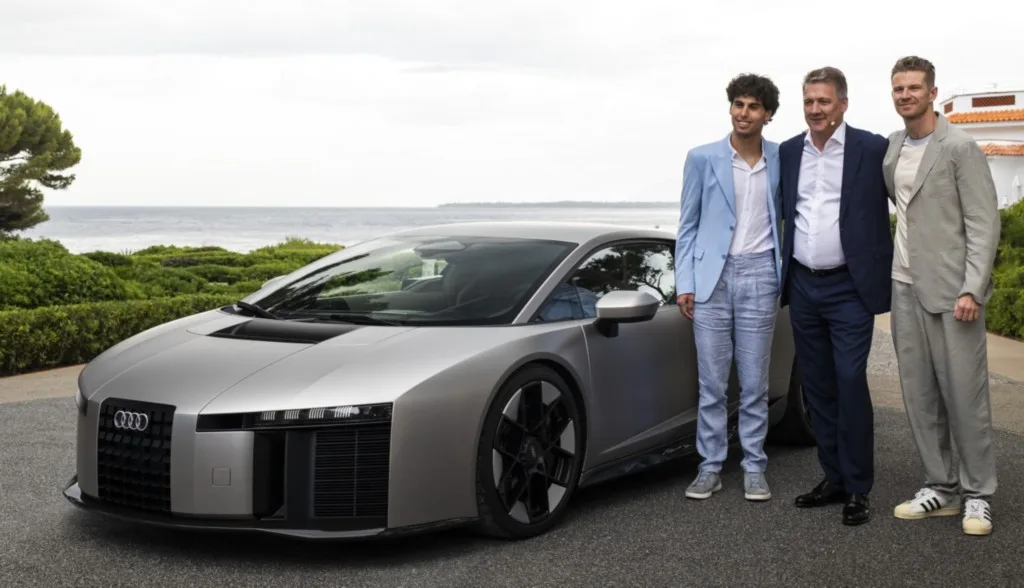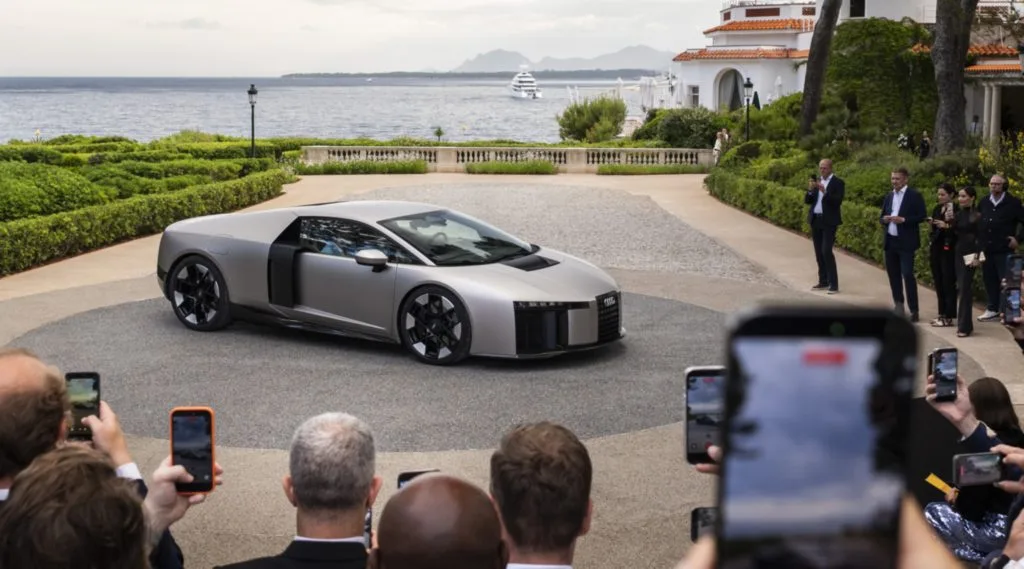










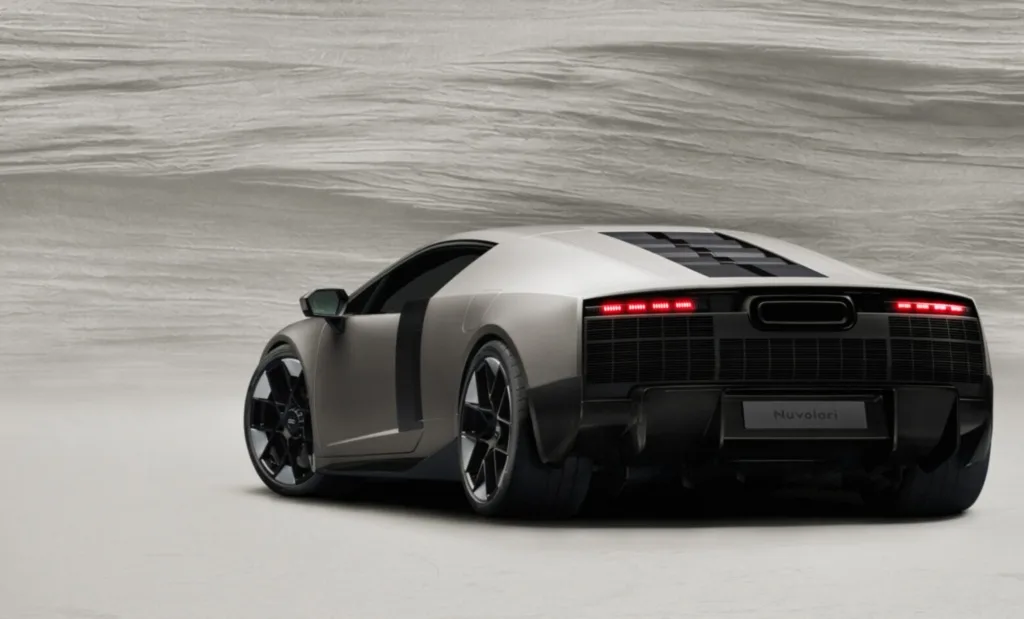
Audi’s new Nuvolari supercar brings a 736 kW (1,001 PS) hybrid V8 powertrain, a top speed of more than 350kph and a production run capped at 499 units. Deliveries are due to begin in the first half of 2027.
The car shown is still a near-production prototype, but Audi is already calling it the fastest and most powerful production vehicle in the brand’s history. It also marks Audi’s first supercar with a high-performance hybrid powertrain.
The Nuvolari uses a 4.0-litre biturbo V8 paired with three axial-flux electric motors. The engine alone makes 588 kW (799 PS) and revs to 10,000rpm, while the hybrid system uses a 7.3 kWh lithium-ion battery. Two electric motors sit on the front axle, with another placed between the V8 and the transmission.
Audi claims 0-100kph in 2.6 seconds and 0-200kph in 6.8 seconds, provided the battery is above 80% state of charge and warmer than 28°C.
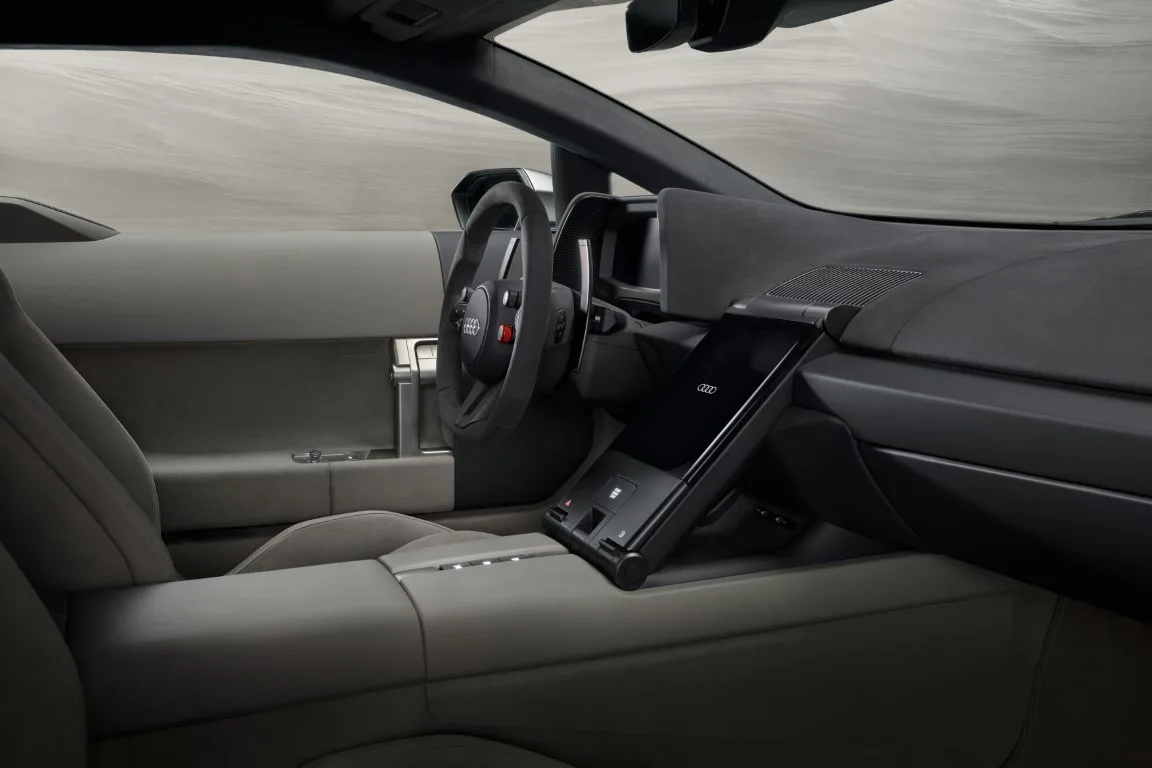
The hybrid system is built for performance rather than low fuel use. Audi’s preliminary figures list 270 g/km of CO2 on the weighted cycle, and 14.7 litres per 100km when the battery is discharged. The electric side is there mainly for response, torque control and acceleration.
The Formula 1 influence shows up in the chassis, aero and braking hardware. The quattro predictive ride system uses steering angle, acceleration, yaw rate and grip data to manage torque, braking and aerodynamic responses before the car loses traction.
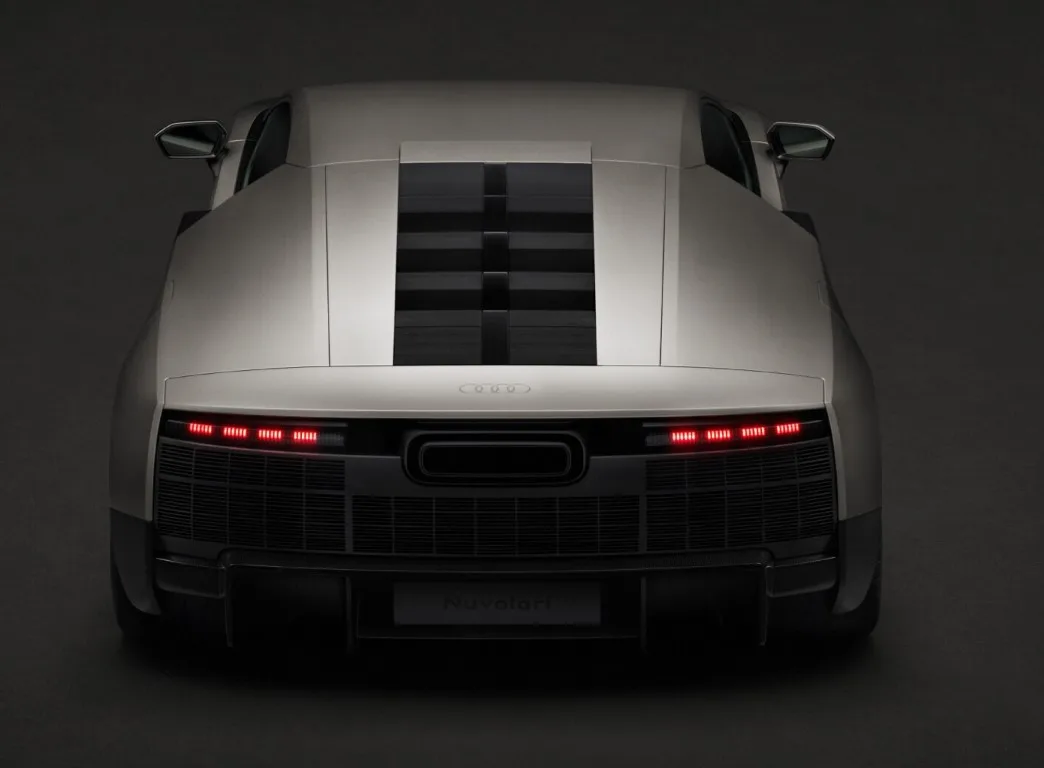
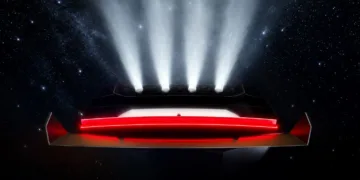
The active aero package includes a deployable rear wing with three positions: Closed, Low Downforce and High Downforce. A Drag Reduction System (DRS) function can be activated through a steering-wheel button, while the high-downforce setting can generate more than 400kg of downforce depending on the driving situation.
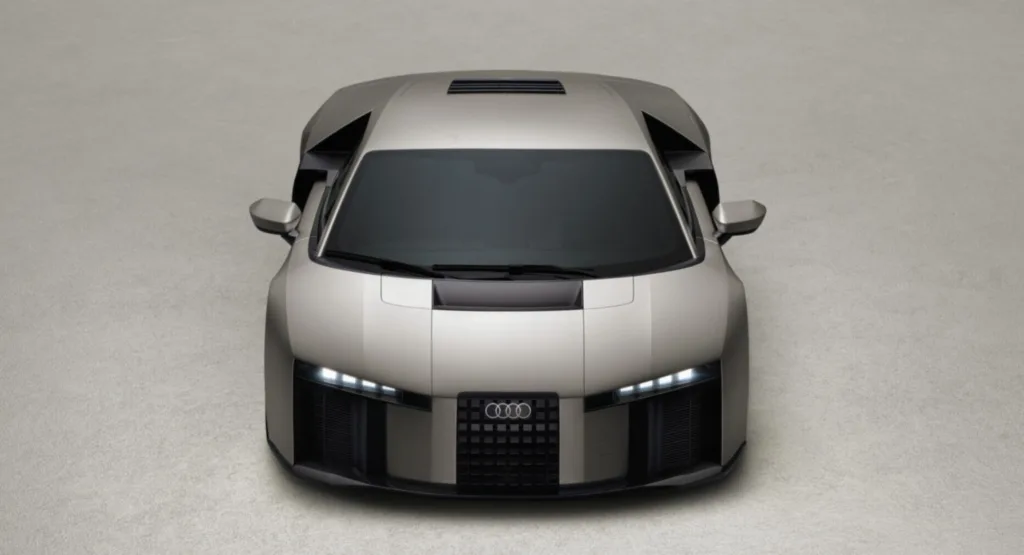
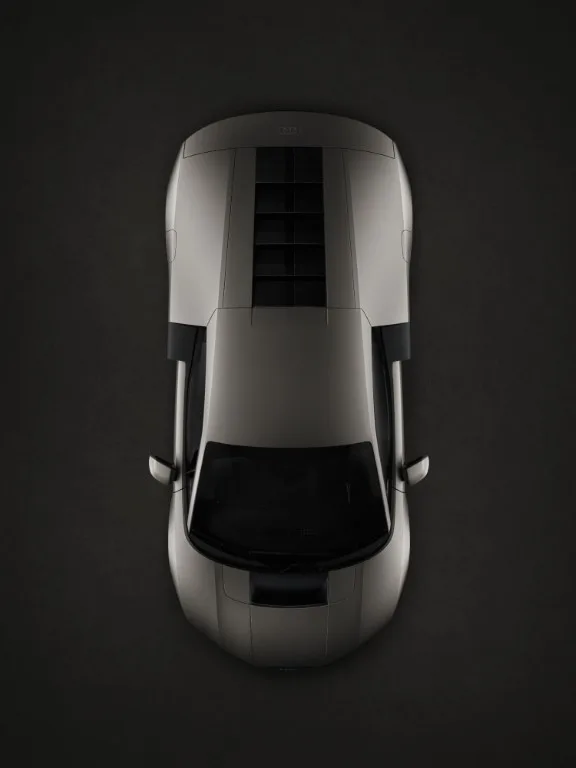
Underneath, the Nuvolari uses an Audi Space Frame with a carbon exterior. Audi says almost all exterior panels are made from carbon-fibre reinforced polymer, while forged centre-lock wheels make their first appearance on one of its production cars.
Audi Ceramic Pro brakes use 420mm front discs with 10-piston calipers, while the rear gets 410mm discs with four-piston calipers. Audi claims energy absorption of up to 2.8 megawatts, putting the system in Formula 1 territory.
The name comes from Tazio Nuvolari, the Italian racing driver linked to Auto Union’s pre-war Grand Prix history. Audi positions the Nuvolari as a new flagship rather than an R8 successor, built around hybrid performance, carbon construction and motorsport hardware.