








BYD’s Malaysia plan is still unsettled, even as the brand keeps adding showrooms and service support in the country.
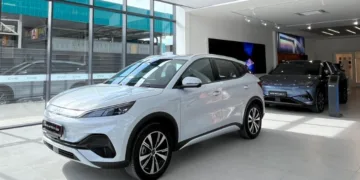
Demand is not the obvious problem. BYD remains one of Malaysia’s most visible EV brands, with Sime Motors running more than 40 showrooms nationwide.
The aftersales network is also growing. Earlier this year, BYD Sime Motors said it was working towards 34 aftersales touchpoints by 2026, with nine more service centres in the pipeline.
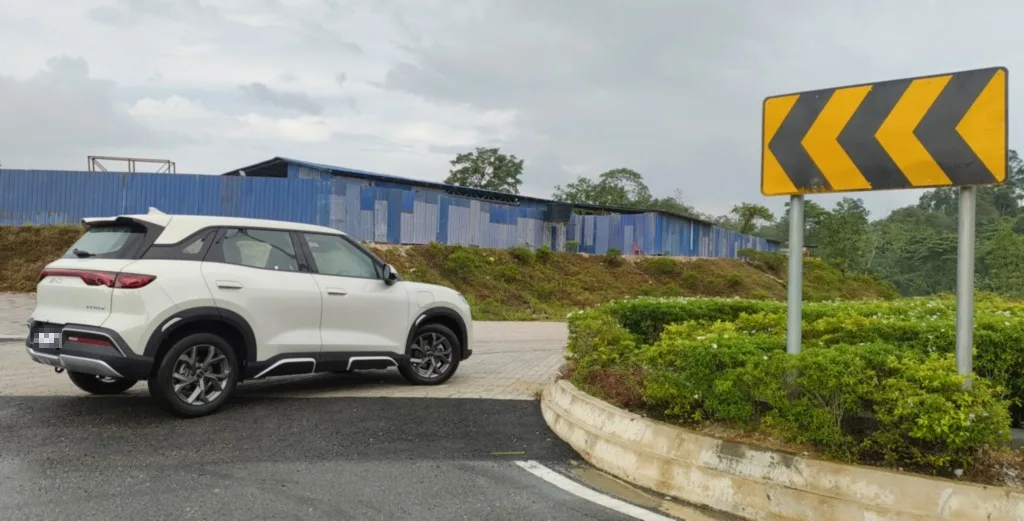
The real squeeze is on imported models. Malaysia’s revised CBU EV rules, due to take effect from July 1, set a minimum declared CIF value of RM200,000 and a minimum output of 180 kW (245 PS). Those requirements could make life harder for cheaper imported EVs, including several models in BYD’s current line-up.
BYD has yet to give a firm update on its earlier local assembly plan in Tanjung Malim. For now, talks are still ongoing between the parties involved.
“There are continuous discussions in BYD with the government together with Sime to explore the best direction to ensure sustainability of the brand in Malaysia,” Sime Motors managing director Jeffrey Gan told local automotive media outlet AutoBuzz.
Gan declined to comment further when asked about BYD’s local assembly operations.
Nevertheless, BYD is not pausing its Malaysia push. The brand is looking at Sabah and Sarawak for further growth, with BYD vice-president Liu Xueliang saying he sees demand for BYD vehicles and technology in East Malaysia.
At present, BYD is moving on two tracks. Its Malaysian network is still expanding, and talks with the government and Sime Motors are continuing.
But local assembly remains the thorny part of BYD’s Malaysia plan. Without a firm CKD timeline, it is still unclear how BYD would keep its more affordable EVs in Malaysia once the new import rules take effect.
NOTE: BYD executives recently visited Inokom’s Kulim assembly plant, fuelling speculation that the Chinese EV brand could use Sime Motors’ contract assembly arm for Malaysian CKD production instead of relying on its earlier Tanjung Malim plant plan. Inokom is part of Sime Motors, which also distributes BYD in Malaysia through BYD Sime Motors, so the route would keep assembly and distribution within the same broader Sime group structure. Nothing has been officially confirmed, but contract assembly could cut BYD’s upfront investment and speed up local production as Malaysia’s EV policy pushes brands towards CKD.