

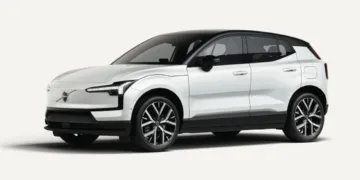


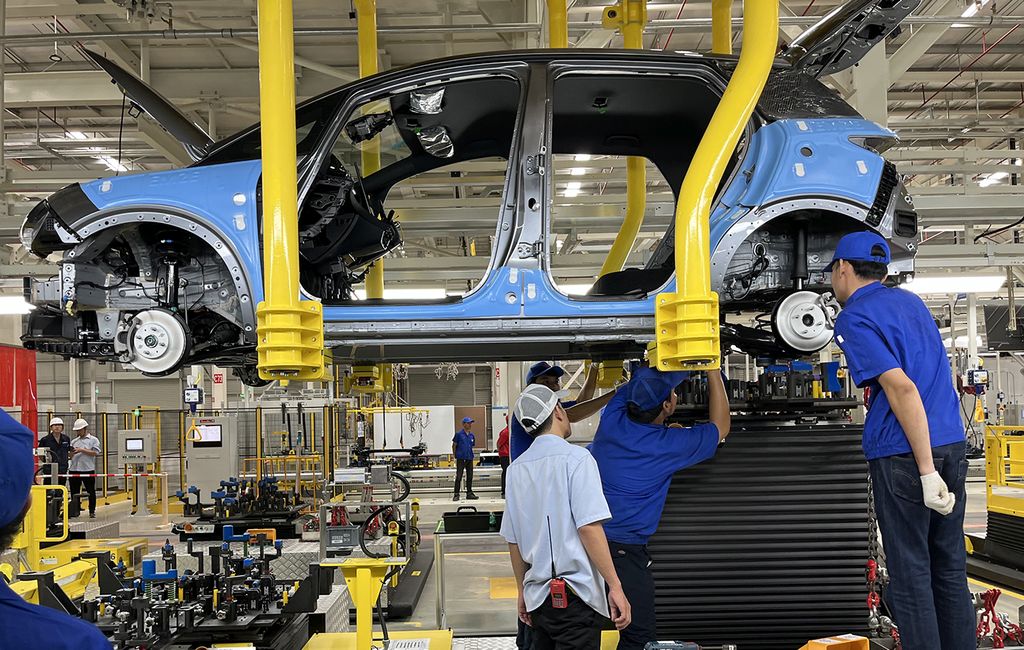
Auto heavyweights BYD from China and BMW from Germany have both chosen Thailand as a key base for manufacturing electric vehicles (EVs) and their advanced batteries.
This strategic move by two vastly different companies underscores Thailand’s growing importance as a global hub for EV production, driven by the country’s favourable government policies, tax incentives, and subsidies aimed at fostering the clean energy transition.
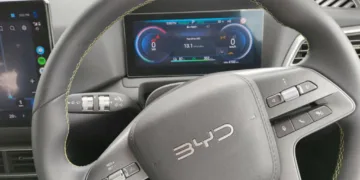
BYD, which is competing with Tesla for dominance in the global new energy vehicle market, inaugurated its state-of-the-art factory in Rayong, Thailand, on July 4, 2024.
The factory, with an investment of 32 billion baht (around US$900 million), is part of a broader trend where six other major Chinese BEV (Battery Electric Vehicle) manufacturers, including Great Wall Motor and Changan Automobile, are also setting up production facilities in the country.
In addition to Chinese companies, Japanese automakers like Isuzu, Toyota, and Honda are also increasing their presence in Thailand. Isuzu, which controls half of the Thai pickup truck market, unveiled its first BEV, a version of the D-Max pickup truck, at the Bangkok International Motor Show in March 2024.
The truck, to be manufactured in Thailand, will be exported to select European markets starting in 2025.
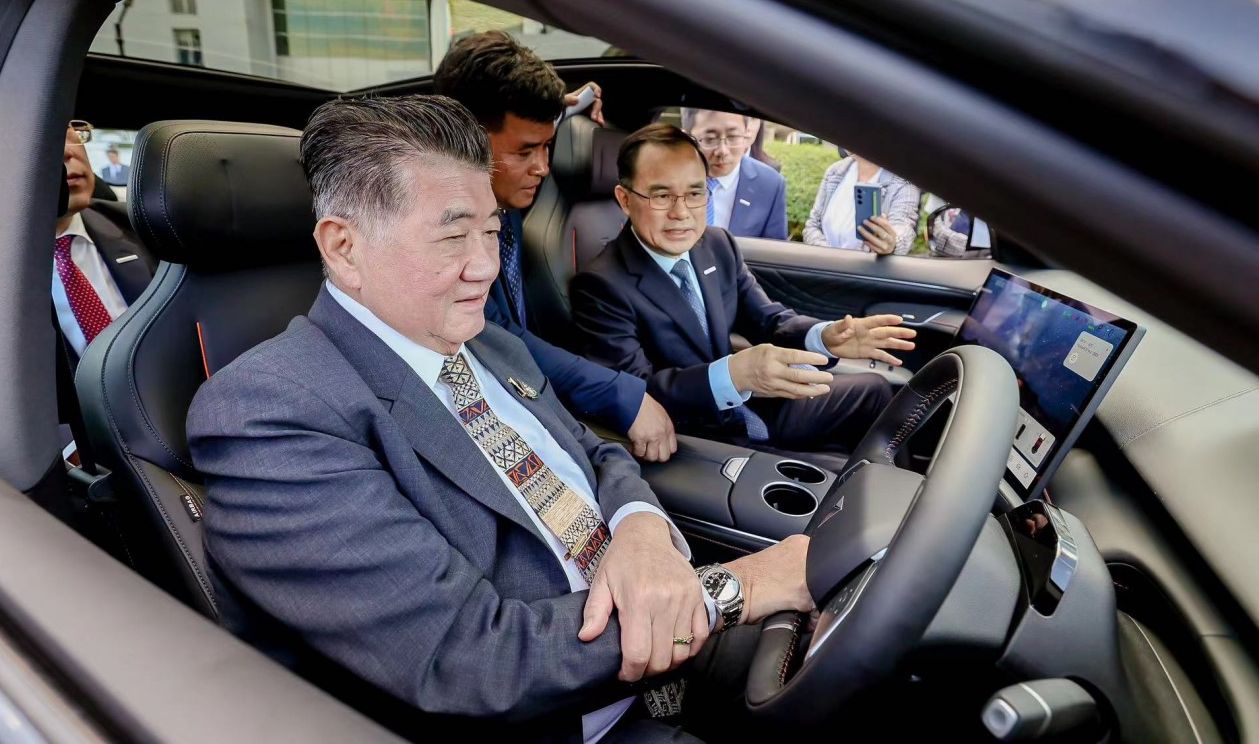
Similarly, Korea’s Hyundai Motor Company received approval from Thailand’s Board of Investment (BOI) in August 2024 to invest 1 billion baht in local assembly of BEVs and their batteries starting in 2026.
European automakers are also joining the fray; Mercedes-Benz has been assembling EVs in Thailand since 2022, and BMW, which has been manufacturing cars in the country since 2000, plans to launch its first locally produced EVs in 2025. BMW is also investing in a 42 million euro high-voltage battery plant in Rayong.
Thailand’s rise as a major EV production hub is a result of targeted government policies that have made the country an attractive destination for automakers.
These policies include subsidies, tax breaks, and incentives that have not only boosted BEV sales but also attracted significant foreign investment.
For instance, SVOLT Energy Technology, a Chinese battery maker, partnered with Thai energy company Banpu Next to begin producing EV battery packs in Thailand in 2024, further solidifying the country’s EV supply chain.
Changan, another Chinese automaker, announced in May 2024 partnerships with Thai parts manufacturers as part of a plan to produce EVs locally from 2025, with an investment of 20 million baht (about US$540 million).
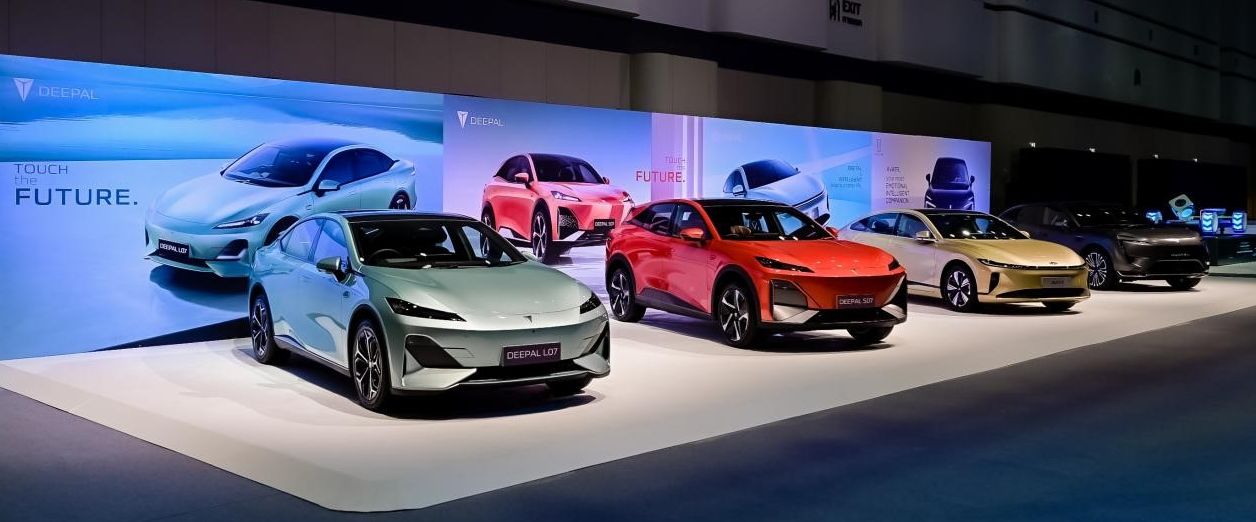
In total, 18 clean energy automakers have invested US$2.2 billion in Thailand, a figure that the BOI predicts could increase tenfold by 2027.
Thailand has long been a significant player in the conventional internal combustion engine (ICE) auto industry, ranking 10th globally and first in Southeast Asia in 2023.
However, the government’s commitment to the EV sector has catapulted the country towards the top of global EV rankings, surpassing the US and closing in on China.
In 2023, EV sales in Thailand surged nearly eightfold to 76,000, accounting for 12% of all vehicles sold, and the market share is expected to rise to 14% in 2024.
BYD’s success in Thailand is particularly notable.
The company entered the market in 2022 with its Atto 3 model, which quickly became a bestseller.
BYD sold 30,000 vehicles in Thailand in 2023, capturing 40% of the local EV market. The opening of its new factory in Rayong, with a production capacity of 150,000 vehicles annually, is set to play a crucial role in BYD’s international expansion, particularly in the Asean region, Australia, and Europe.
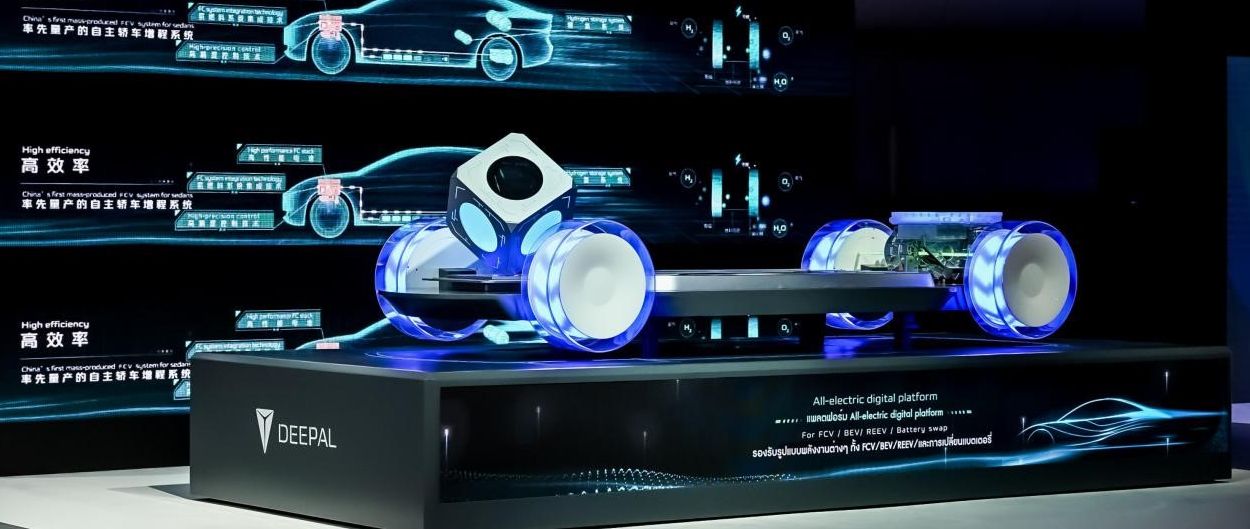
Thailand’s “30@30” strategy aims to have 30% of all vehicles manufactured in the country be EVs by 2030, including private cars, trucks, and buses.
With more than half of Thailand’s 2.5 million vehicle manufacturing capacity destined for export, the country is poised to become a major global contributor to clean energy vehicle production.
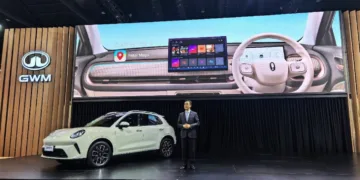
The government’s strategic incentives have attracted a diverse array of automakers, including Great Wall Motor, which converted a former General Motors factory in Rayong into an EV production facility, and Hozon, which opened the first 100% EV factory in Thailand in March 2024.