
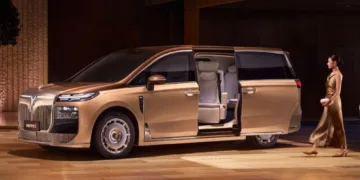



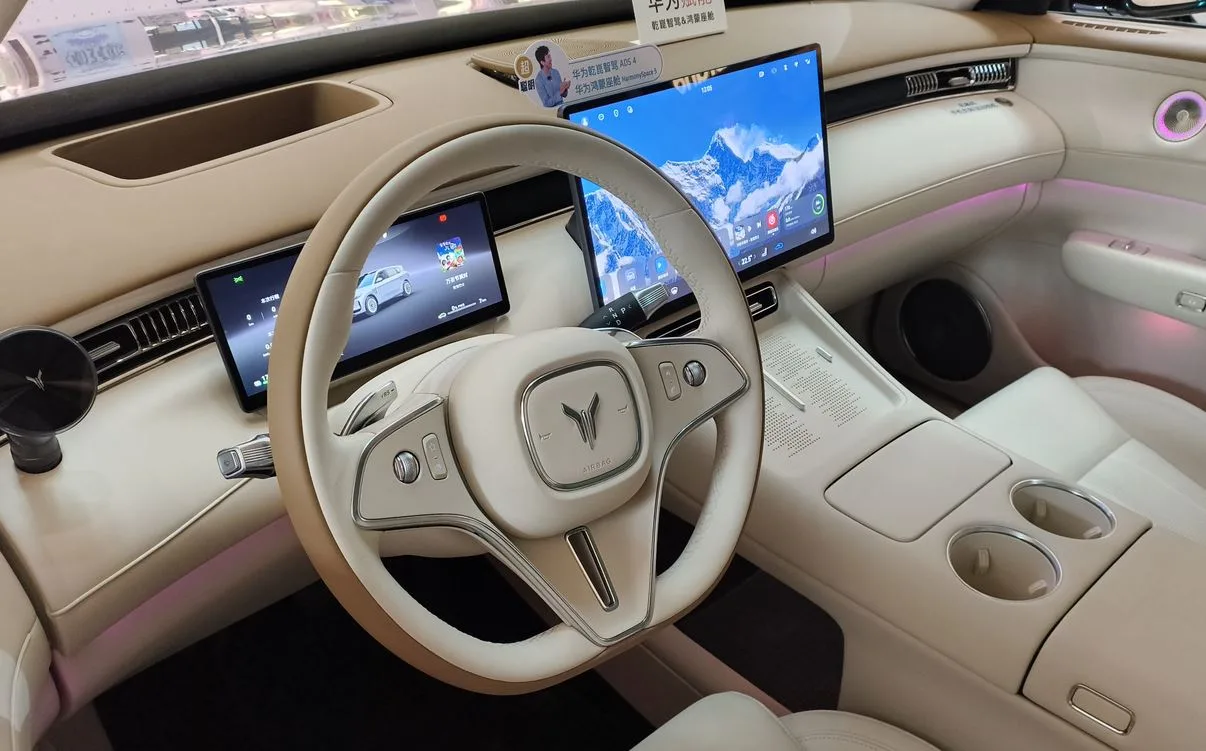
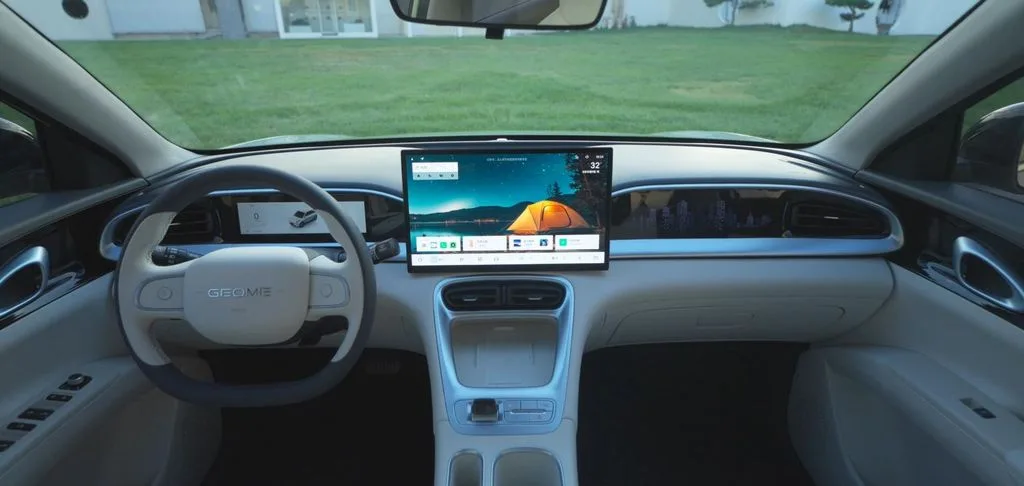
For all the talk of “brutal” rivalry, China’s new energy vehicle (NEV) scene is showing a more awkward truth, according to a recent CarNewsChina report: too many cars are starting to look, feel and even spec out like each other, suggesting the industry is running short on genuine innovation.
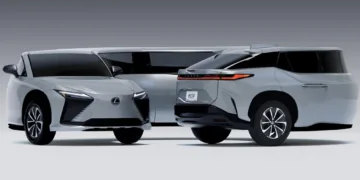
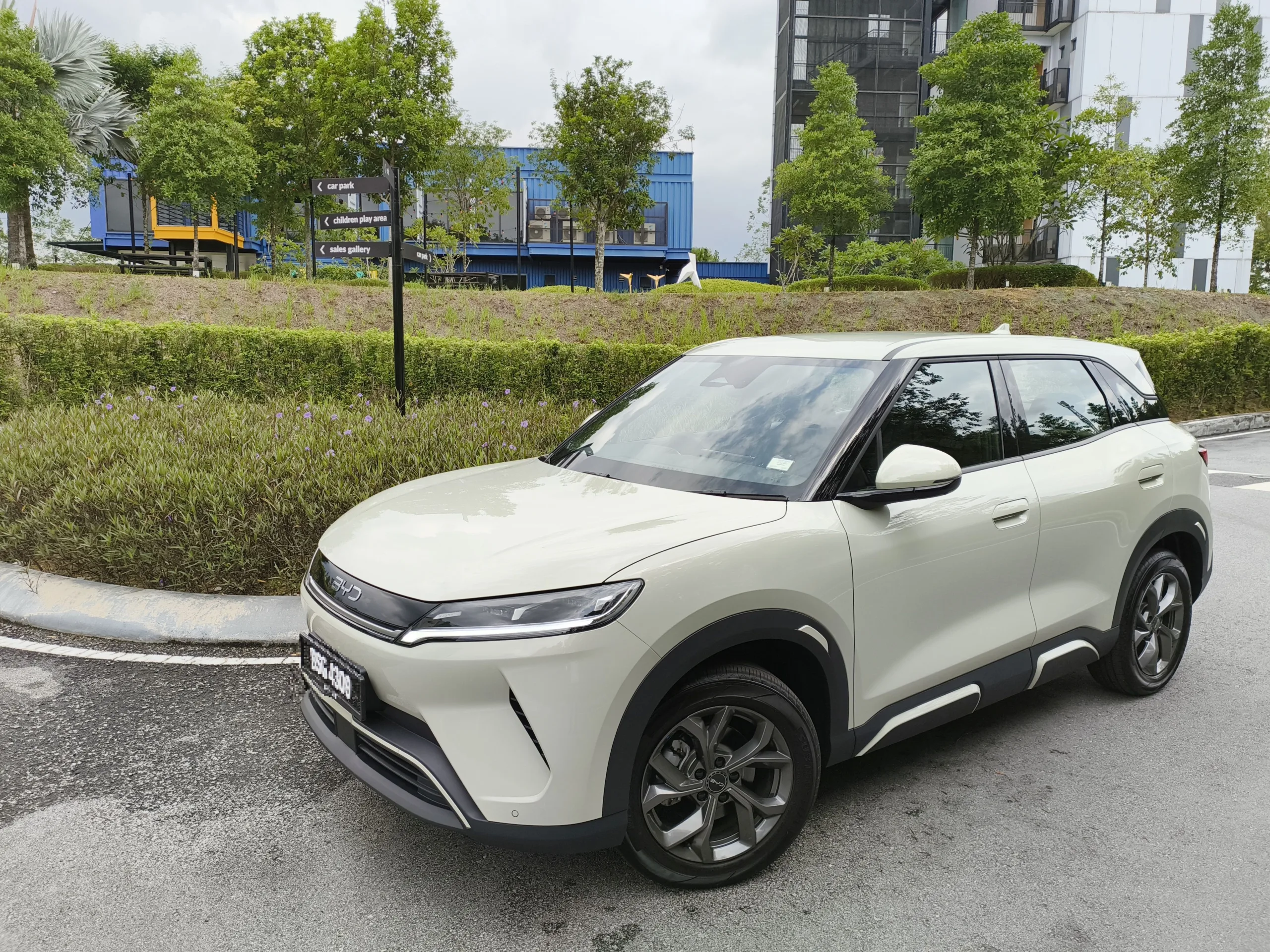
Across recent launches, familiar cues keep repeating. There is the through-type light bar or aggressively sharp headlights. Roof-mounted lidar is increasingly common.
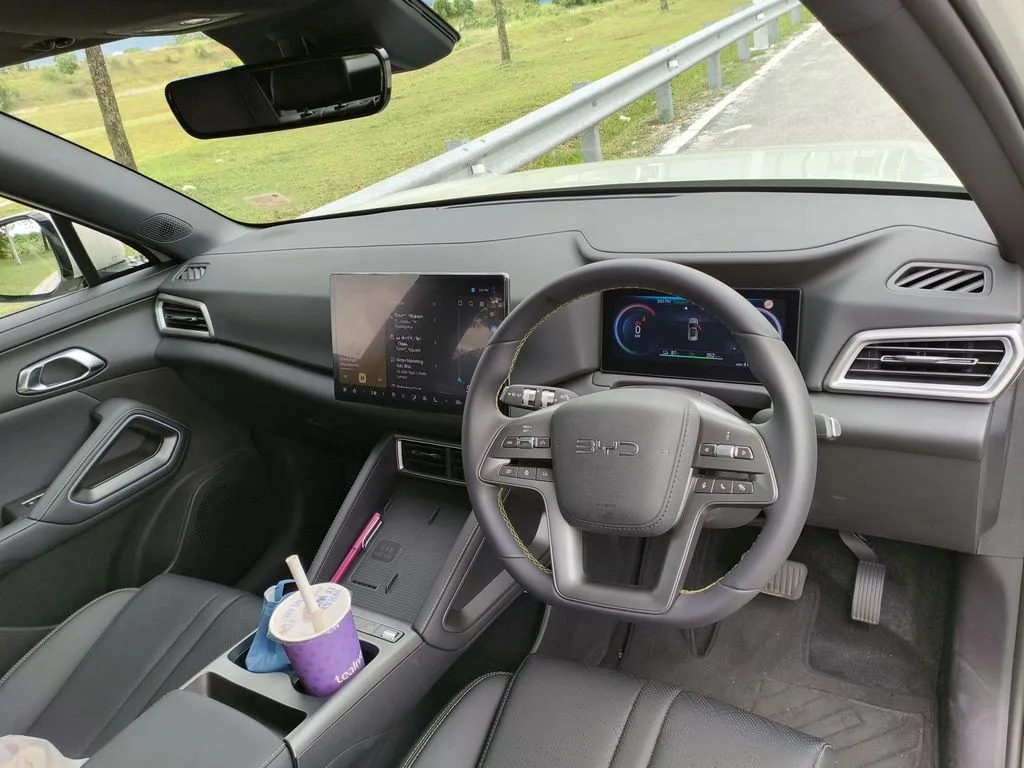
Hidden door handles turn up on everything from family crossovers to executive saloons. Inside, many models converge on the same cockpit recipe: a small instrument display, a large central touchscreen and a flat-bottom steering wheel.
The tech stack is also beginning to converge. In 2025, according to CarNewsChina, Huawei’s Qiankun ADS advanced driving system is close to becoming a default option across many new models, extending beyond Chinese brands to joint-venture cars such as the Audi A5L and Q5L.
Geely vice president and global design head Chen Zheng told CarNewsChina that the market is sliding into trend-chasing, where fashionable elements are applied almost indiscriminately.
The result, he argues, is a showroom problem: buyers struggle to tell brands and models apart at a glance when the surfaces, lighting signatures and cabin layouts blur together.
Voyah chairman Lu Fang made a similar point in comments reported by CarNewsChina.
The competition looks intense, he said, but it can mask a deeper weakness in originality.
He attributes part of the issue to “low-level competition” that pushes companies towards copying rather than solving real user needs.
The debate is not purely theoretical. Dongfeng, which owns Voyah, has faced plagiarism accusations before.
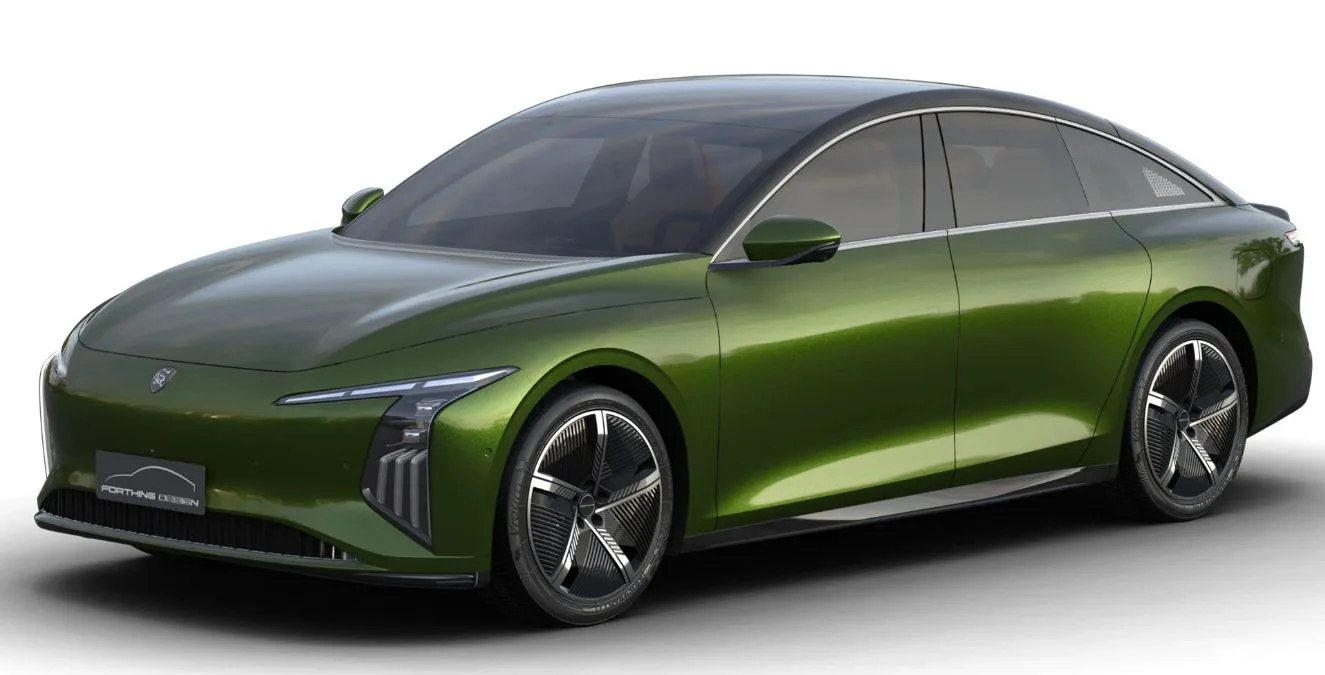
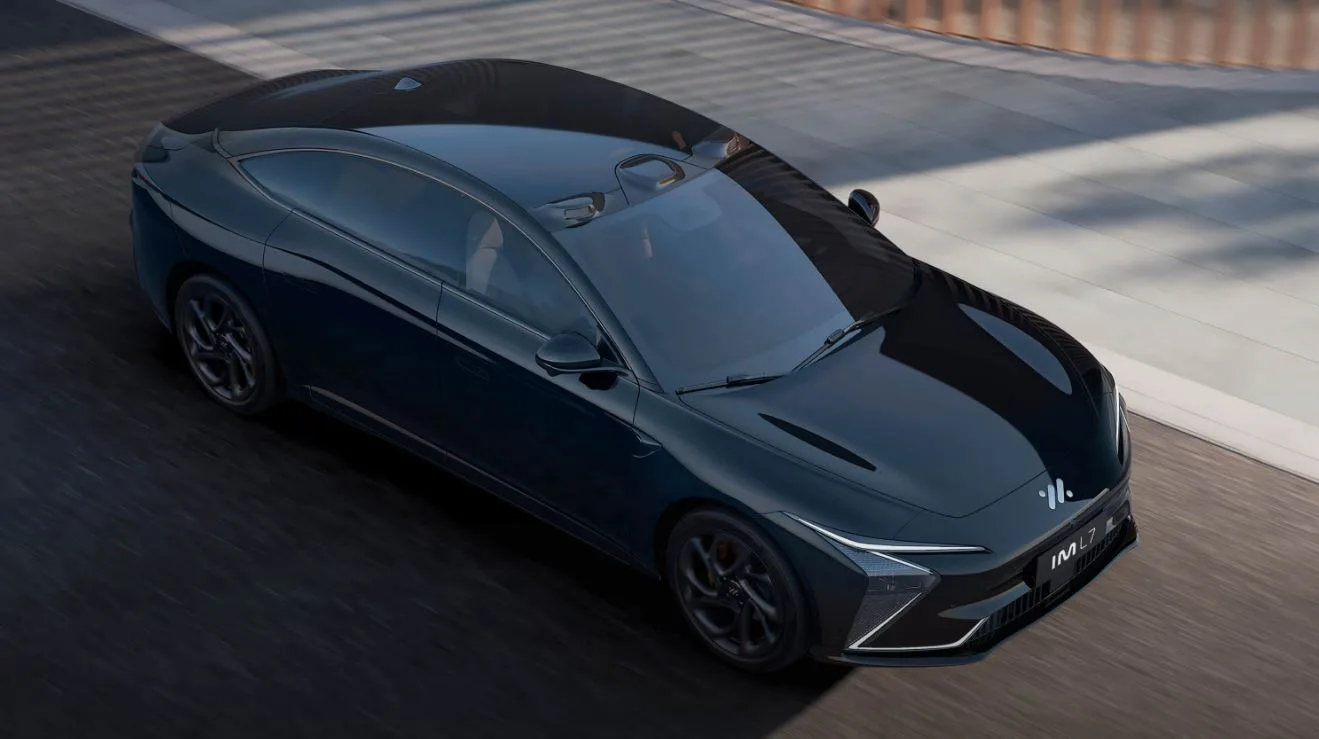
When the Dongfeng Forthing Xinghai S7 was announced, CarNewsChina reported that IM Motors’ design director publicly questioned its originality, pointing to similarities with the IM L7.
Industry insiders link the copycat cycle to basic economics.
Developing a car is expensive, demands coordination across thousands of components, and carries hard safety and technical targets.
Parts procurement across NEV makers, they claim, is often strikingly similar, leaving brands to differentiate mainly through styling, screens and option lists.
Enforcement may be another weak spot. Chinese outlet Sohu, cited by CarNewsChina, reports that protecting design intellectual property can be difficult, with exterior-design disputes often subjective and many cases ending in settlement or being dropped, which can embolden repeat offenders.