





Honda and the Ohio Department of Transportation (Odot) in the United States have come up with a pilot that could save money, cut risk for road crews and make roads safer before problems worsen.
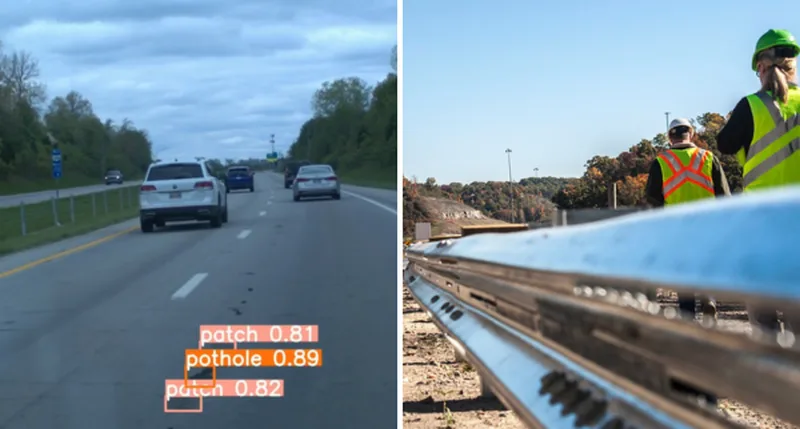
A pilot project led by Odot and Honda showed that real-time data generated by vehicles can be used to detect road defects such as potholes, damaged guardrails, missing signs and other hazards without sending inspection crews out first.
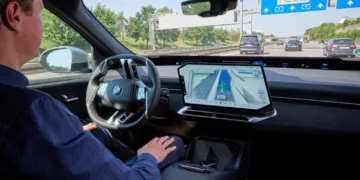
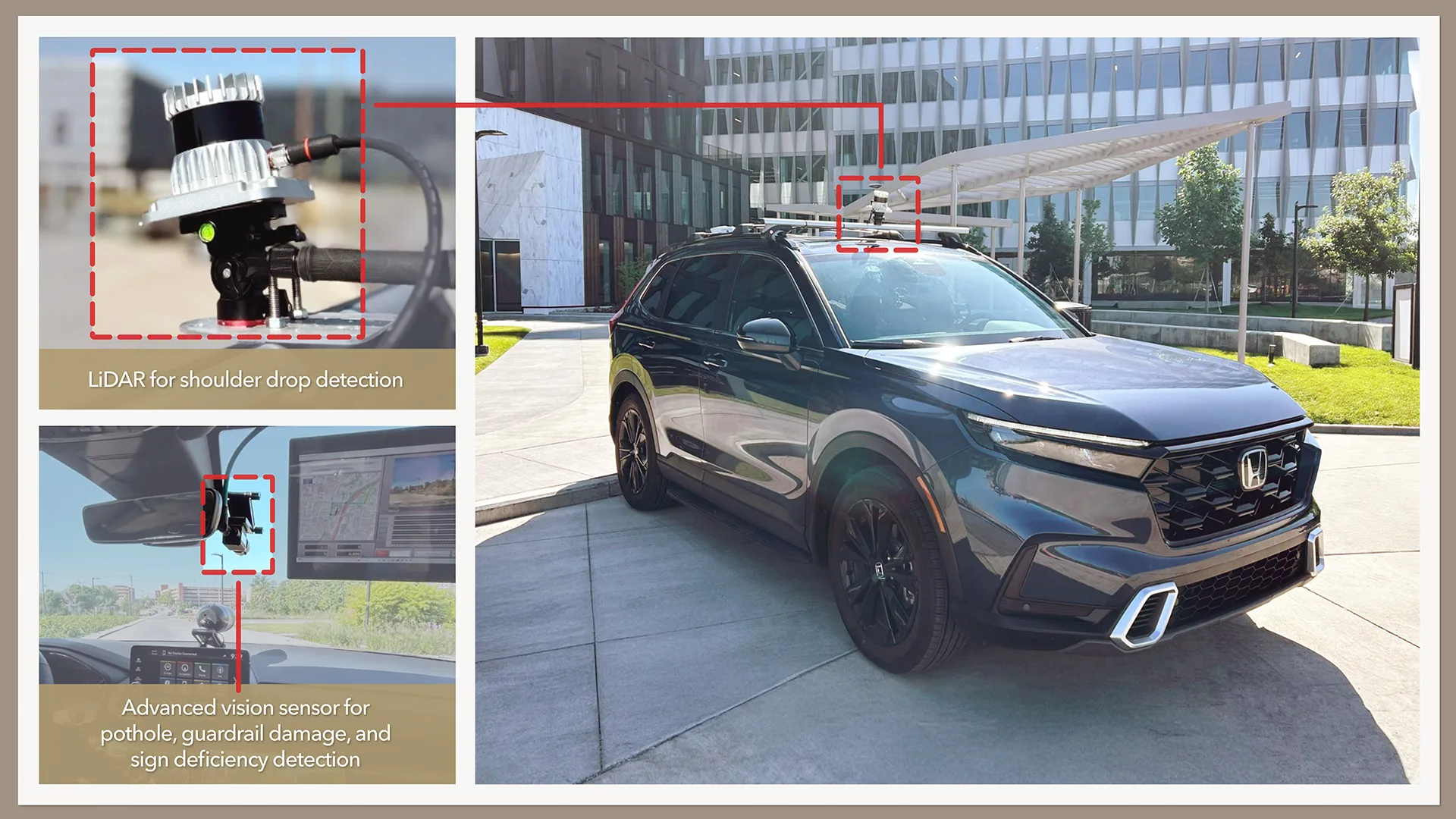
According to Honda, the system monitored about over, 4,800km of roads in central and south-eastern Ohio using sensors already common in advanced driver-assistance systems, including cameras and lidar.
The prototype is called the Honda Proactive Roadway Maintenance System, and the idea is simple.
Rather than treating vehicles simply as transport, Honda wants them to act as moving sensors that can help flag road issues as people drive. The project was developed with Odot, DriveOhio, i-Probe Inc., Parsons and the University of Cincinnati.
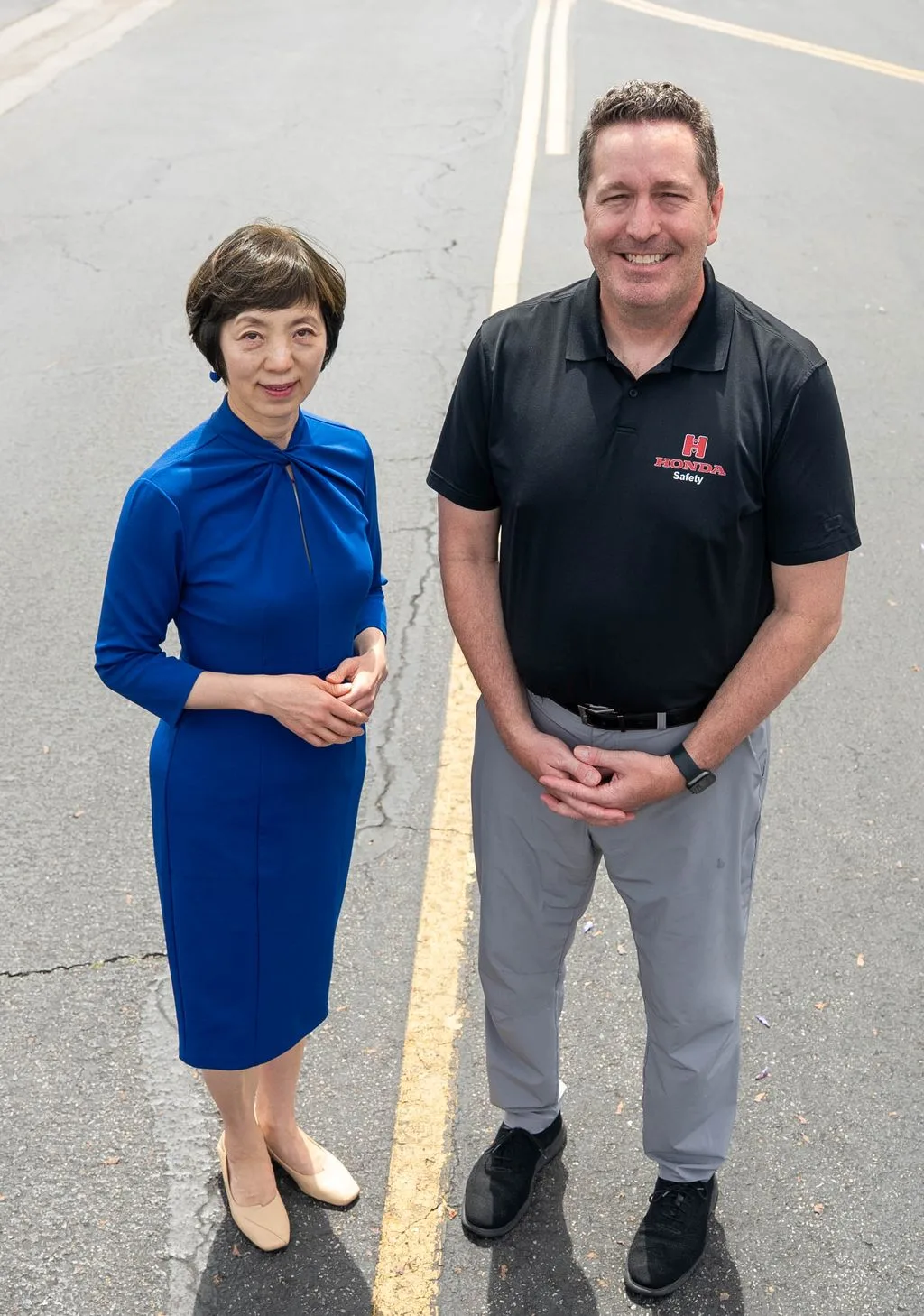
Honda chief engineer Sue Bai, who started the programme, said the idea was to use sensors already fitted to vehicles to let drivers play a part in keeping roads safer in their own communities.
Honda safety strategy director Brian Bautsch said the Ohio pilot showed how road safety can be tackled as a shared infrastructure problem rather than something solved by vehicle technology alone.
The stats are fairly encouraging. Honda said the system achieved 93% accuracy in identifying damaged guardrails and 89% accuracy for potholes.
When a defect was detected, AI-processed data was sent automatically to Odot dashboards, where work orders could be created and prioritised by severity.

That meant crews did not need to drive around first just to find the problem. The project team estimates that, if deployed at scale, the system could save Odot more than US$4.5 million (RM17.8mil) a year.
There is also a safety benefit for road crews. Honda noted that more than 100 workers die each year during roadside maintenance on average. If damaged guardrails and other defects can be identified remotely, that reduces the need for people to inspect risky locations in person.
Honda said it is now in active talks with several states about expanding the system beyond Ohio.
Participation, though, would depend on vehicle owners choosing to share relevant road-condition data.
Bai said customers would remain in control of whether they take part, and that the system collects only what is needed, such as location and detected road deficiencies.
She also suggested other carmakers could eventually join a broader industry-government effort.