







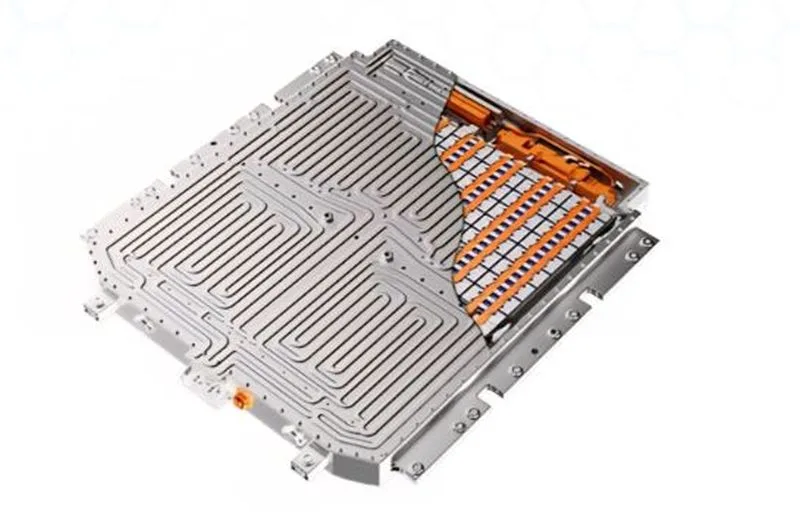
Svolt Energy has rolled out its Dragon Armor 3.0 battery-pack technology featuring what it called “fire-electric separation”, explaining that the design was a way to keep thermal-runaway events from sending flames towards the passenger compartment.
In its Chinese-language announcement dated Jan 19, the battery maker said Dragon Armor 3.0 was a safety upgrade, with the key claim centring on physically separating the electrical terminals from the pressure-relief (venting) pathway so heat and flame could be guided away from occupants if a cell failed.
Chinese media reports said the concept put the “electric” side (terminals) on one side of the prismatic cell and the “fire” side (vent channel) on the other, with the venting directed downward in a thermal event.
SVOLT also linked the architecture to packaging efficiency. The company said the system supported CTC/CTB-style integration while allowing the cell’s top structure to contribute to load-bearing, and it claimed the bottom area could share space between venting and crash-protection needs.
On capacity, the same coverage said SVOLT cited a 7%–10% energy increase within the same pack envelope through tab-offsetting and pack space optimisation, with a further gain possible if cell height rose by 5mm.
Separately, SVOLT’s Battery Day messaging around the Dragon Armor 3.0 platform referenced pairing the approach with semi-solid technology, alongside planned large-capacity packs including an 86kWh unit for plug-in hybrids and a 115kWh pack for battery-electric models.