









Chinese powertrain maker Yuchai Group just launched what it’s calling a flywheel range-extender system — and while it’s aimed at trucks and industrial equipment, the underlying tech could eventually find its way into passenger EVs.
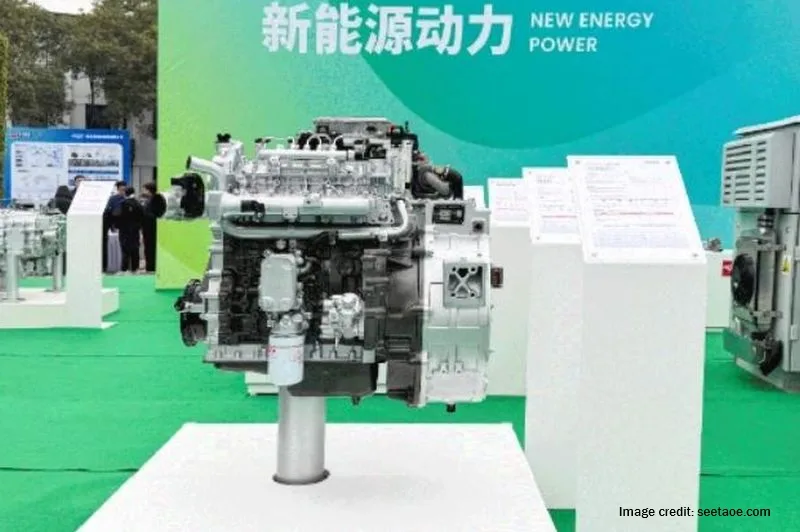
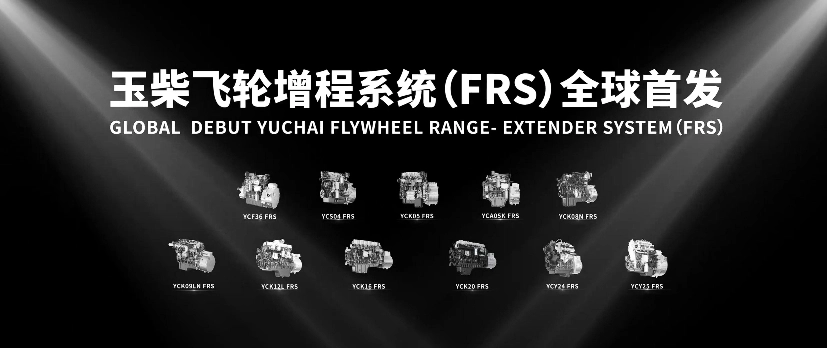
The Guangxi state-owned company unveiled the Yuchai Flywheel Range Extender System (FRS) at its 2026 Global Partners Conference on Jan 24.
According to Chinese tech outlet IT Home, Yuchai claims it’s ditched the usual “engine plus separate motor” setup for something more integrated.
What’s different here
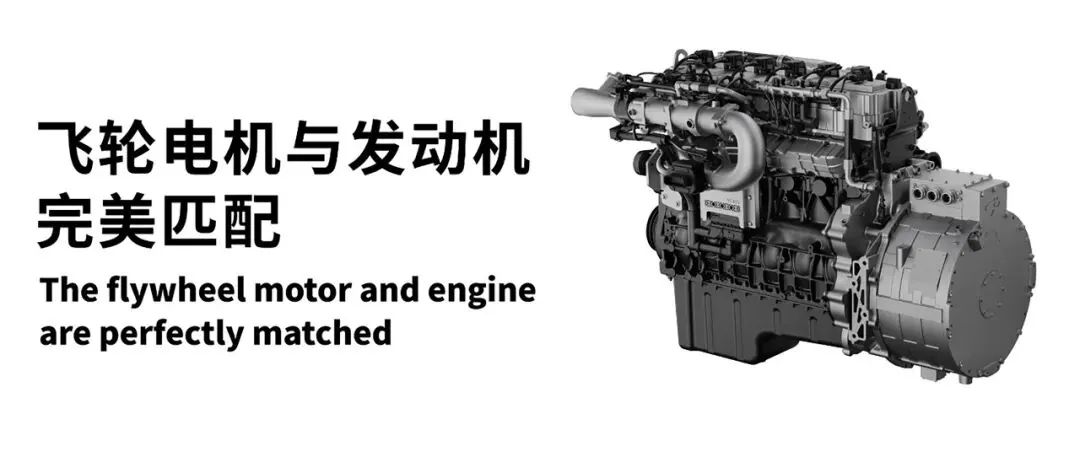
Instead of bolting an engine to a generator as separate units, Yuchai said it’s mounting the flywheel directly onto the engine crankshaft in a rigid, coaxial design. Think of it as fusing the power source and generator into one physical assembly rather than two components that happen to work together.
The result is: simpler design, better efficiency, more reliability. Yuchai even claimed the core unit won’t need scheduled maintenance over its lifetime, though the company hasn’t spelled out what “lifetime” means in practice or what the warranty actually covers.
On paper, the numbers look impressive. Yuchai’s diesel version supposedly hits peak generation efficiency above 4.8kWh per litre and cuts fuel consumption by up to 50% versus conventional range-extender setups.
The company also said operating costs can beat pure battery-electric in some scenarios—but hasn’t shared the math behind that claim.
It’s all about commercial vehicles (for now)
The FRS lineup spans 15kW to 600kW, targeting long-haul trucks, city buses, mining vehicles, port equipment, and large agricultural machinery.
Yuchai said it already dominates China’s “new energy loader” market with over 96% share and has strong positions in mining trucks and harvesting equipment.
The initial products have been picked up by major players including FAW Jiefang, Dongfeng, XCMG, Sany, and Caterpillar.
Why this matters beyond trucks
Yuchai built its reputation on diesel and gas engines for commercial and industrial applications.
But China’s passenger car market has gone all-in on extended-range EVs (EREVs), with brands like Li Auto, Aito, and Voyah proving there’s huge demand for range-extender tech that eliminates charging anxiety.
If Yuchai’s efficiency gains hold up in real-world commercial use, that integrated flywheel architecture could become attractive to passenger carmakers hunting for an edge in China’s cutthroat EREV segment.
The company already supplies Dongfeng and BAIC, and has a joint venture with Rolls-Royce Power Systems, so the industry connections are there.
What to watch
A few things need clarifying as this rolls out.
“Flywheel range-extender” isn’t standard industry jargon, so it’s unclear whether this is really novel engineering or marketing spin on incremental improvements.
Those efficiency numbers, especially the 4.8kWh/L claim, need independent verification once these systems rack up real commercial mileage.
There’s also the question of whether heavy-duty commercial vehicle design translates to passenger cars.
Weight, cost, and packaging constraints are completely different, and most passenger range-extenders run on petrol, not diesel.
Still, in a market where every percentage point of efficiency can mean kilometres of extra range and lower operating costs, Yuchai’s approach is worth tracking. Even if passenger car applications remain speculative for now.