


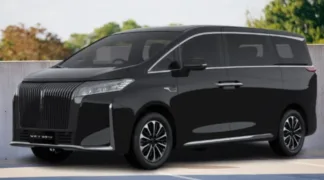
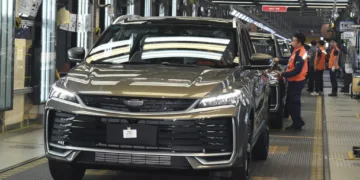



BYD finishes 2025 as the world’s biggest seller of battery-electric vehicles, edging past Tesla after a year in which the US carmaker’s deliveries slip again and China’s largest EV group keeps expanding its volume base.
BYD reported 2,256,714 sales of “pure electric” vehicles for the year, up 27.9%.
The tally put it ahead of Tesla, which delivers about 1.64 million vehicles in 2025, roughly 9% fewer than in 2024 and its second annual fall in a row.
The gap opened most visibly at the end of the year.
Tesla recorded 418,227 deliveries in the fourth quarter, short of analyst expectations clustered in the mid-440,000 range, based on FactSet consensus figures.
The miss landed after forecasts had already been revised down, leaving Tesla with limited room for a surprise on volume.

US policy also shifted against the market. The US$7,500 federal EV tax credit ending after September 2025 likely pulled some purchases forward before creating a quieter patch that followed, at least in the near term. For Tesla, a demand dip is harder to offset as more rivals competed directly on price, features and fresh model cycles.
Tesla’s softer performance is also attributed to reputational drag around chief executive Elon Musk. A consumer backlash narrative in parts of the US and Europe was triggered, tied to Musk’s increasingly polarising political profile and his brief role leading the Trump administration’s “Department of Government Efficiency”, which he later left in May.
For BYD, the battery-electric lead is part of a broader electrified push. Its total “new energy vehicle” sales, which included plug-in hybrids, reached about 4.6 million units in 2025.
The company did not provide a breakdown between overseas and domestic deliveries, but the narrative points to a stronger export and international production focus.
That wider trend is gaining attention. UBS projections suggest Chinese EV players could command about a third of the global car market by 2030, supported by manufacturing expansion in locations such as Thailand, Brazil and Hungary.
Despite the delivery slide, Tesla retains a valuation story that goes beyond cars.
Investors remain focused on Tesla’s robotaxi and humanoid robotics bets, while cheaper Model Y and Model 3 variants are meant to bring volume back in price-sensitive markets.
Whether that will be enough is unclear. For now, BYD ended 2025 on top in battery-electric sales.