








The automotive industry’s AI gold rush is heading for a crash.
That’s the dire warning from research firm Gartner, which predicts that by 2029, only 5% of automakers will still be aggressively investing in artificial intelligence.
Today? More than 95% are pouring money in. The cliff is coming, Gartner says, because too many companies are chasing moonshots without laying the groundwork first.
Strong base the key
“The automotive sector is currently experiencing a period of AI euphoria, where many companies want to achieve disruptive value even before building strong AI foundations,” said Pedro Pacheco, VP Analyst at Gartner.
“This euphoria will eventually turn into disappointment as these organisations are not able to achieve the ambitious goals they set for AI.”
It’s a reality check for an industry drunk on AI hype. Legacy automakers are trying. They really are. But according to Pacheco, who spoke to Reuters, many are sabotaging themselves with “internal obstacles and outdated mindsets.”
What does success look like? Becoming a “digital-first” organisation means more than just hiring software engineers. It means tech leaders reporting directly to the CEO. It means killing bureaucratic roadblocks. It means treating software as mission-critical, not a support function.
“A company that is not great at software … is going inevitably to struggle,” Pacheco told Reuters. Simple as that.
Gartner expects only a select few automakers — those with tech-savvy leadership, genuine software muscle, and patience for the long game —will pull ahead.
The rest will fall behind, creating what could be a brutal new divide in the market.
Factory floor next
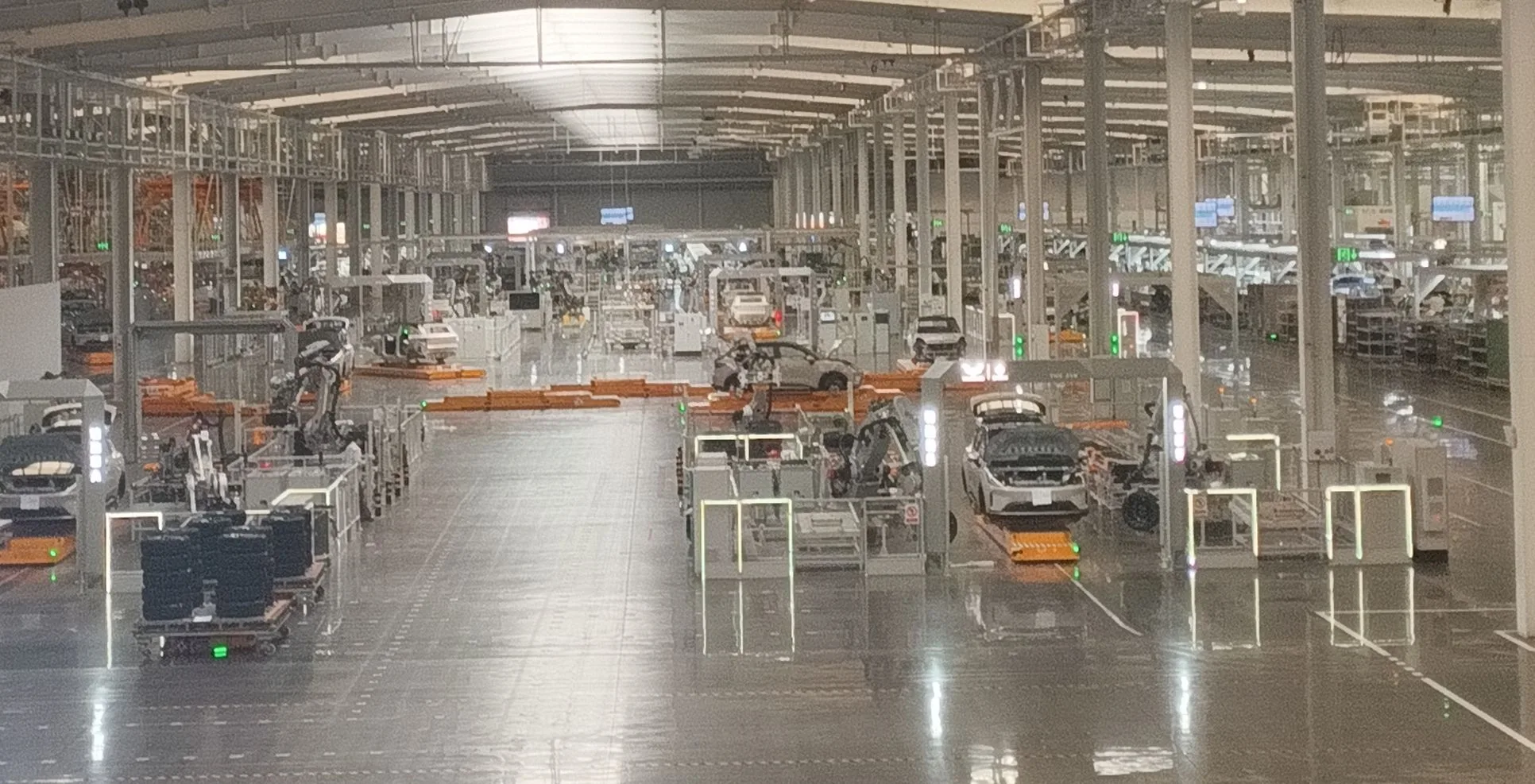
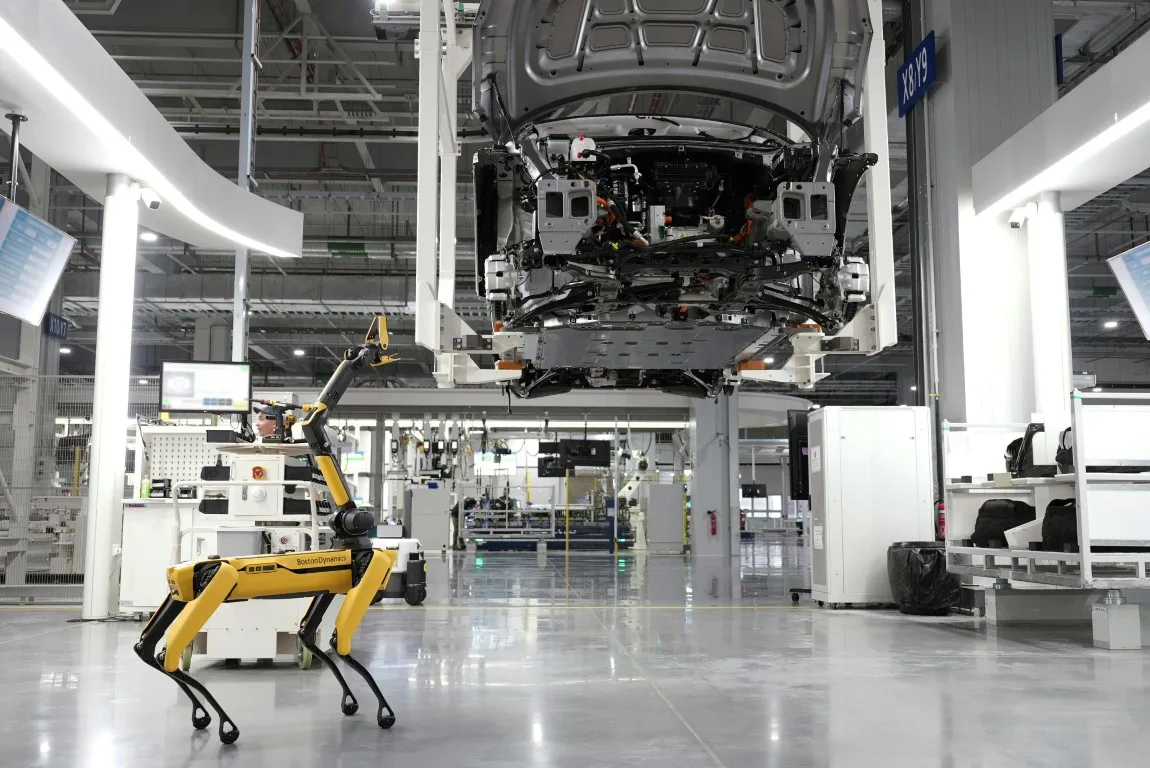
While boardrooms wrestle with AI strategy, another revolution is brewing on assembly lines. Gartner predicts at least one major automaker will achieve fully automated vehicle assembly by 2030. Not partially automated. Fully.
“The race towards full automation is accelerating, with nearly half of the world’s top automakers (12 out of 25) already piloting advanced robotics in their factories,” said Gartner VP Analyst Marco Sandrone.
Advanced robotics are spreading fast through plants worldwide. What does that mean for workers? Fewer traditional assembly jobs, certainly.
But potentially more roles in AI oversight, robotics maintenance, and software — if companies invest in reskilling. That’s a big if.
The clock is ticking. The AI euphoria that gripped automotive boardrooms won’t last forever.
And when it fades, only the companies that built real foundations will still be standing.