





Malaysia’s general insurers posted a solid first half in 2025, but the rapid rise of electric vehicles (EVs) is exposing gaps in pricing and repair readiness the industry hasn’t yet fixed.
PIAM said gross written premiums (GWP) rose 4% year on year to RM12.3 billion in H1 2025, with underwriting profit up 32%. Motor remains the backbone at 42.8% of premiums, followed by fire at 21.1% and personal accident at 6.4%. Even so, motor is still loss-making: the combined ratio improved to 102.2% from 103.4% a year earlier, but it remains above break-even. Motor GWP reached RM5.3 billion, up 5.7% from RM5.0 billion.
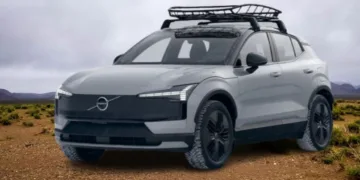
EVs now drive much of the pricing challenge. Their share of new registrations is estimated to have climbed to 7.8% from 3.6%, a figure likely to rise when Proton’s e.MAS 5 goes on sale soon.
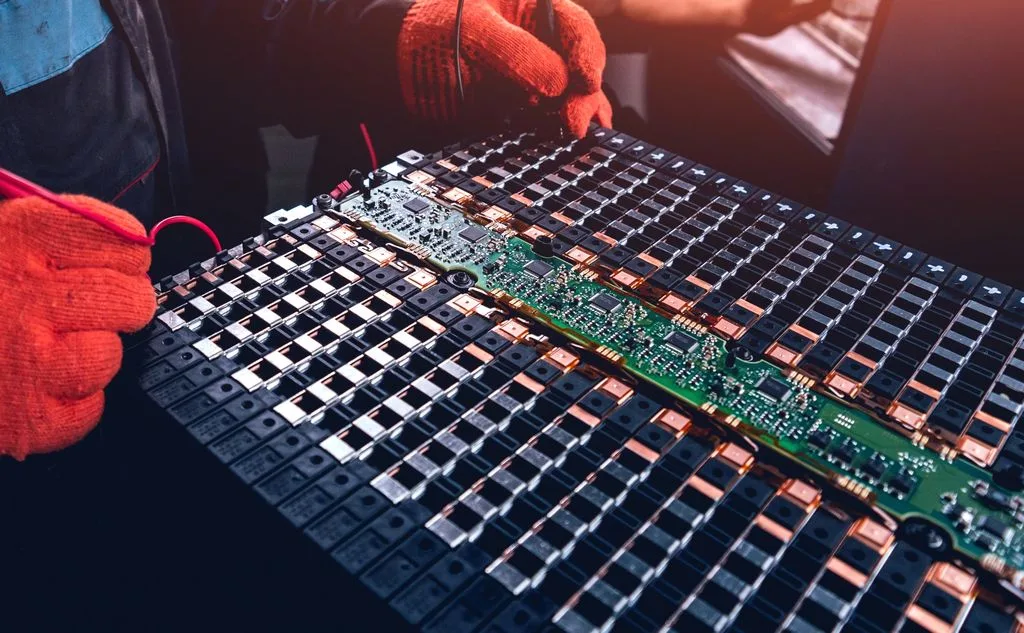
PIAM chief executive Chua Kim Soon told The Edge insurers need more real-world loss data and stronger workshop capability before premiums can be fair to consumers. Batteries are costly to repair and trained technicians are in short supply.
In addition, PIAM is checking whether independent workshops are prepared and whether Road Transport Department standards properly cover EV systems.
Chua also pointed to digital risks that don’t arise with petrol cars, such as cybersecurity and AI-related issues.
Other pressures squeeze the same balance sheet. High accident exposure and a large uninsured motorcycle population keep payouts elevated, narrowing the room to price EV cover fairly while funding workshop training and new standards.
AutoBuzz cited Chua as saying that over 50% of motorcyclists are uninsured, which complicates claims. To streamline minor incidents, an e-Police Reporting portal began on Sept 1 for PLUS and North–South highways; 114 reports were lodged by Oct 3, it reported.
All of this leaves insurers trying to back EV adoption while stemming motor losses. PIAM said work with repairers and regulators is under way to standardise safe handling and repairs, but real price changes will hinge on credible claims data and more workshops trained for EVs. For now, EV sales are outpacing insurers’ ability to adapt.