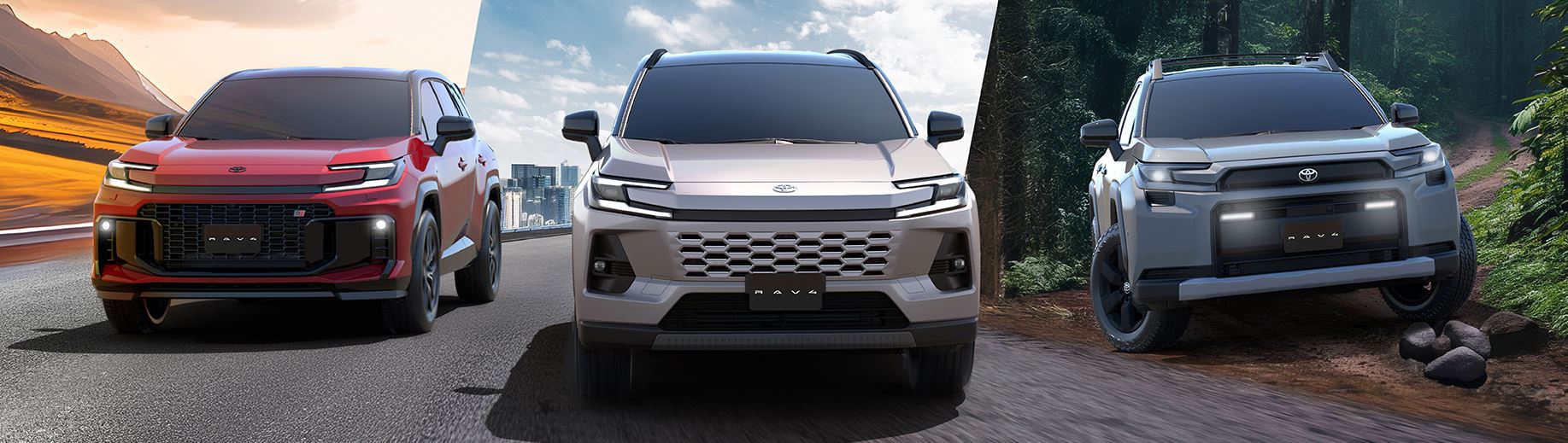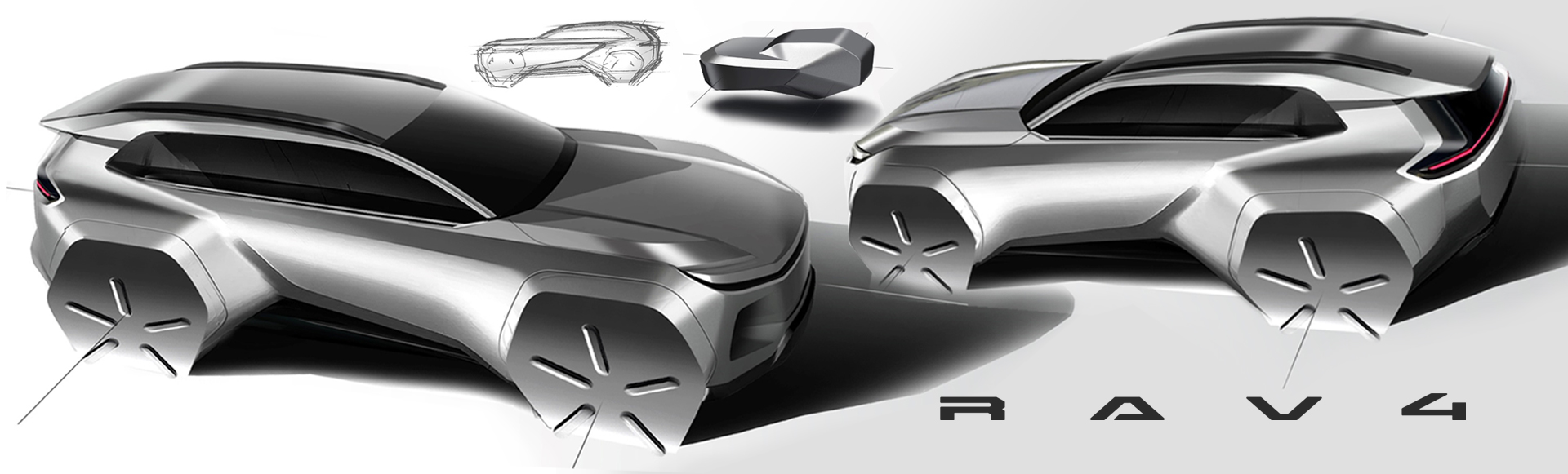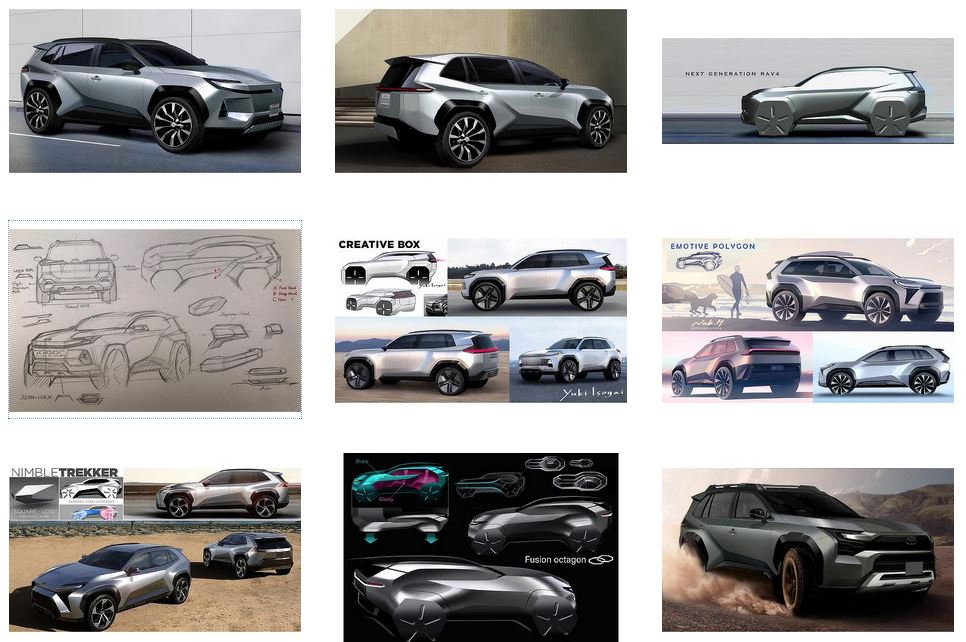








Toyota today premiered its sixth-generation RAV4 in Tokyo, with domestic sales slated by Q1 2026, followed by global roll-out across North America and Europe.
The new model marks Toyota’s first application of Arene, its in-house software development platform, aimed at accelerating the shift to software-defined vehicles and enhancing safety, security and user experience through over-the-air updates.
Under the banner “Life is an Adventure”, Toyota has refined its globally popular crossover with both hybrid electric (HEV) and plug-in hybrid (PHEV) powertrains.
The PHEV variant debuts a sixth-generation plug-in hybrid system featuring a high-capacity drive battery and a high-output charger integrated with Toyota’s latest hybrid architecture.
Front-axle silicon carbide power semiconductors reduce weight and power loss, boosting system efficiency and extending pure-electric cruising to an industry-leading 150km, up from 95km in the previous generation.
Combined range on the new RAV4 PHEV has also risen.

Japanese testing shows the vehicle can cover up to 1,350km on a single tank and full battery charge, a 50km improvement over its predecessor, delivering diesel-like long-distance capability without emissions penalties.
A newly added DC rapid-charging system replenishes the battery to 80 per cent in roughly 30 minutes when connected to at least 50kW charging stations, while a Vehicle-to-Home function enables the SUV to supply domestic power in emergency scenarios.
HEV versions benefit from upgrades to the transaxle, power control unit and battery, yielding higher motor output for more responsive acceleration and agility, particularly at start-off and low speeds.
The HEVs are offered with either a front-wheel-drive or all-wheel drive configuration, while the PHEV only comes in all-wheel drive form.
But Toyota Europe said that a front-wheel-drive (FWD) configuration is introduced to the PHEV sold there for the first time, making enhanced electrification even more accessible.
Exterior design retains the RAV4’s off-road heritage through three key elements: “Big Foot” emphasises large-diameter wheels, “Lift-up” recalls high-ground-clearance capability, and “Utility” touts versatile cargo capacity.
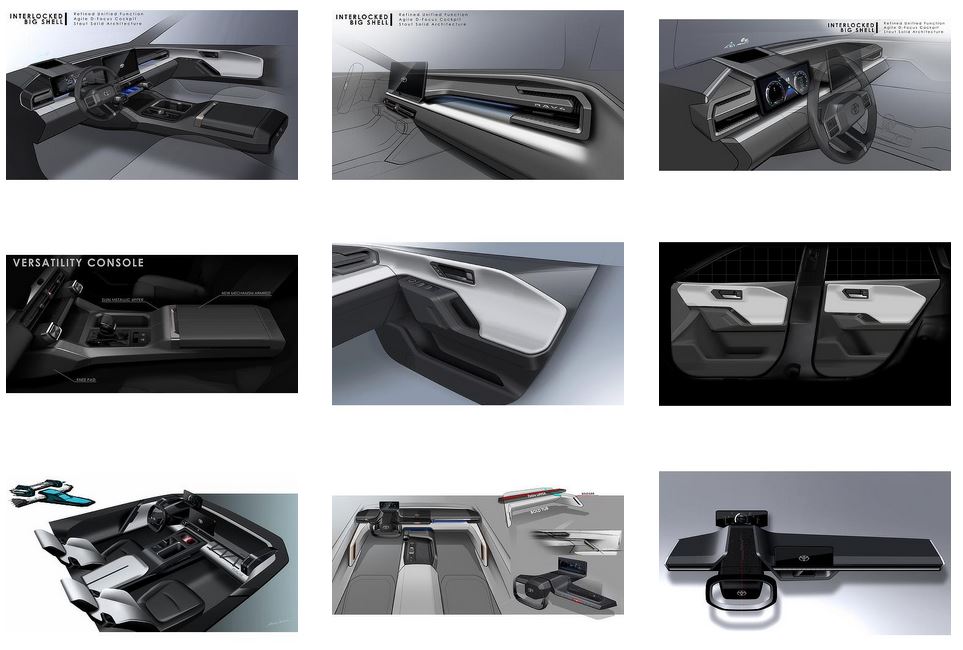
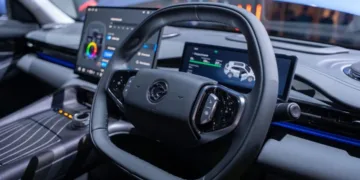
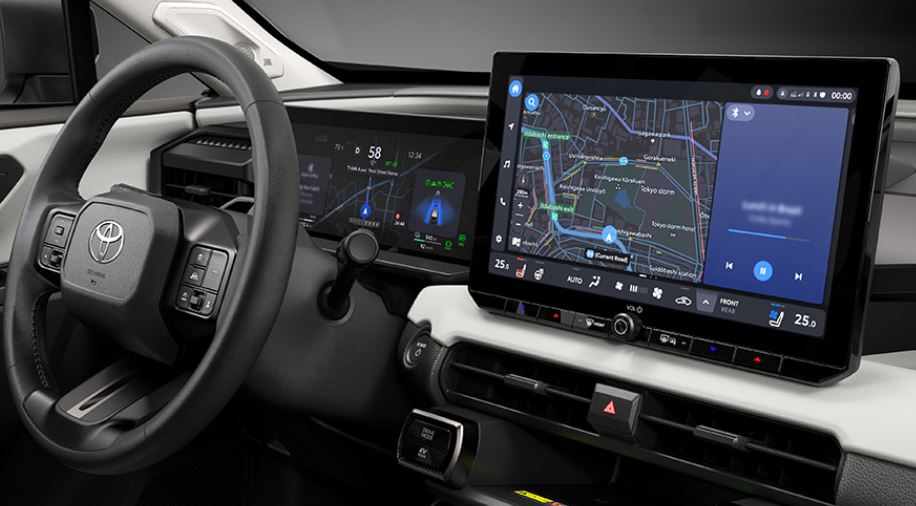
The lower instrument panel, set 40mm lower than before, enhances forward visibility, while the island-architecture interior groups displays and controls to reduce eye movement and streamline driver interaction. Boot volume increases slightly to 749 litres with rear seats folded, up from 733 litres previously.
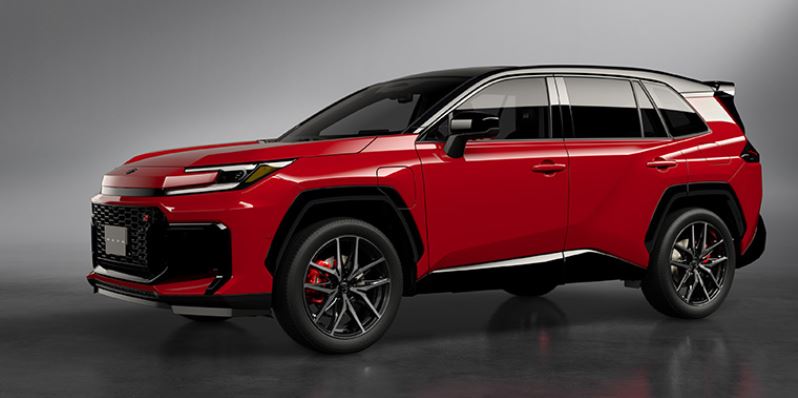
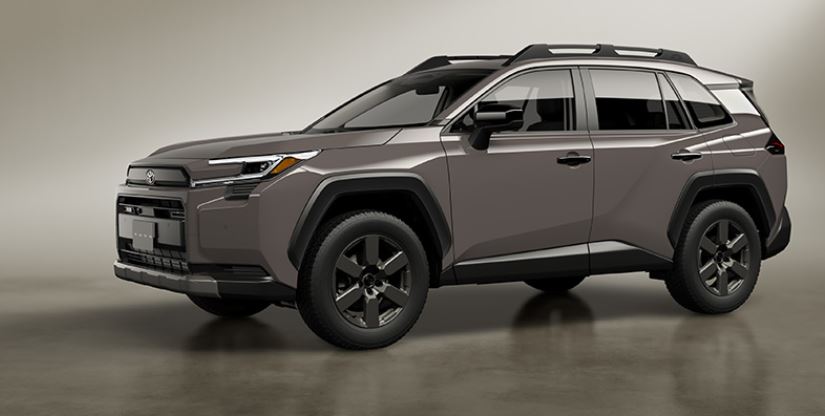
In Japan, three bespoke trims would be offered — Core, Adventure and GR Sport.
The Core model features an integrated hammerhead bumper and grille design, projecting urban refinement.
Adventure adds wheel-arch extensions and a raised nose peak for a rugged stance.
GR Sport, tuned with motorsport-inspired suspension, wider track (+20 mm) and aerodynamic aids, delivers up to 320 PS of combined output and towing capacity of 1,587kg in its plug-in guise.
Arene underpins the new-generation multimedia system, which offers a fully customisable home screen, faster voice recognition triggered by “Hi, Toyota”, and seamless smartphone integration.
Toyota Safety Sense has been enhanced with features such as an Emergency Driving Stop System that guides a vehicle to a safe roadside halt if the driver becomes incapacitated, and standardised sudden acceleration suppression to prevent unintended throttle input.
Toyota sold over one million RAV4s worldwide last year and markets the SUV in more than 180 countries and regions.
The latest model will be assembled in existing plants in Kentucky (United States), Japan and Canada, with Toyota considering additional production in the United States to mitigate import tariffs.
Across its lifecycle, Toyota plans to refine and expand the RAV4’s capabilities via software updates delivered through the Arene platform, supporting its broader ambition of achieving zero traffic fatalities through advanced vehicle intelligence.