









Hyundai Mobis has developed an AI system using sound for quality inspection, which is now implemented in its production lines.
This approach by the Hyundai Motor subsidiary leverages artificial intelligence to analyse the subtle sounds generated during product inspection to determine quality accuracy.
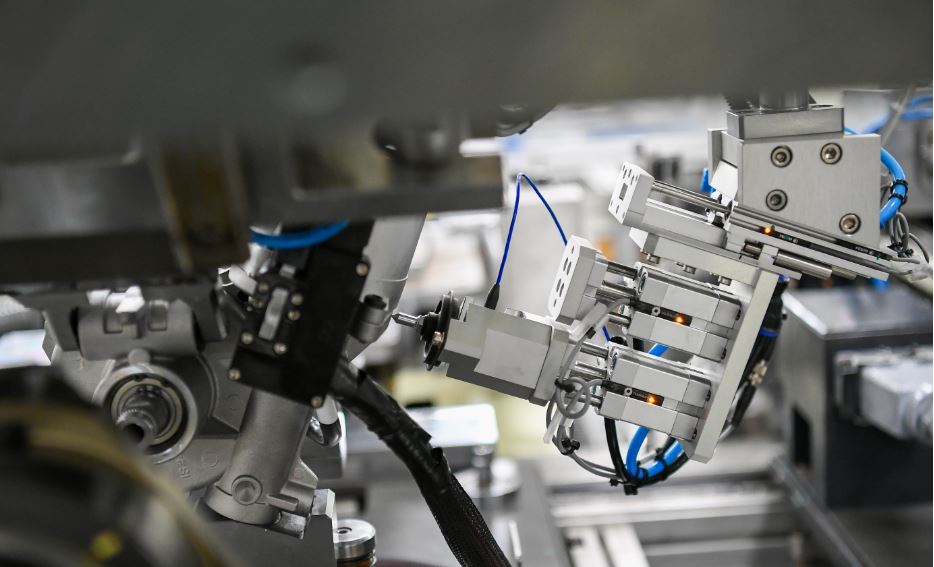
Hyundai Mobis announced on June 19 that it has recently completed a pilot implementation of an Acoustic AI-based inspection system at its Changwon plant, which produces electric power steering (EPS).
Acoustic AI represents a new generation of artificial intelligence technology, distinguished from generative AI, which relies on language for Q&A tasks. It remains relatively untested in the manufacturing industry.
The key to Acoustic AI is developing algorithms that assign meaning to specific sounds and facilitate appropriate judgments. Hyundai Mobis has invested significant effort in developing various AI-based technologies over the past few years, now showcasing production technologies specialised in quality control.
Hyundai Mobis plans to extend the Acoustic AI inspection system from the Changwon plant to other component production lines, prioritising parts like braking systems that inherently generate noise due to their operational nature.
While generative AI emphasises versatility for general users, Acoustic AI is designed for industrial applications, especially smart factories. Its primary advantage is processing large volumes of tasks in a short time. The inspection system at the Changwon plant can detect defective products at a rate of one unit per second.
The Changwon plant produces 1.3 million units of EPS annually. The production process includes 23 stages, from component assembly to vibration and noise inspection.
Since EPS directly impacts steering performance and safety through the steering wheel, meticulous quality checks are essential. Noise inspections are conducted by connecting actual power to the EPS. The sound generated by the rotating motor creates a consistent waveform, which the AI analyses to identify deviations or anomalies.
Previously, suspect defective products below a certain threshold were initially filtered by an automated system after assembly, followed by manual reevaluation by specialised personnel.