



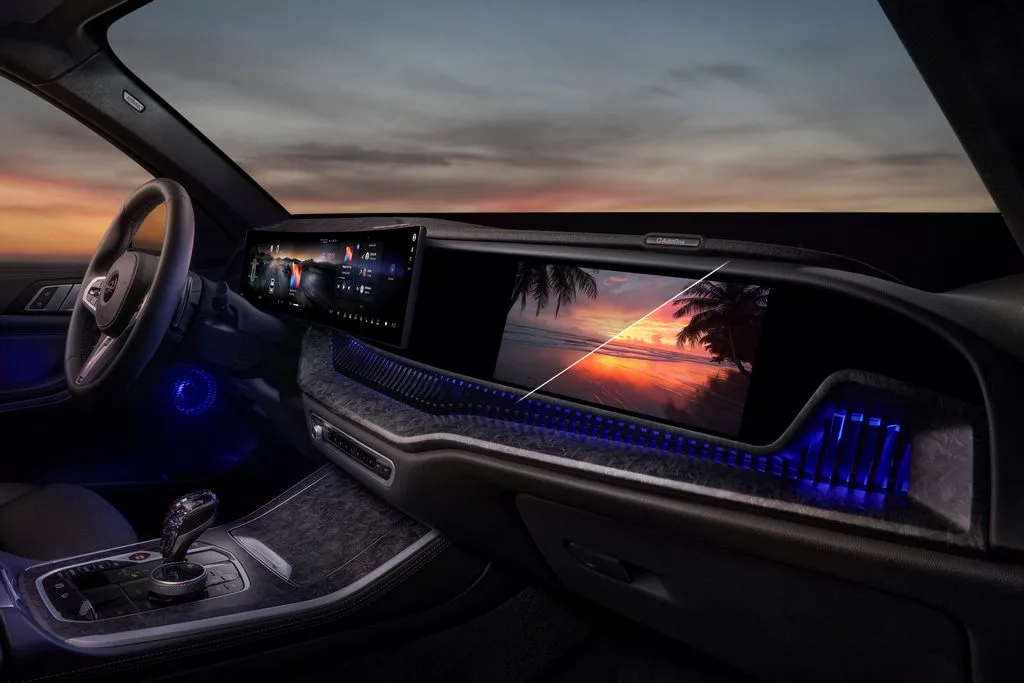
Harman has become the first company to secure HDR10+ Automotive certification for an in-car display, setting a new benchmark for cabin visuals as vehicles evolve into digital hubs.
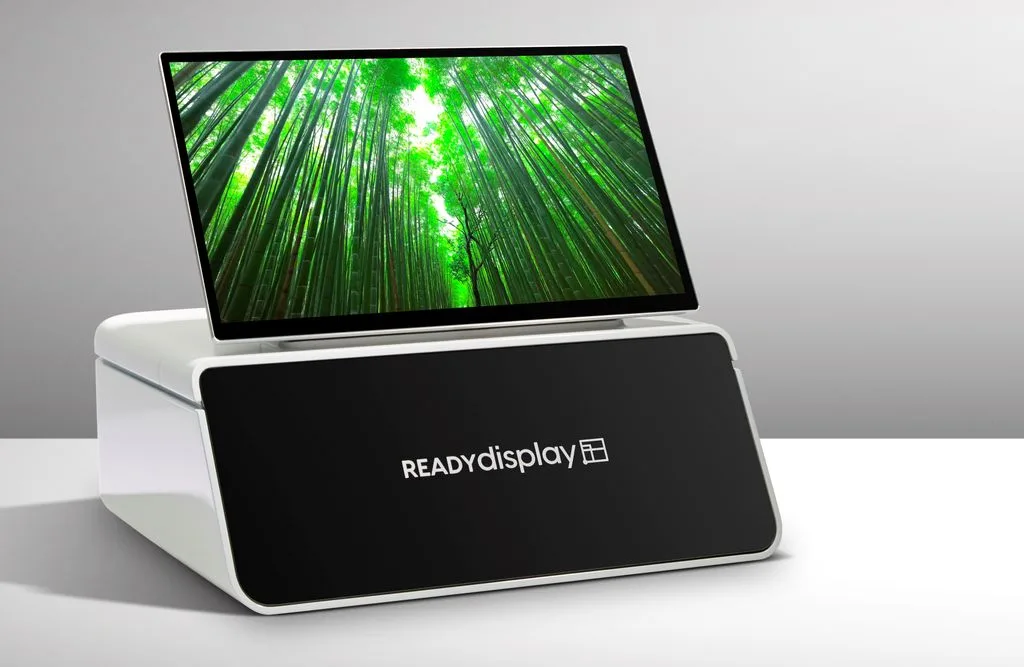
The Samsung Electronics subsidiary said its Ready Display range meets the standard defined by HDR10+ Technologies LLC, promising cinema-grade brightness, contrast and colour accuracy that hold up under the shifting light of a car interior.
Developed with input from Samsung and Panasonic, the HDR10+ Automotive specification lays out how high dynamic range content should be presented inside vehicles.
The certification tests address multiple checkpoints, including consistent luminance, contrast fidelity, colour accuracy and wide viewing angles. It also validates HDR10+ Adaptive, which adjusts picture settings in real time to ambient conditions, aiming to preserve detail whether the cabin is flooded by midday sun or lit by city streets at night.
“We’ve long envisioned bringing the living room experience into the car,” said Shilpa Dely, Vice President and Ready Display Business Lead, Harman International.
“Earning the world’s first HDR10+ Automotive certification is how we’re delivering on that commitment.”
Harman’s Ready Display line is powered by Samsung’s Neo QLED technology and is designed to manage rapid changes in light and shade common to driving. The portfolio spans NQ3, NQ5 and NQ7 series models, each using intelligent image algorithms to optimise contrast, brightness and colour in real time.
The company said the result is lifelike depth and detail that remain stable regardless of where passengers sit or how the light shifts during a journey.
For carmakers, the certification provides a recognised route to differentiate new cabins with premium, standards-based visuals while reducing integration risk.
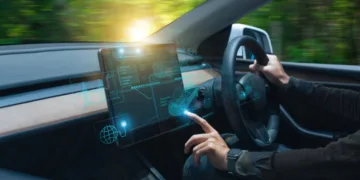
For drivers and passengers, the practical gains include clearer navigation graphics, richer entertainment when parked or charging, and back-seat screens that remain legible without manual tweaking.
Harman said the same adaptive capabilities could support safety and usability by keeping critical display information readable across glare, shade and night-time conditions.
Harman positions the milestone as part of a broader push to align in-vehicle screens with the quality consumers expect at home.
By combining certified HDR performance with over-the-air update support via modern infotainment platforms, the company said automakers could deliver a consistently high visual experience over a vehicle’s life, from showroom to daily use.