

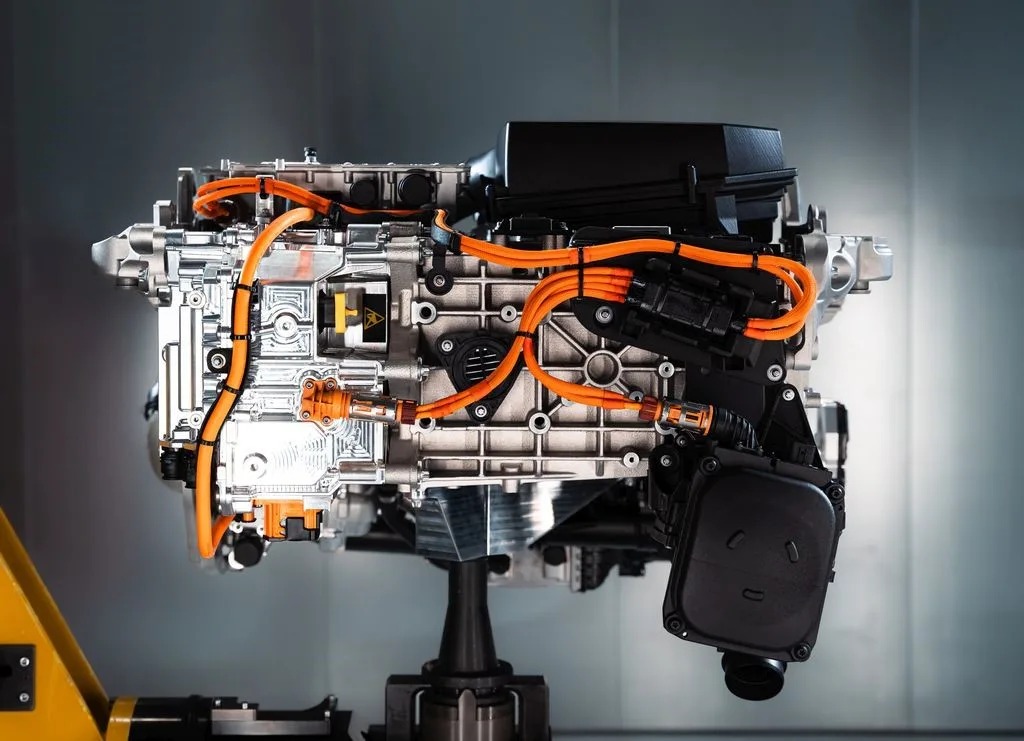
BMW Group will begin series production of its third-generation hydrogen fuel-cell systems at Plant Steyr in 2028, expanding its zero-emissions powertrain portfolio alongside battery-electric and combustion technologies.
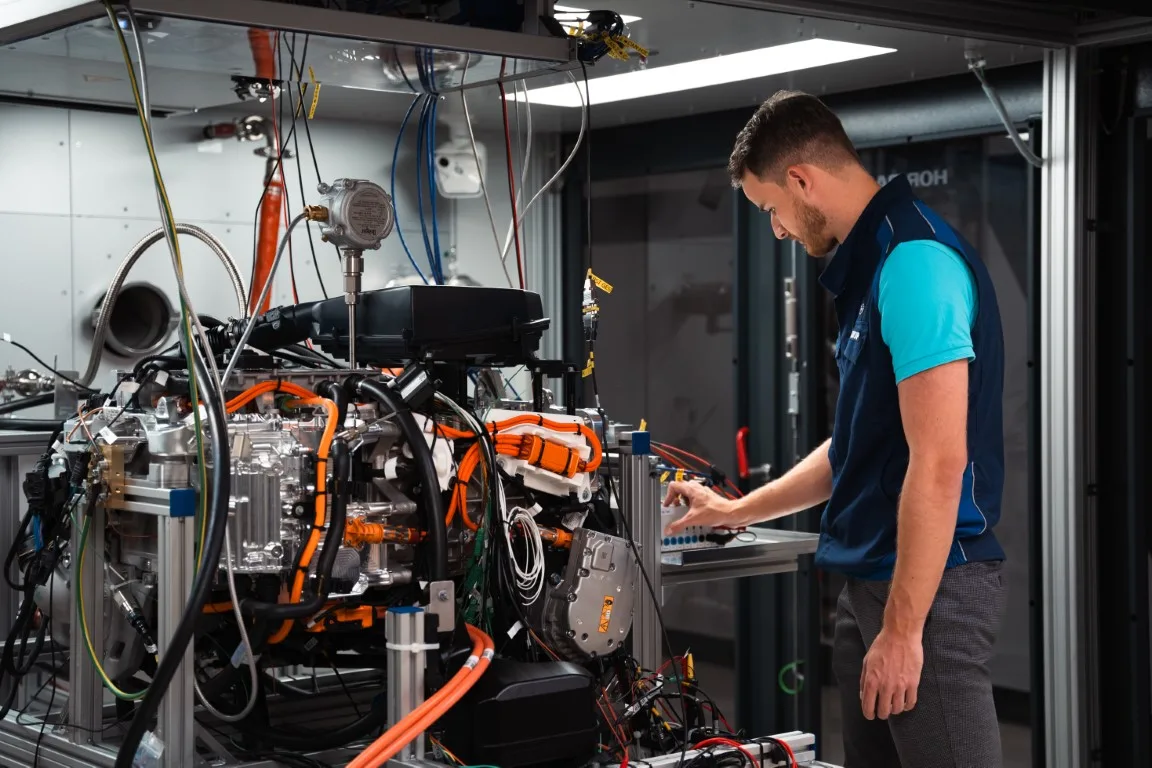
Prototype builds are already under way at BMW competence centres in Munich and Steyr, with additional components sourced from the technology hub in Landshut.
The new system evolves the approach used in the iX5 Hydrogen pilot fleet.
While Toyota supplied the complete stack for BMW’s first fuel-cell project in 2014 and individual cells for the second generation, the third-generation programme is a deeper BMW–Toyota collaboration that targets both passenger and commercial applications.
BMW said the latest stack is about 25% more compact than before, delivers higher power density and integrates more easily into future vehicle architectures.
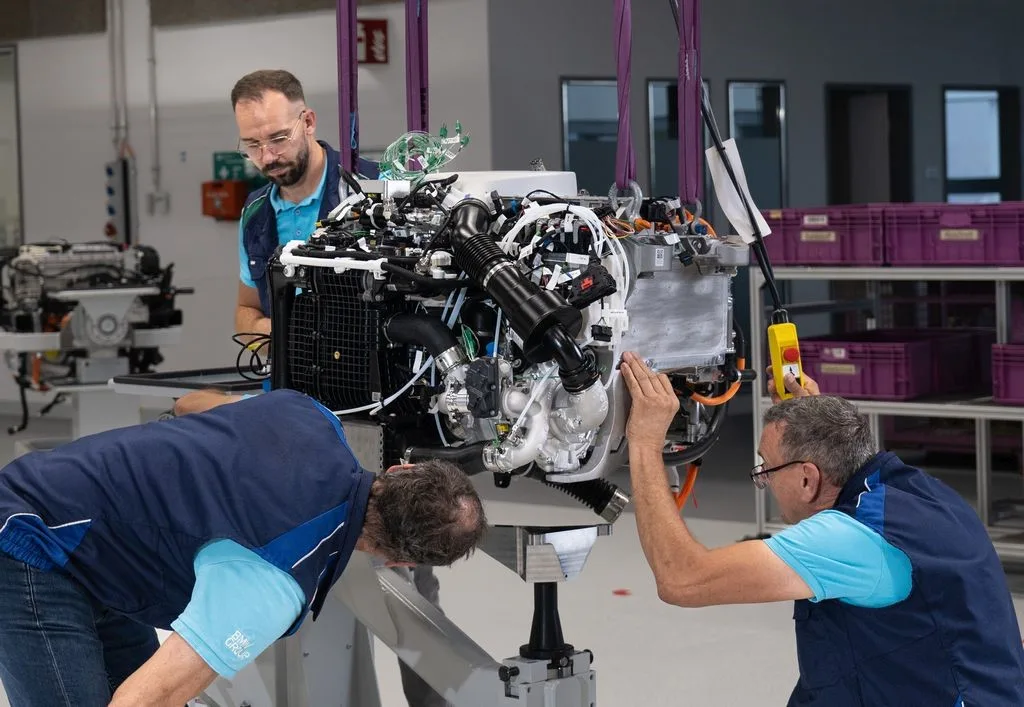
Upgraded components and refined operating strategies are intended to improve efficiency, extend range and raise output over the current setup.
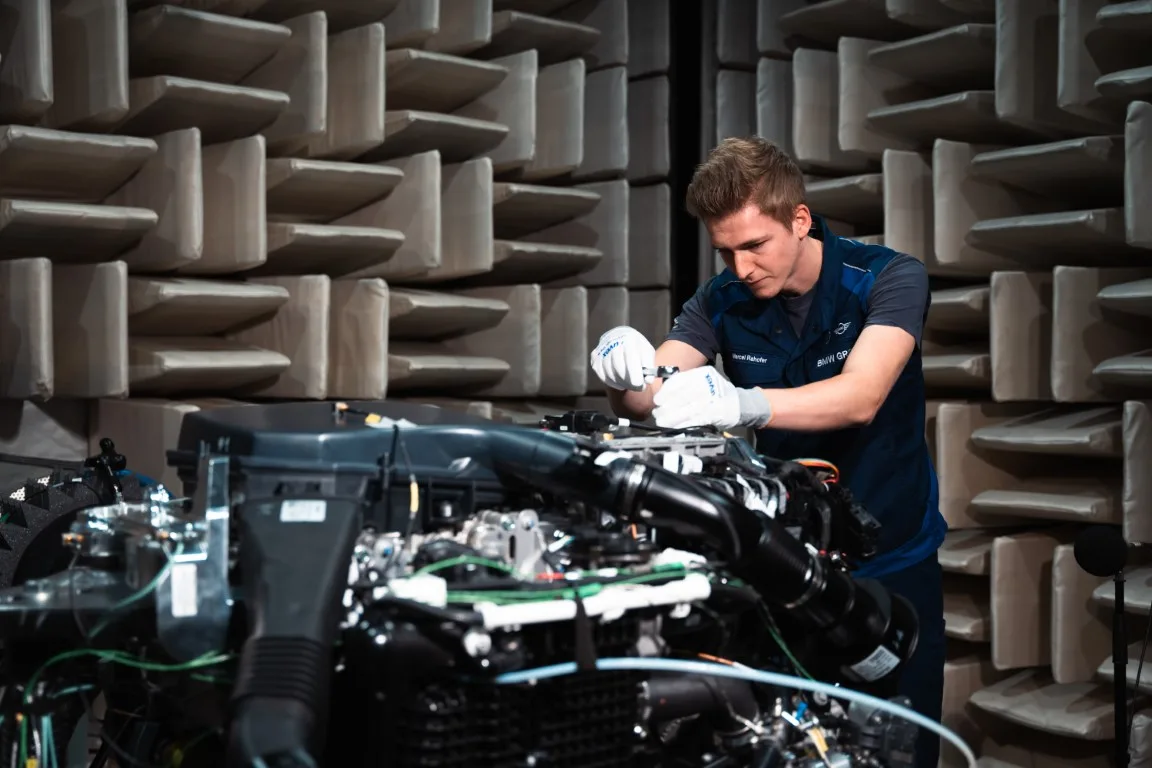
Prototypes produced in Munich are being used to validate assembly, testing and operating strategies at system and vehicle level.
The full system encompasses the fuel-cell stack, thermal management, hydrogen and air subsystems, and control electronics, with development focused on industrialisation, quality assurance and long-term scalability.
Plant Steyr is preparing new test rigs and production facilities to accommodate the technology. “Producing another innovative drive technology alongside the latest electric motors and combustion engines underscores our technology-open approach,” said Klaus von Moltke, who heads engine production and directs the site.
Plant Landshut will manufacture key hardware, including the hydrogen-specific BMW Energy Master, which manages vehicle power distribution across 400–800V and serves as the interface to the high-voltage battery.
Construction of series-production equipment for the Energy Master begins in late May 2026, with prototype units scheduled for mid-2026 at Plant Dingolfing.
Landshut will also produce the housing and pressure plate, as it did for the iX5 Hydrogen.
BMW calls the Steyr decision a commitment to a European innovation footprint and a further step in readying hydrogen powertrains for mainstream production.