

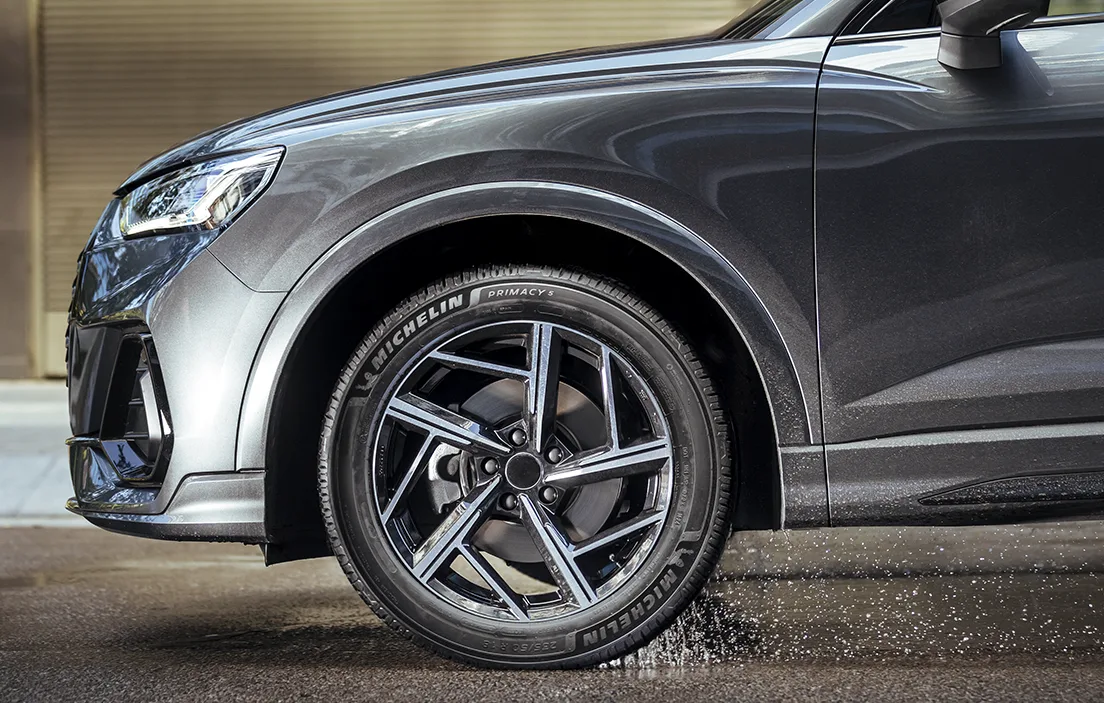
A new ADAC study of 160 tyre models shows Michelin tyres emit 26% fewer particles than the premium-tyre average.
The findings, published in May 2025 by the German automobile association, echo a 2021 ADAC report that recorded a 28% reduction versus premium peers. Michelin’s nearest competitor emitted 20% more particles per kilometre driven and per metric ton of transport than Michelin.
Road transport in Europe produces about 500,000 tonnes of tyre and road-wear particles annually.
The Euro 7 standard, enacted in July 2024, mandates measurement of global wear-particle emissions for all tyres sold in Europe; non-compliant products will be banned.
Michelin aims to leverage its particle-reduction innovations first in Europe before extending improvements to all its markets.

Michelin managing director for Malaysia, Singapore and Brunei Florentin Odenwald said the company aims to reduce environmental impact through what it terms “tyreless innovation” without compromising safety or performance.
Michelin has spent more than 20 years studying and mitigating tyre abrasion — the friction-driven wear between rubber and road — and reduced tyre-wear emissions by 5% between 2015 and 2020, equating to 100,000 tonnes of particles saved.
In 2024, Michelin invested €786 million (RM3.9bil) in research and development to deepen understanding of abrasion and optimise raw-material use.
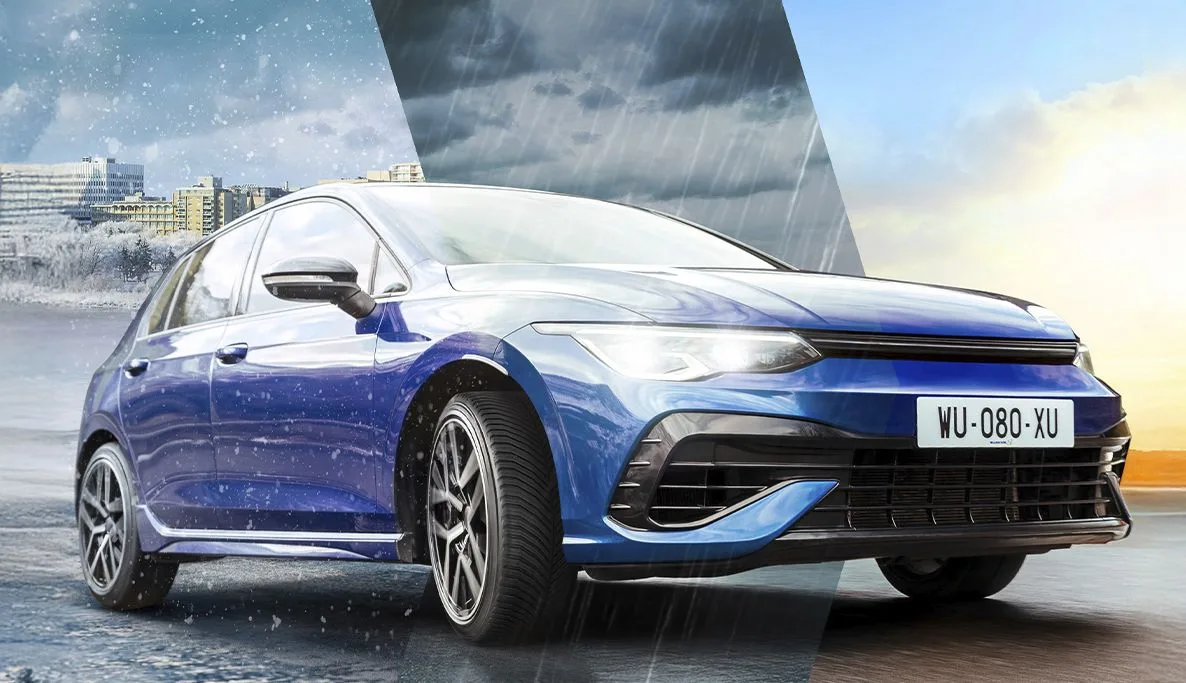
Product improvements include the Michelin Primacy 5, which cuts particle emissions by 14% compared with the Primacy 4+, and the Michelin CrossClimate 3 Sport — a summer tyre with 3PMSF winter approval — that emits 23% fewer particles than the Pilot Sport 5 in its category.
To tackle the environmental fate of wear particles, Michelinset up the BioDLab in late 2023 in partnership with the French National Centre for Scientific Research and the University of Clermont Auvergne.
The laboratory’s goal is to investigate the biodeterioration of tyre particles and develop tools to facilitate their assimilation by the environment.