




Electric vehicle (EV) ownership is on the rise in Malaysia and that presents a unique problem. How to deal with depleted batteries years later?
If authorities do not do anything about setting up a robust recycling system for the 900,000 depleted lithium-ion batteries that are expected by 2050,, the risk of irresponsible disposal of such batteries is high, said stakeholders.
Electric Vehicle Association of Malaysia president Datuk Dennis Chuah said in an interview with The Star published today that a local recycling ecosystem would reduce reliance on manufacturing new EVs and disposing of used ones — a practice he described as costly and environmentally unsustainable.
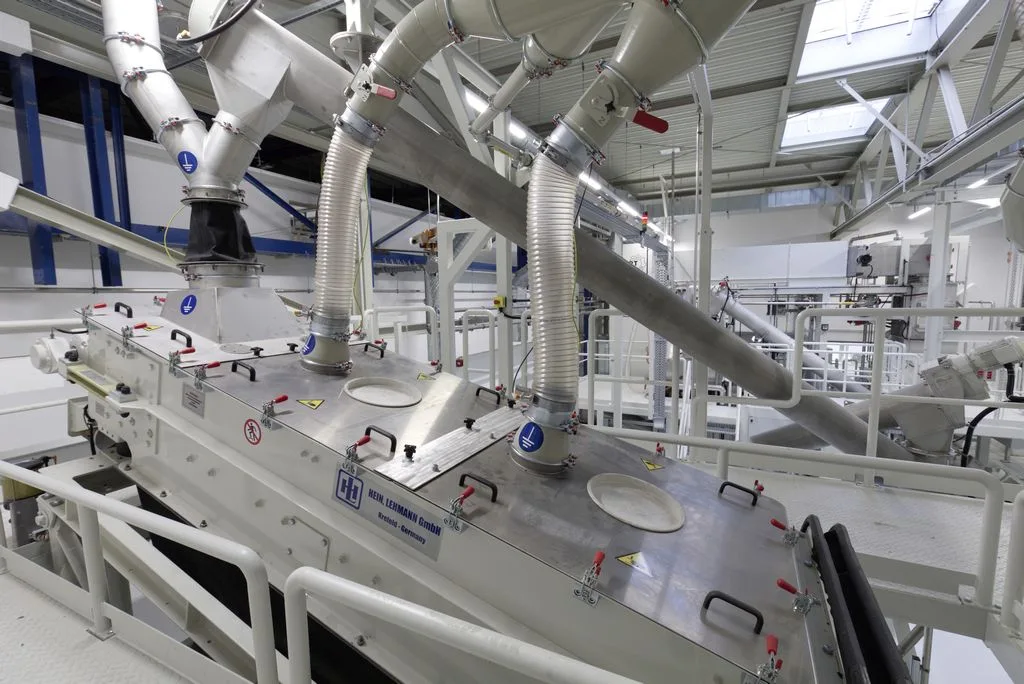
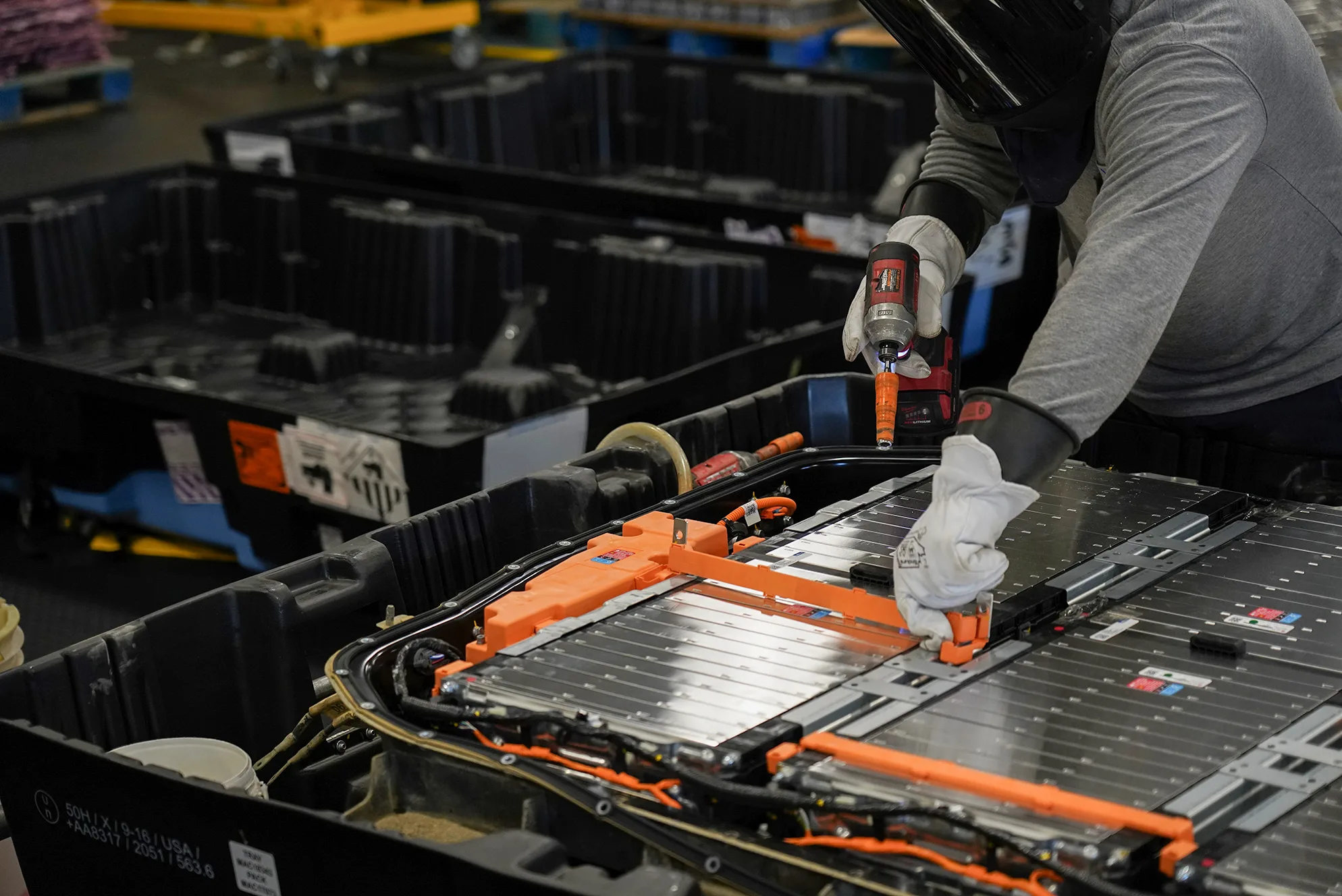
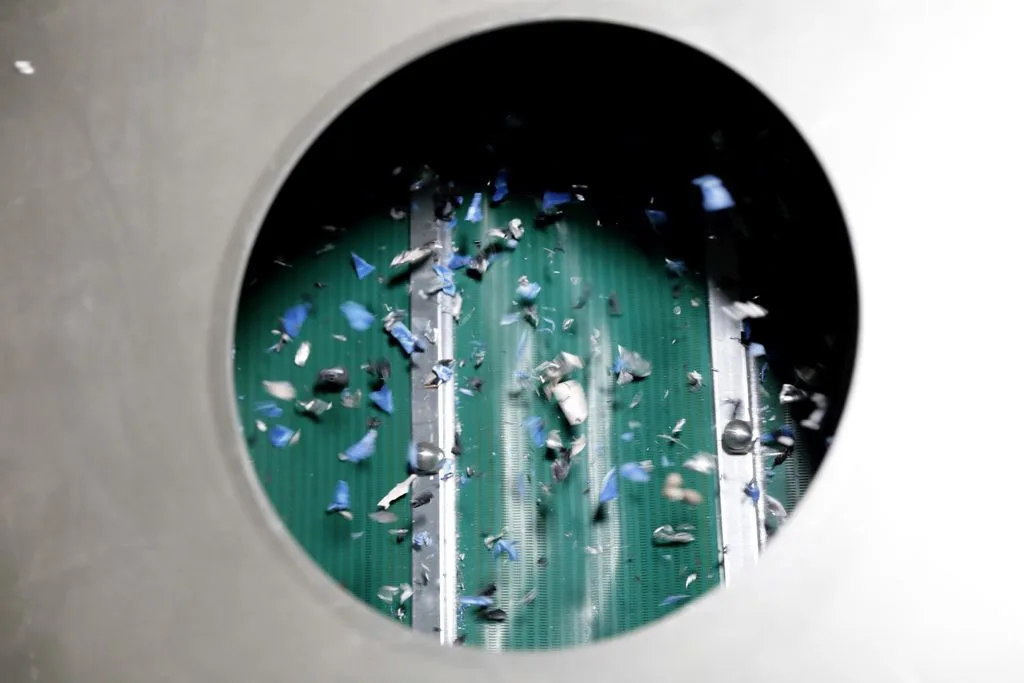
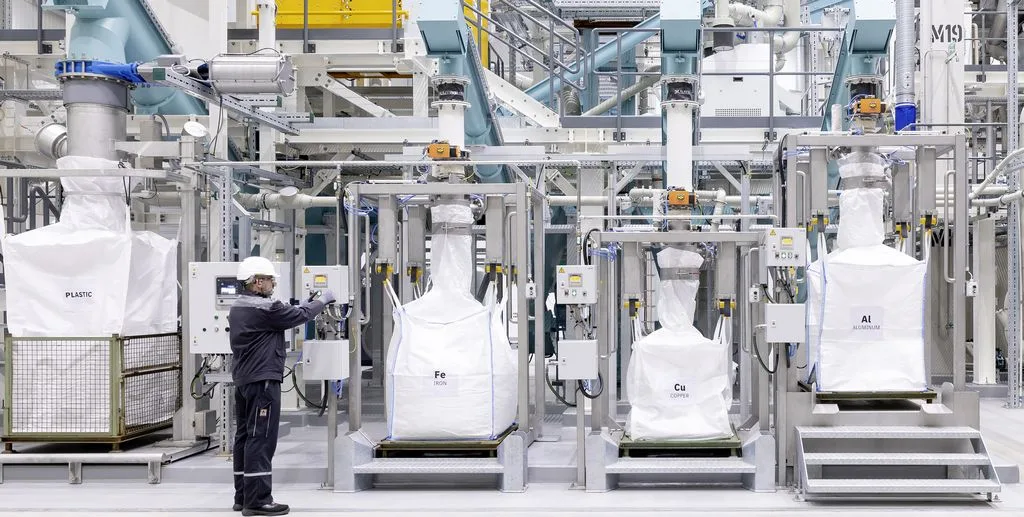
“By recycling EV batteries, we can recover valuable materials like lithium, cobalt and nickel, which can then be reused for other purposes or to make other batteries, making disposal less expensive,” he said, adding that recycling also diminishes dependence on mining and supports a circular economy.
To facilitate this, Chuah proposed a government mandate requiring manufacturers to design batteries that can be easily disassembled, alongside a second-life policy enabling spent EV batteries to be repurposed for stationary energy storage, such as stabilising the national grid during peak periods or emergencies.
He noted that achieving this would require investment in training programmes for battery recycling and repair as producers seek to extend battery lifespans beyond automotive use.
Second-life prospects and hurdles
While second-life applications for EV batteries hold theoretical promise, industry analysts caution that the practical rollout is fraught with challenges.
Retired EV batteries often retain 70%–80% of their original capacity, making them suitable for less demanding energy-storage roles. However, without a predictable flow of end-of-life batteries, second-life projects cannot scale efficiently.
In Malaysia, the absence of clear guidelines for repurposing and insufficient local capacity for testing and refurbishing used batteries hinder second-life adoption.
Extended producer responsibility
Former Natural Resources and Environmental Sustainability Minister Nik Nazmi Nik Ahmad said an extended producer responsibility (EPR) model is critical to an effective recycling ecosystem.
Under the EPR concept, automakers must establish and finance collection networks, designate urban drop-off points, and ensure that returned batteries are either repurposed or recycled.
Deposit-refund initiatives, buy-back or trade-in schemes can incentivise consumers to return spent packs rather than discarding them.
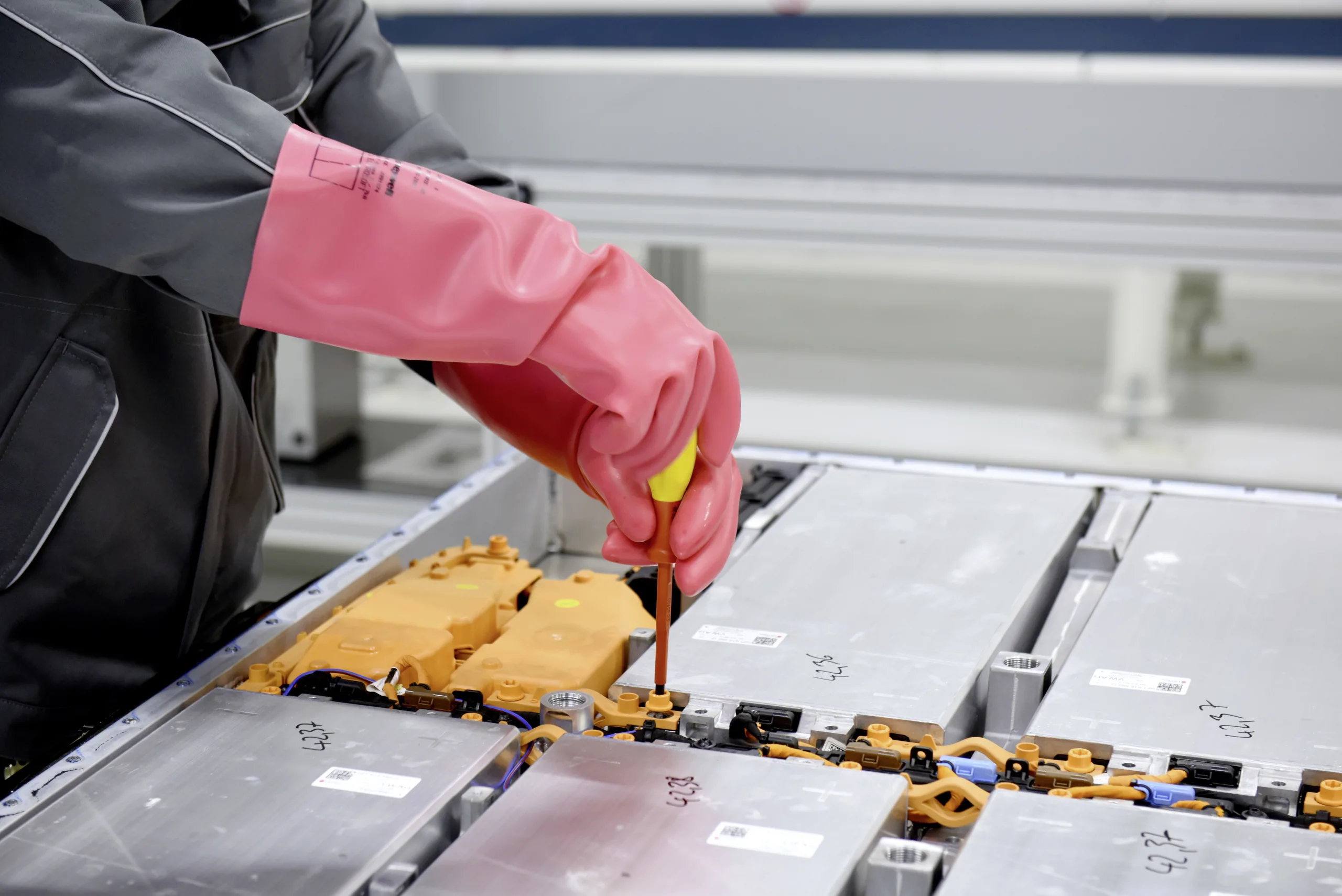
Challenges such as the lack of localised recycling facilities or unclear accountability among stakeholders could hinder the setup of a viable ecosystem, Malaysian EV Owners Club vice president Farhan Abdul Rahim told The Star.
This could lead the public to find it too difficult or pointless to recycle EV batteries — either due to inconvenience or a lack of social pressure, he added.
He urged the Government to set up a national recycling centre with mandatory compliance to international standards. Such a centralised body would facilitate tracking of each battery from production to end-of-life and provide assurance to the public.
Consumer education and infrastructure investment
Farhan stressed that consumer education on safe disposal and take-back options is indispensable for achieving high compliance rates.
“Education on safe disposal and take-back options must also be driven into the public to better ensure higher compliance,” he noted.
He also highlighted that, to support second-life applications, substantial investment in testing and refurbishment facilities is required.
Synchronising actions
Malaysia’s transition towards a sustainable EV future hinges on synchronising regulatory mandates, industry participation and consumer engagement.
Stakeholders agree that mandating disassemblable battery designs, enforcing EPR regulations, establishing a certified national recycling centre and educating the public on disposal best practices are immediate priorities.
If the Malaysian government, battery makers and users can get their act together, it would go a long way to cultivating a circular EV battery economy, reduce environmental impact and foster long-term economic benefits.