






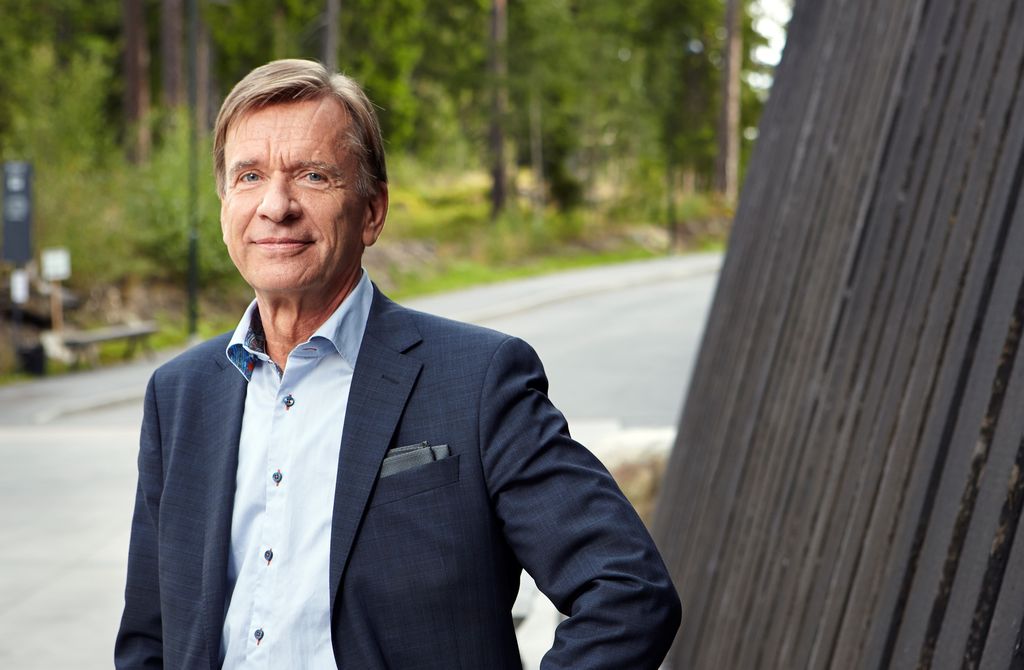
Håkan Samuelsson is back at the helm of Volvo Cars.
He will take over as chief executive officer and president, effective April 1, for a two-year term as the company prepares to identify a long-term successor.
Volvo’s board of directors said Samuelsson’s return, following his previous tenure as CEO from 2012 to 2022 and subsequent service as Polestar’s chairman until 2024, will provide the necessary stability amid a rapidly changing automotive landscape marked by technological disruption and geopolitical uncertainties.
Chairman Eric Li lauded Samuelsson’s proven record in repositioning Volvo as a premium global brand and leading its successful IPO, noting that his industrial depth, strategic clarity, and familiarity with the group make him ideally suited to guide the company through its next phase of electrification and sustainable growth.
Outgoing CEO Jim Rowan, who has been at the helm since 2022, will step down today.
The board commended Rowan for accelerating Volvo’s transformation into a software-led, connected car company, highlighting his role in strengthening the firm’s digital capabilities during a period of significant change.
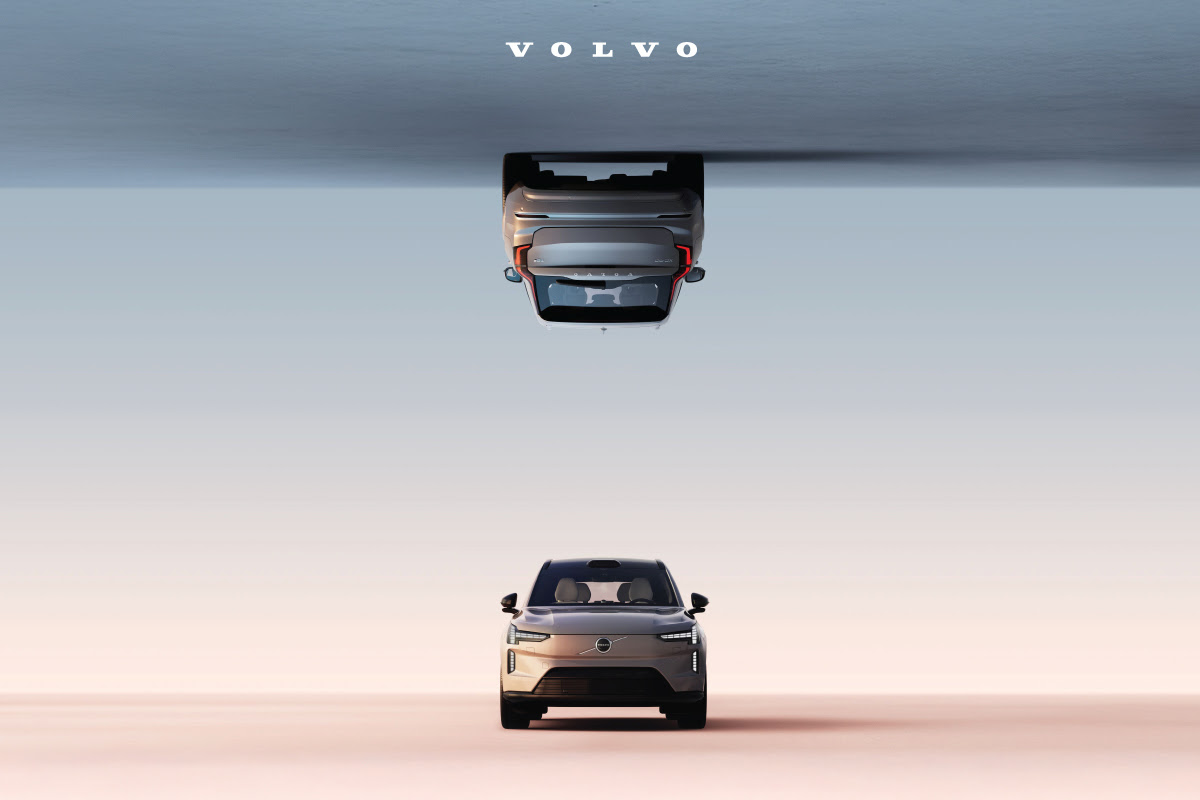
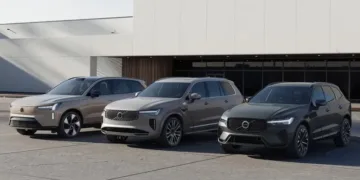
In related news, Volvo Car Malaysia has opened bookings for its latest flagship SUVs.
The automaker is now accepting orders for the fully electric, seven-seater EX90 and the refreshed XC90, its first major facelift in a decade. Retail prices for both models are expected to hover around the RM450,000 mark, with further details on trim levels and vehicle specifications to be announced at launch by mid-April.
The EX90 represents Volvo’s latest venture into electrification as its top-range SUV, featuring advanced safety technologies, a sophisticated computing architecture, and software-driven upgrades throughout ownership.
The new XC90 builds on the legacy of the brand’s first SUV, combining modern design updates with improved user interfaces that align more closely with the fully electric model.
Volvo Car Malaysia, one of the early adopters in the Asia Pacific region, expects the transition to electrified models to further boost its market share.
The company reported that its battery electric and plug-in hybrid models already accounted for more than 80 percent of its sales last year, setting the stage for a near-complete transition to electrified vehicles by the end of the decade.