





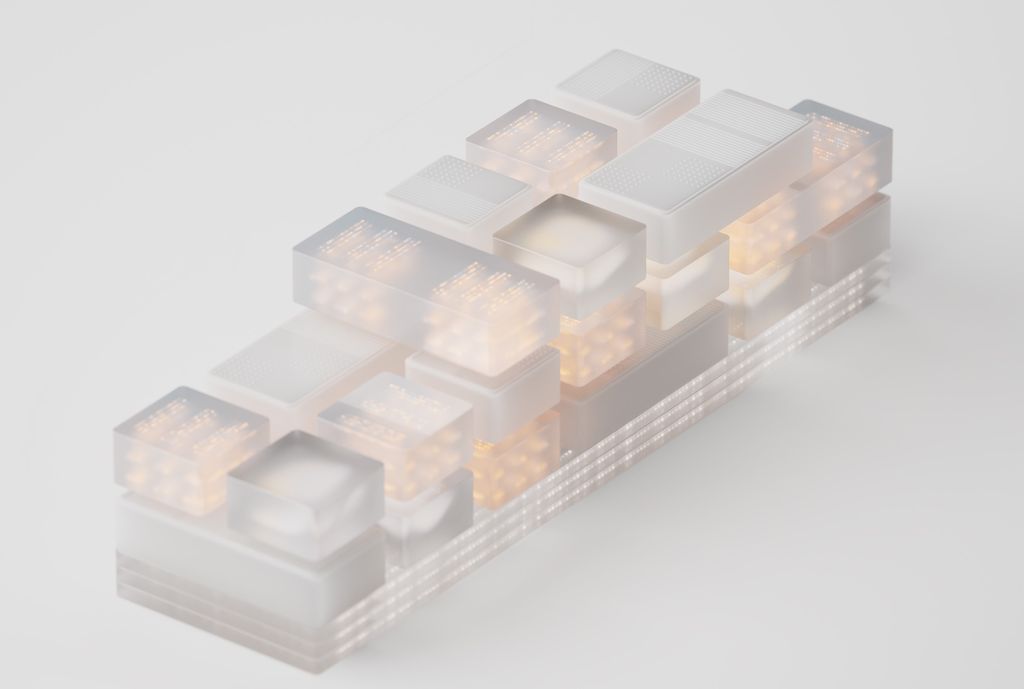
Volvo Cars announced a new technology strategy centered around the “Volvo Cars Superset tech stack” at its Capital Markets Day in Gothenburg, Sweden.
This approach will underpin future models and aims to make Volvo vehicles better over time by focusing on a unified system of software, hardware, and modules.
Starting with the EX90, Volvo’s upcoming electric vehicles will be based on the Superset tech stack—a modular, flexible system that serves as the core for all future Volvo cars.
Each new model will be a subset of this tech stack, with continuous improvements made across all vehicles.
This means advancements in one car, such as the EX90, will directly benefit future models like the ES90 and EX60.
Volvo’s chief engineering and technology officer, Anders Bell, described the Superset tech stack as a “game changer,” allowing all engineering efforts to focus on a single platform.
This approach enhances quality, speeds up time to market, and enables ongoing improvements in features and performance for all customers.

Core computing
Volvo’s strategy involves closed-loop development, leveraging real-time data, connectivity, and core computing to continuously refine and enhance vehicle performance.
This shift to core computing is considered as significant as the transition to electrification and impacts all aspects of the car’s electrical system.
This closed-loop process will allow Volvo engineers to make real-time improvements to cars, drawing on insights from data collected both in the vehicles and at Volvo’s development centers.
SPA3 platform
Volvo’s new electric technology base, the SPA3 platform, will be a key component of future models. SPA3 will support the upcoming all-electric EX60 mid-size SUV and will include enhanced core computing capabilities for improved performance and scalability.
SPA3 is an evolution of the previous SPA2 platform, designed to be more scalable, allowing Volvo to build a range of vehicles of various sizes—from models larger than the EX90 to smaller than the EX30—using the same technology base.
This modularity reduces investment costs and increases production efficiency, potentially strengthening Volvo’s future cash flow.
Lower production costs
The scalable nature of SPA3 will enable Volvo to enhance synergies in core computing, battery technology, e-motors, megacasting, and modular manufacturing, thereby reducing overall production costs.
Volvo’s Torslanda plant in Sweden is being prepared to support this new manufacturing approach, focusing on integrating all production capabilities within a single facility.
This integrated production strategy will lower complexity and increase flexibility by using common components across all vehicles built on SPA3, making Volvo’s manufacturing more efficient and cost-effective.