




BYD is tapping Sinopec’s huge service-station network to speed up the rollout of ultra-fast electric vehicle charging in China.
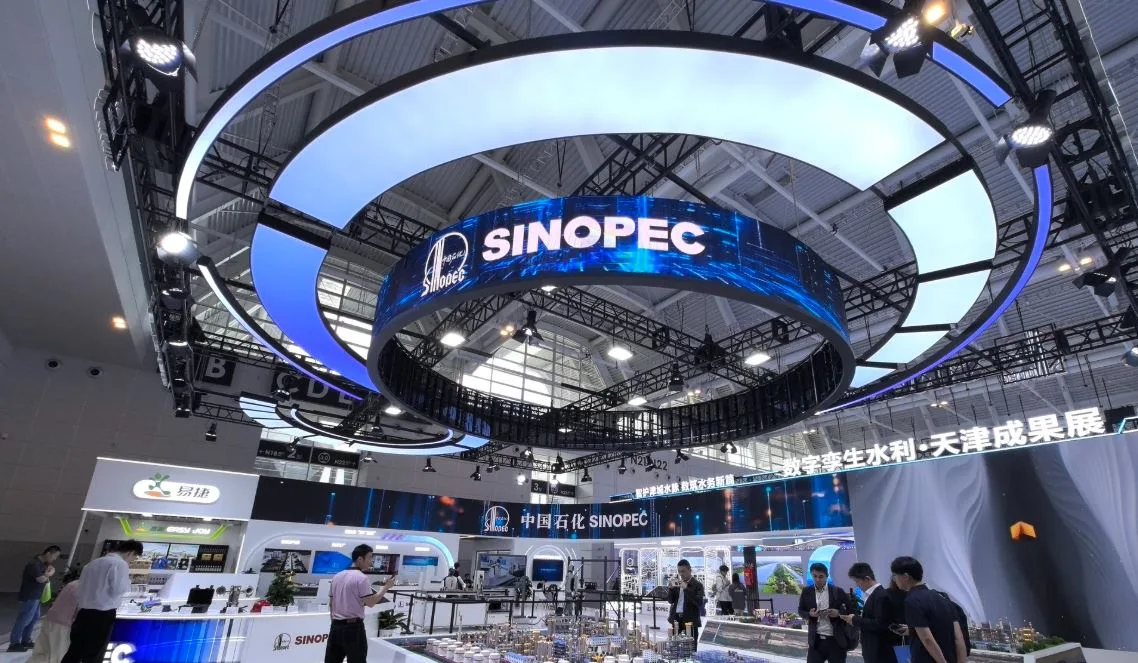
Sinopec and BYD signed an industrial and capital cooperation framework agreement in Beijing on June 3, with the partnership covering flash-charging network construction, ecosystem integration and upstream/downstream supply-chain cooperation.
The signing was reported by Xinhua Finance, citing Sinopec’s news office.
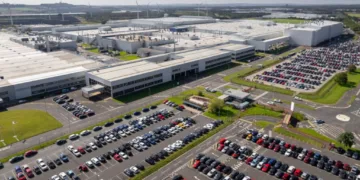
The two sides planned to link their charging networks and use Sinopec’s existing energy-service stations to support the construction and operation of flash-charging sites.
The agreement also covered a wider “energy replenishment + automotive services” ecosystem, including aftersales services, solar-storage-charging inspection facilities, membership systems, user data and automotive-related supply-chain work.
The deal gives BYD access to one of China’s largest fuel-station footprints at a time when charging speed is becoming a key battleground among Chinese EV makers.
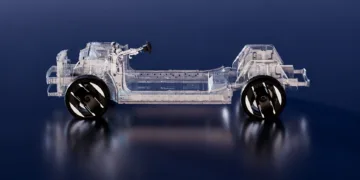
BYD’s own charging push started to get more intense in March 2025, when it unveiled its Super e-Platform with megawatt flash charging. The carmaker said the system used a 1,000V architecture and could deliver up to 1,000 kW charging power, with supported vehicles such as the Han L able to add up to 400km of range in five minutes.
BYD also said then that it planned to build more than 4,000 megawatt flash-charging stations in China.
More recent third-party reports said BYD was aiming for 20,000 flash-charging stations in China by the end of 2026, with the Sinopec tie-up expected to support that wider rollout.
While price and range still matter, charging convenience is becoming the next weapon. If BYD can make high-speed charging feel closer to refuelling in China, the expectation would eventually spill into export markets too, even if such infrastructure remains a long way off in places like Malaysia.