






Stellantis will invest more than €1 billion (RM4.63 billion) in France to prepare three future Peugeot electric and hybrid models for production from 2029.
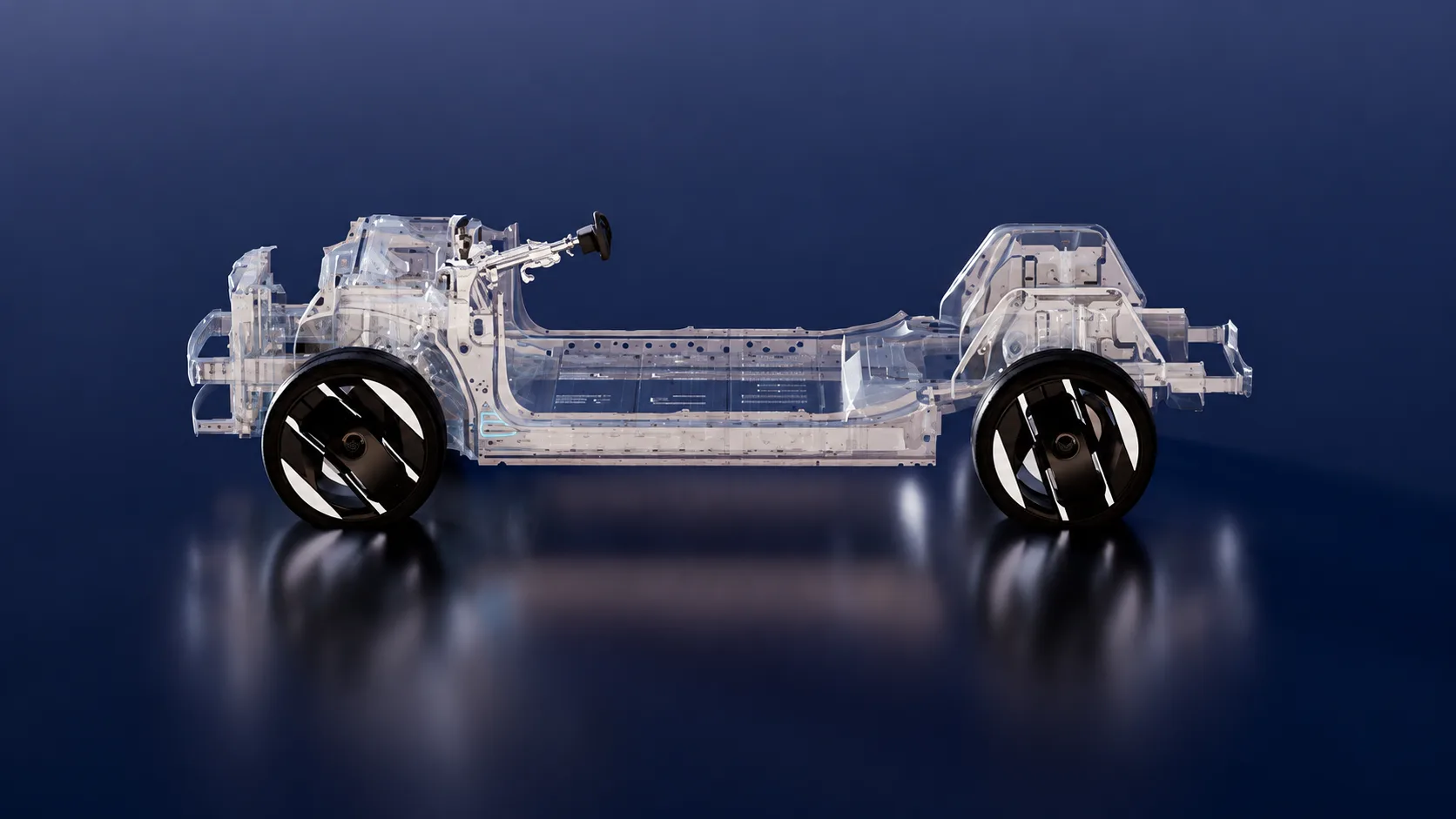
The cars will be built at the group’s Mulhouse plant in Alsace, using the new STLA One platform.
Stellantis said the investment would support both platform development in France and industrial work at Mulhouse, which employs about 4,500 people. The plant is one of Peugeot’s historic manufacturing sites.
The three Peugeot models are in the C-segment, a crucial part of Europe’s passenger-car market. Stellantis said the segment accounts for about 30% of total car sales in Europe.
STLA One is a new modular platform for electric and hybrid vehicles. Stellantis said it is designed to support different vehicle sizes and powertrains, while cutting development complexity. The target is a 20% cost-efficiency gain through scale and simplification.

Reuters reported that STLA One would first enter production in Spain in 2027 with the next Peugeot 208, before the Mulhouse-built C-segment models arrive later. It also said Stellantis plans to build up to two million vehicles a year on the platform by 2035.
The move fits Stellantis’ FaSTLAne 2030 plan, which was presented on May 21. Under that plan, Peugeot is one of the group’s four global brands with the strongest volume and profit potential. Stellantis also wants the platform to help it fight harder against lower-cost rivals, especially as Chinese carmakers keep pushing deeper into Europe.
Stellantis CEO Antonio Filosa said the France investment showed the professionalism and commitment of the group’s teams. He said France brought together Stellantis’ global scale, local know-how and brands to meet customer expectations.
The French government has also pushed harder for cleaner transport and local industrial investment. Stellantis welcomed that support, including policies tied to clean-vehicle purchases and a “Made in Europe” industrial push.
Peugeot has time, but not much of it. The first Mulhouse models are due only in 2029, while Chinese brands are already filling European showrooms with well-priced EVs and hybrids.
Stellantis has now locked in the factory plan. What still needs proving is whether the cars can arrive with the right price, range and equipment when buyers finally see them.