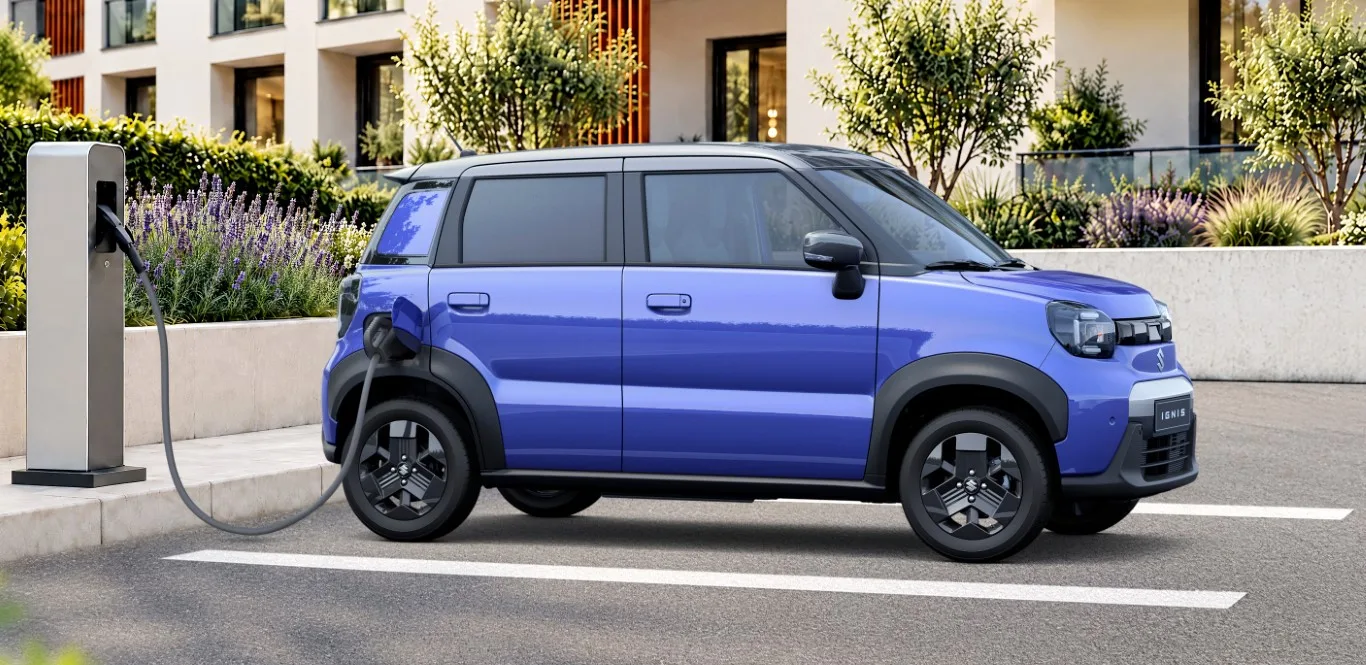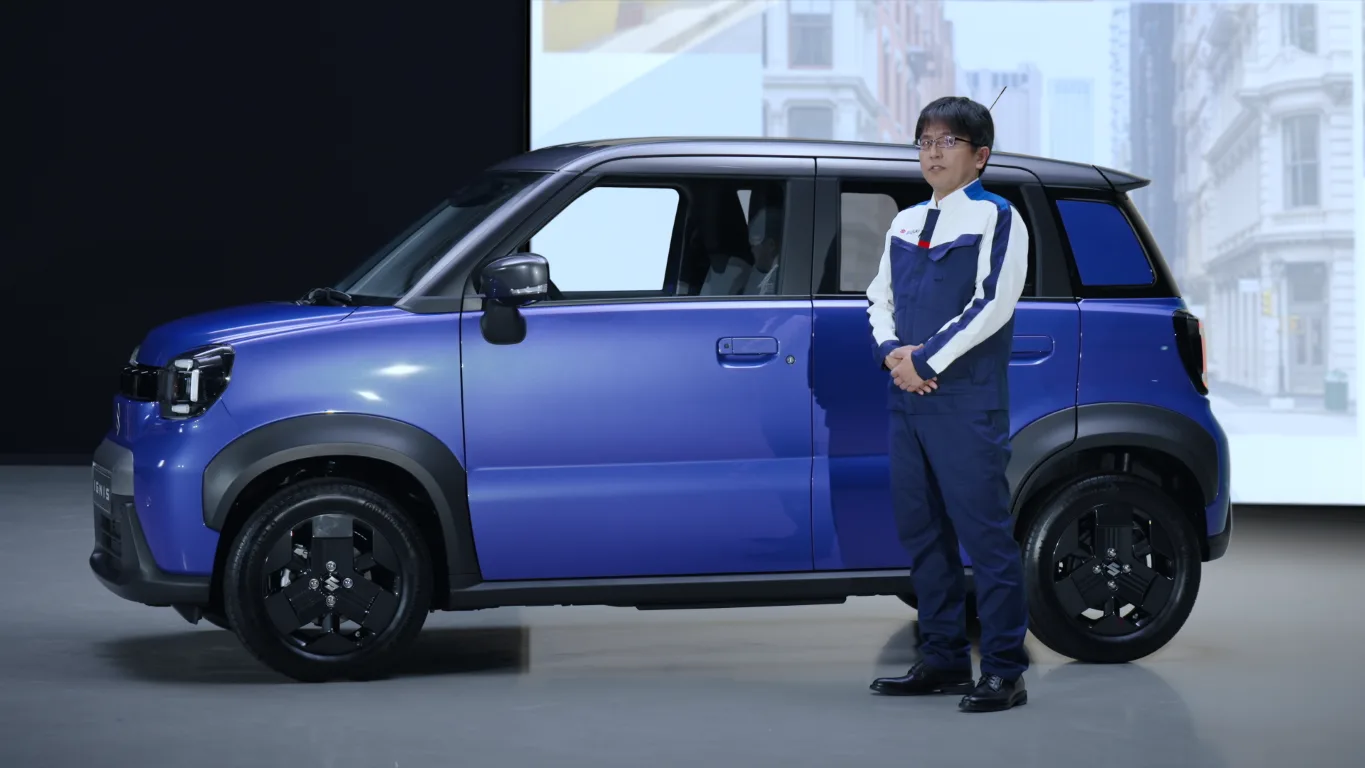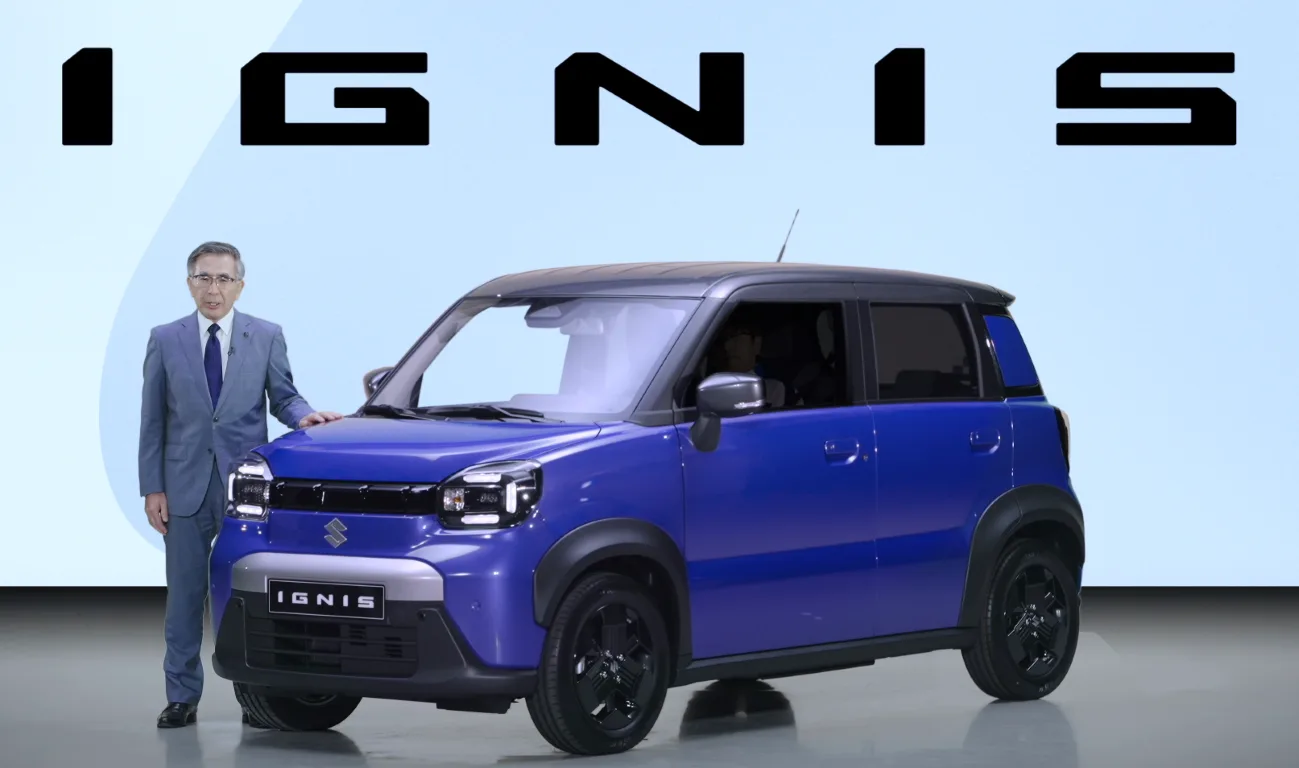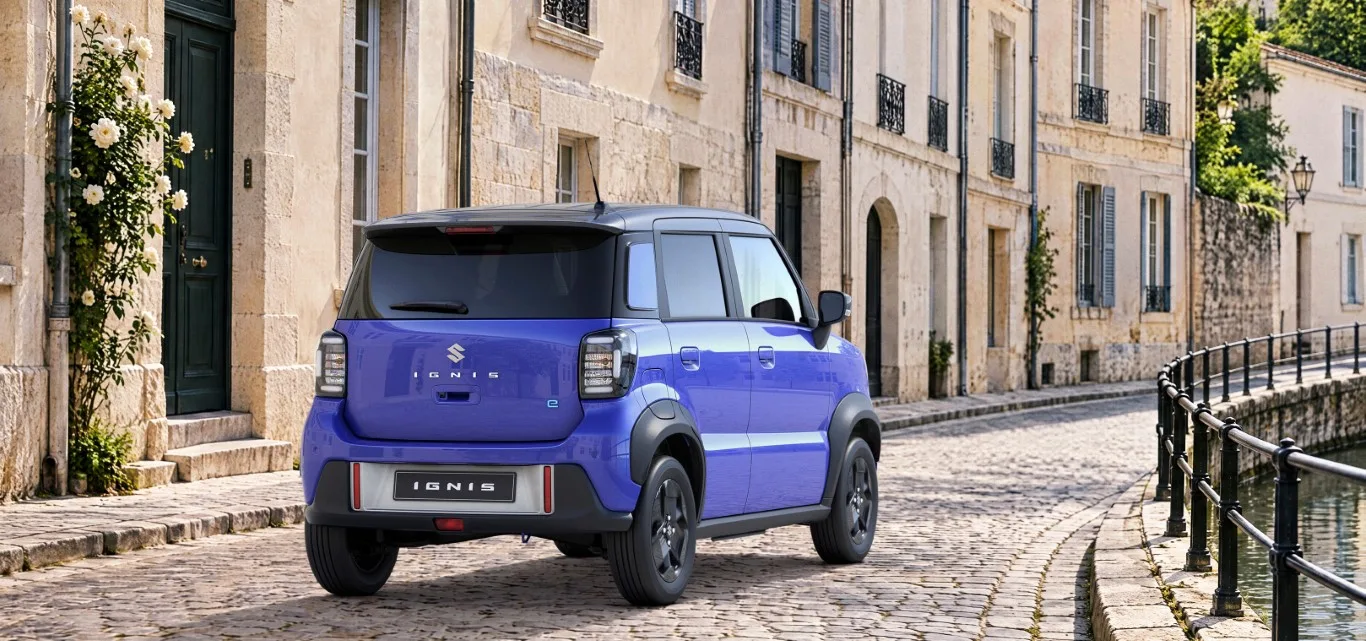









Suzuki has reinvented its former petrol-powered Ignis micro-SUV as an all-electric city car.
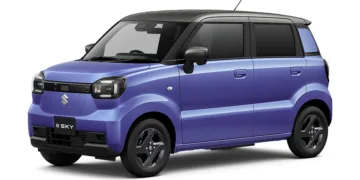
Unveiled today, the new Ignis marks a departure from its previous generation introduced in 2016. It is derived from the e SKY, Suzuki’s electric kei car that went on sale in Japan on Nov 16.
The four-seater becomes Suzuki’s second global battery electric vehicle (BEV) after the e Vitara, with sales in Europe and other international markets starting from mid-2027.
European specifications list a front-mounted electric motor producing 67 kW (91 PS) and 133 Nm of torque, powered by a 26 kWh lithium iron phosphate (LFP) battery.
The motor, inverter and reduction gears are housed within a compact electric axle assembly.
While the Japanese e SKY has a driving range of 310 km under Japan’s WLTC test cycle, Suzuki has yet to announce the Ignis’ WLTP range.
Measuring 3,570 mm long, the Ignis has a turning radius of just 4.5 metres, making it particularly suited to congested urban streets and tight parking spaces.
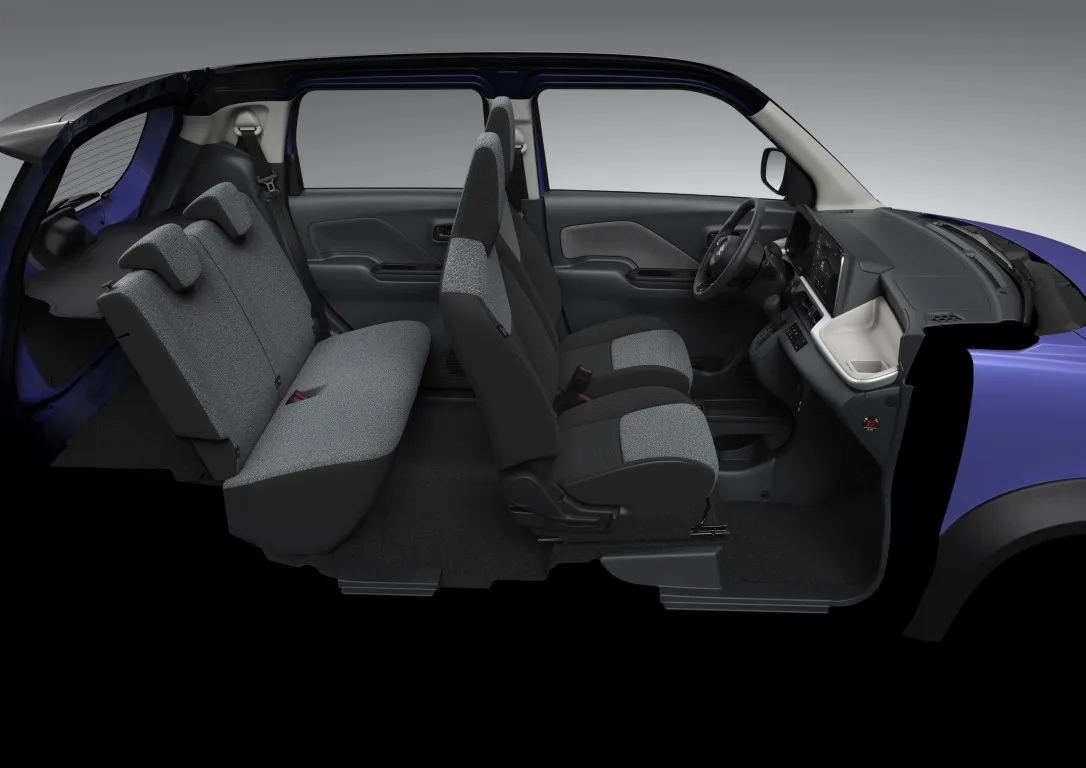
Suzuki’s dedicated HEARTECT-e platform accommodates the battery beneath the floor, allowing more efficient use of cabin space while maintaining a compact footprint.
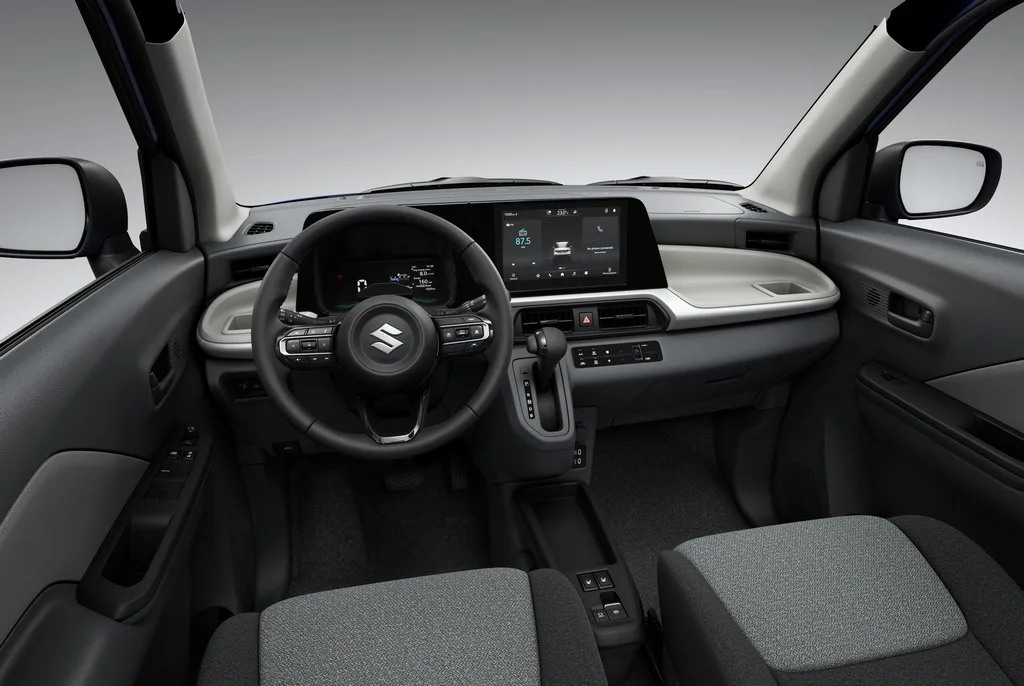
The exterior features a floating roof and distinctive LED lighting graphics inspired by digital numerals. Inside, rounded surfaces and a wide display panel dominate the dashboard.
Suzuki has also incorporated a regenerative-hydraulic braking system and an electric brake booster to provide a more familiar braking response for motorists switching from petrol-powered cars.
Rather than simply exporting its Japanese city car, Suzuki conducted extensive road tests in Europe and other regions, using the findings to recalibrate power delivery and suspension settings for international markets.