





BYD’s change of plans for its Malaysian assembly operations has brought fresh attention to what carmakers should deliver in return for government incentives.
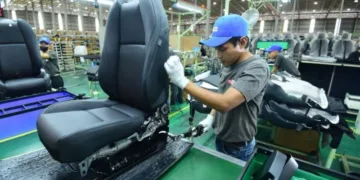
The Chinese manufacturer abandoned its proposal to build its own assembly plant, opting instead to have vehicles assembled by a local partner.
The decision was raised in the Dewan Rakyat today when Ampang MP Rodziah Ismail questioned whether electric vehicle (EV) incentives should depend on actual contributions to Malaysia’s economy rather than investment commitments alone.
Deputy Investment, Trade and Industry Minister Sim Tze Tzin said the government was working on changes to the incentive mechanism.
These would make export performance an important consideration alongside technology transfer, employment of skilled workers and opportunities for Malaysian automotive suppliers.
Local sourcing is already a requirement under the existing incentive structure, Sim said.
The distinction is between attracting investment and ensuring that investment produces measurable results for Malaysian businesses and workers.
The review is being undertaken in line with the National Automotive Policy 2020 (NAP 2020) and New Industrial Master Plan 2030 (NIMP 2030).