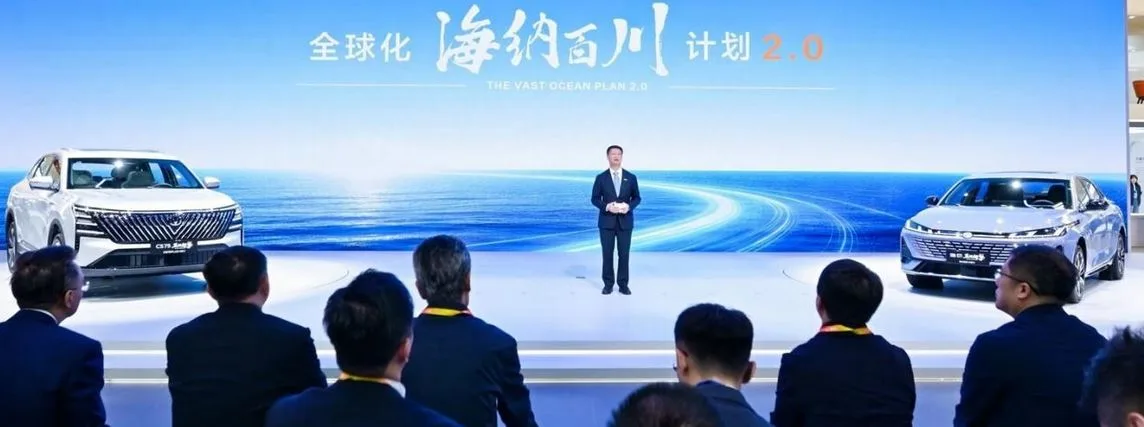





The 2026 Auto China show in Beijing closed on May 3 with organisers claiming record scale and unusually strong international traffic, as China used the event to put smart EVs, batteries and connected-car technology in front of the global industry.
According to a WeChat post by the Beijing auto show organisers, the 10-day event drew 1.28 million visits, including 65,000 overseas visitors. It also attracted 32,000 media personnel, of whom 4,125 came from outside China.
For the first time, the show was held across two venues: the China International Exhibition Centre in Shunyi and the Capital International Exhibition Centre.
Together, they covered 17 exhibition halls and 380,000 square metres. Organisers described that as a record for the Beijing show and claimed it also set a new global benchmark for motor show scale.
The vehicle count was equally large. A total of 1,451 vehicles were displayed, including 181 debuts and 71 concept cars. The show also hosted 219 press conferences and more than 50 forums, seminars, industry exchanges and business-matching sessions.
The official post said carmakers, suppliers and technology companies from 21 countries and regions took part, while representatives from more than 70 embassies and consulates in China also visited the show.
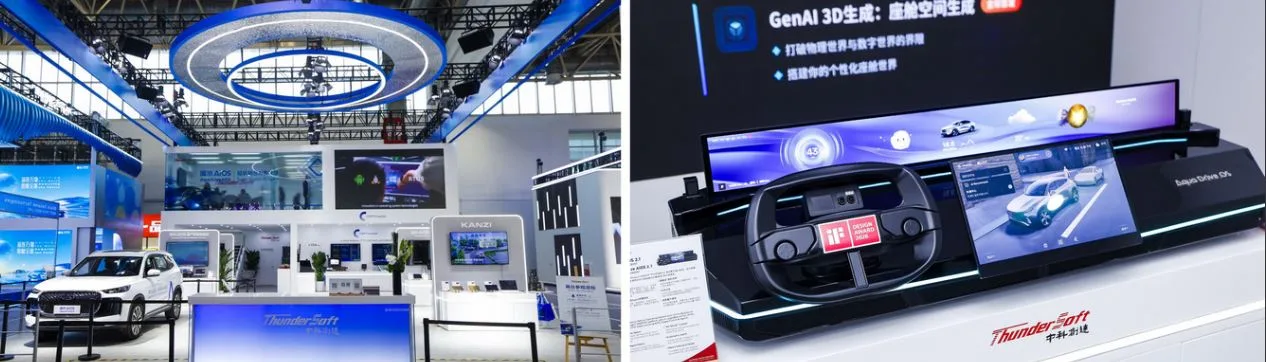
Technology was the big focus. The organisers said the show reflected the industry’s move from basic electrification towards smarter, more connected vehicles. Exhibits included AI large models in cars, L3 autonomous driving, central computing platforms, intelligent cockpits and vehicle-to-everything systems.
On the EV side, the post pointed to new-generation batteries with claimed energy density above 400Wh/kg, vehicle ranges of more than 1,500km, nine-minute fast charging and fast charging in temperatures as low as -30°C. Battery-electric, range-extender and hydrogen fuel-cell vehicles were also shown.
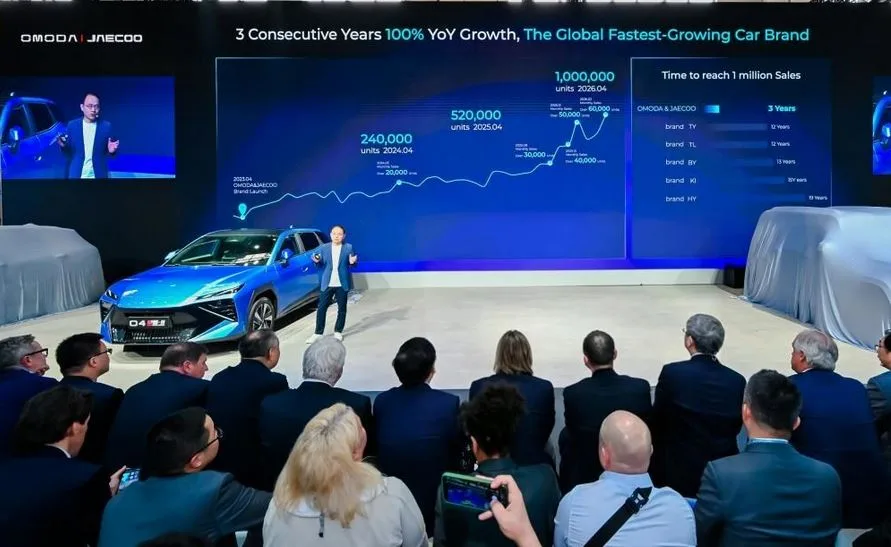
The post also pushed a wider message about Chinese brands. It said local carmakers are gaining ground in premium EVs, luxury SUVs and MPVs, helped by progress in batteries, motors, electronic controls, autonomous driving and cabin technology.
China remained the world’s largest vehicle exporter in 2025, according to the organisers, with Chinese brands expanding beyond developing markets into Europe, North America and other developed regions.
The scale of the show and the size of the crowd indicate that Beijing is no longer just China’s home motor show. It has become one of the main places where China shows foreign rivals, suppliers and dealers how quickly its car industry is changing.
China’s main international auto show alternates between Beijing and Shanghai, with Beijing hosting Auto China in even-numbered years and Shanghai hosting Auto Shanghai in odd-numbered years.