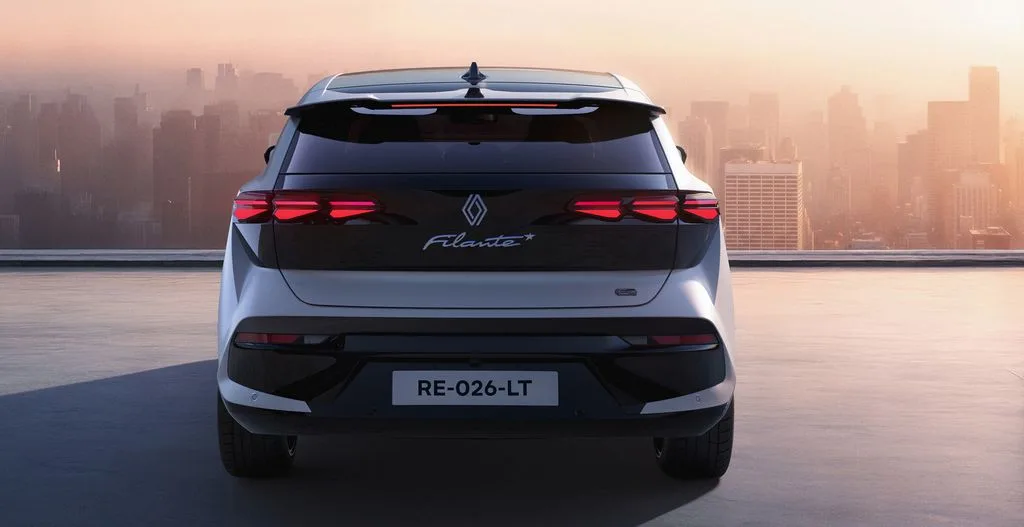







Renault is betting big on Asia with the Filante, a flagship crossover that won’t see European showrooms but could reshape how the French brand competes in markets where it’s been losing ground to Toyota, Hyundai, and increasingly aggressive Chinese manufacturers.
Order books open for South Korea this March, with the Gulf States and Latin America to follow in early 2027 — a deliberate sequence that reflects where Renault thinks it can still win.
The timing is important.
Korean buyers have shown they’ll pay premium prices for well-equipped SUVs, and Renault needs early momentum before tackling the tougher Latin American market, where it once dominated but has watched its share erode.
The Gulf push makes sense too: flush with oil money and hungry for large, comfortable vehicles, those markets have little patience for compromises on space or technology.
What’s particularly revealing is what sits underneath.
The Filante uses Geely’s Compact Modular Architecture, the same bones that underpin several Chinese vehicles already selling well across Asia.
Renault isn’t shy about the partnership; it can’t afford to be.
Developing an all-new platform for non-European markets would take years and billions the company doesn’t have to spare. By working with Geely, Renault gets a proven foundation and can focus resources on differentiation through design and hybrid technology.
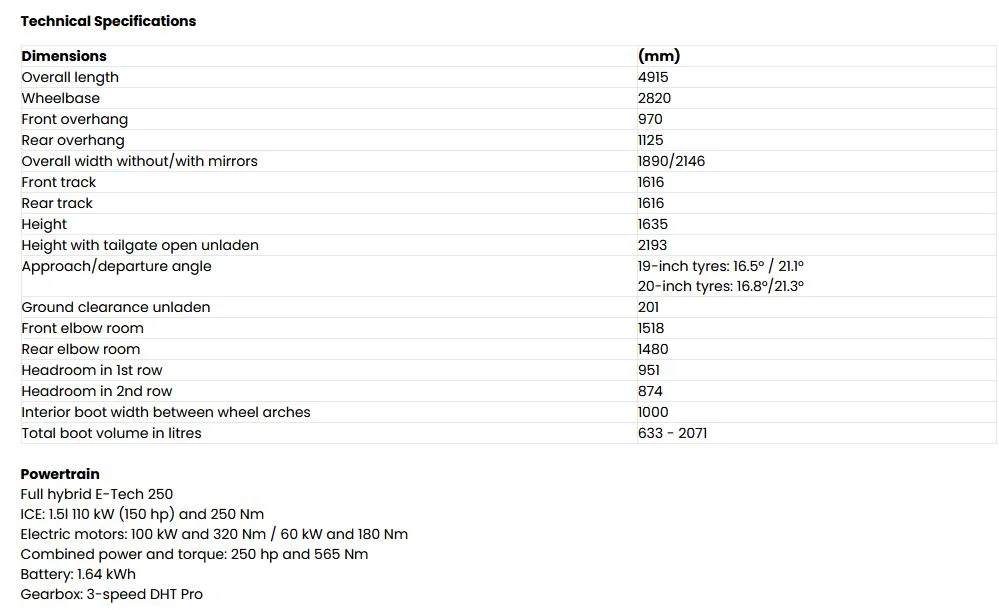
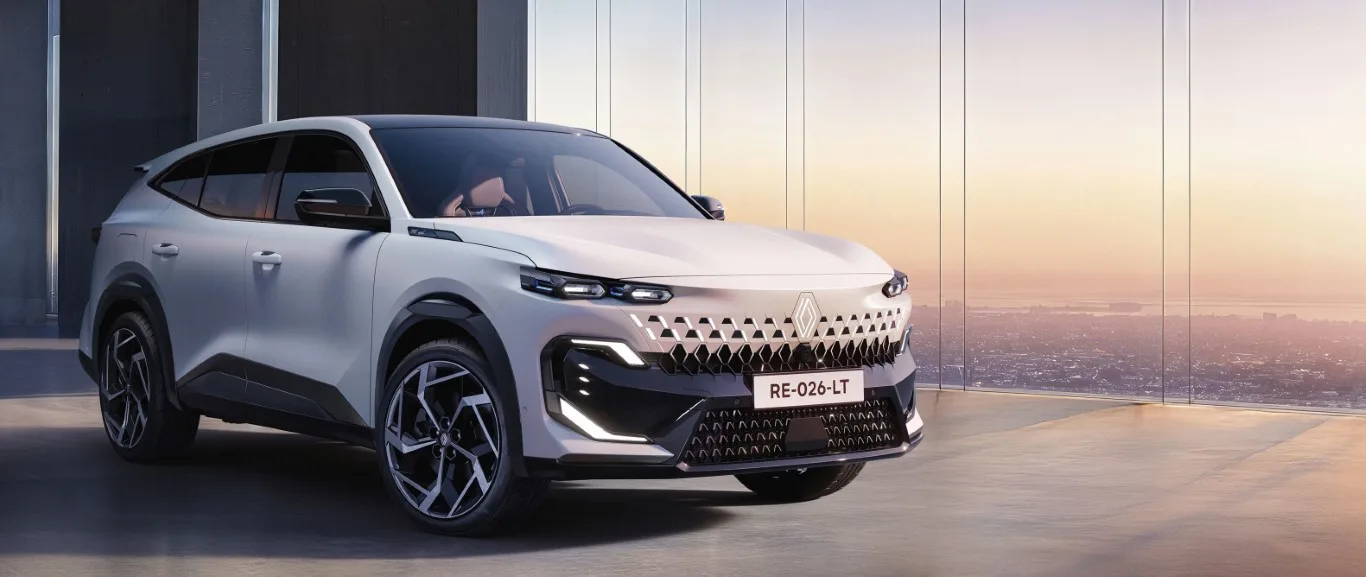
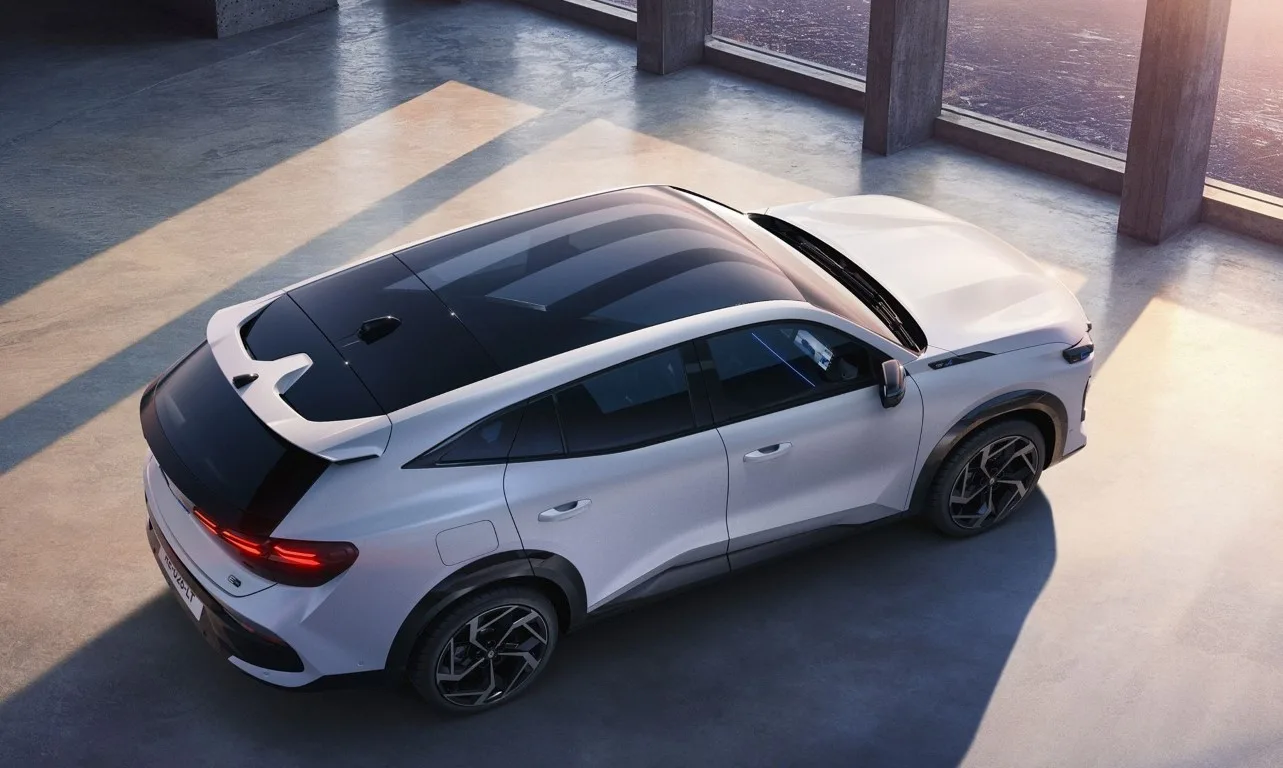
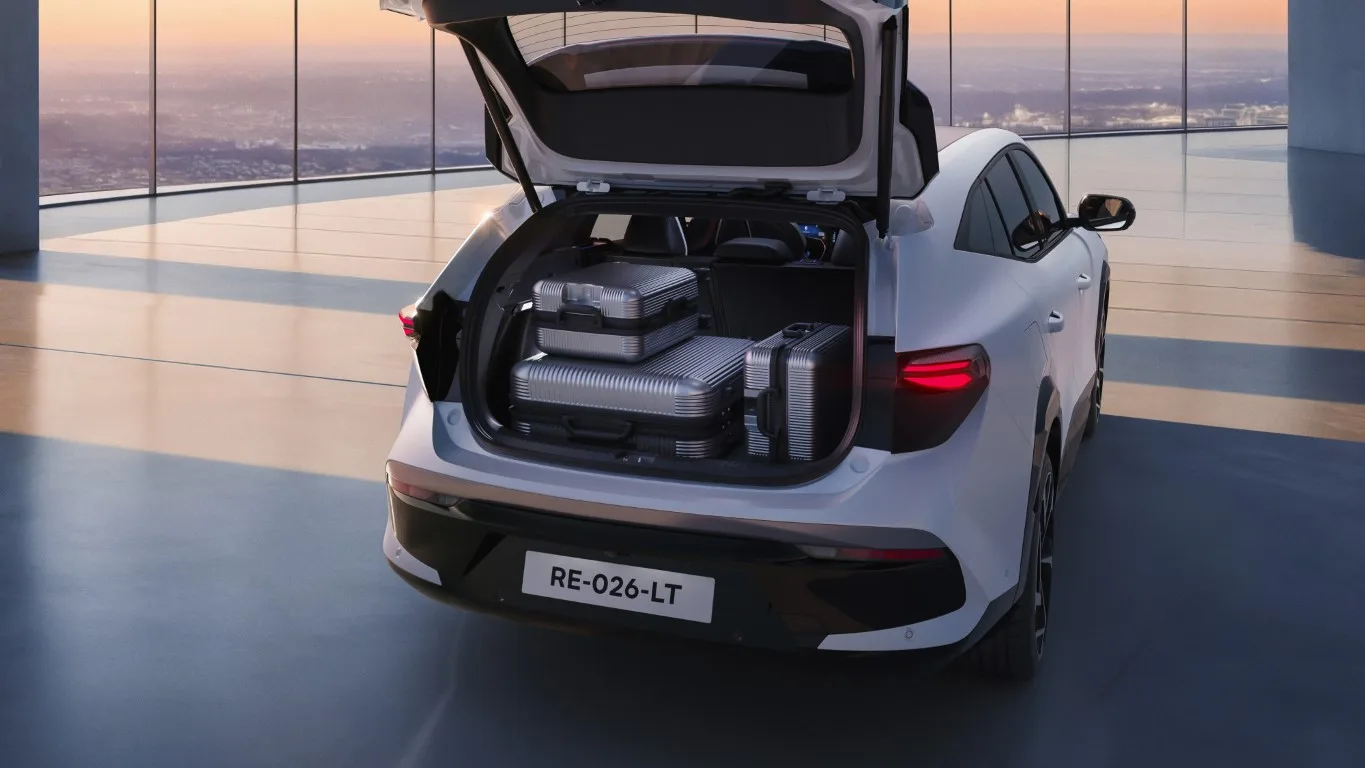
Built at Renault’s Busan plant, the Filante stretches 4,915mm long —bigger than a Nissan X-Trail, smaller than a Toyota Highlander — with the tall, 1,635mm roofline that buyers in these markets expect.
Renault’s design chief Laurens van den Acker talks about “redefining the cues of its segment,” which is marketing speak, but the proportions suggest they’re chasing the same sweet spot as the Hyundai Santa Fe: premium enough to justify the price, practical enough to work as a family hauler.
The name carries weight, at least for enthusiasts with long memories.
Renault dusted off “Filante” from the Étoile Filante, the streamlined rocket that hit 308.9kph at Bonneville in 1956 — a legitimate piece of speed history.
More recently, the company ran a Filante Record 2025 electric demonstrator that covered 1,008km in under 10 hours at an impressive 7.8kWh/100km.
Whether Korean buyers care about French land speed records from seven decades ago is debatable, but the efficiency story resonates in markets where fuel economy still matters despite lower pump prices.
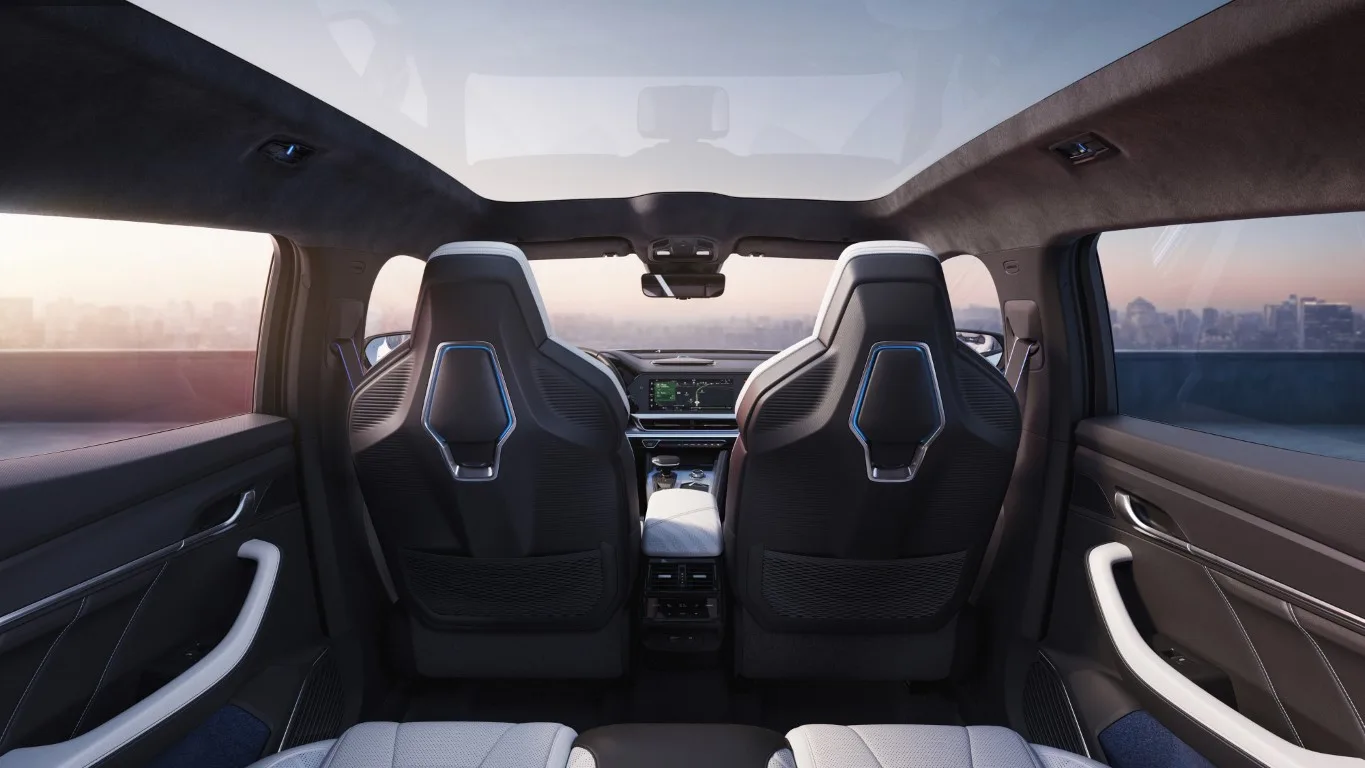
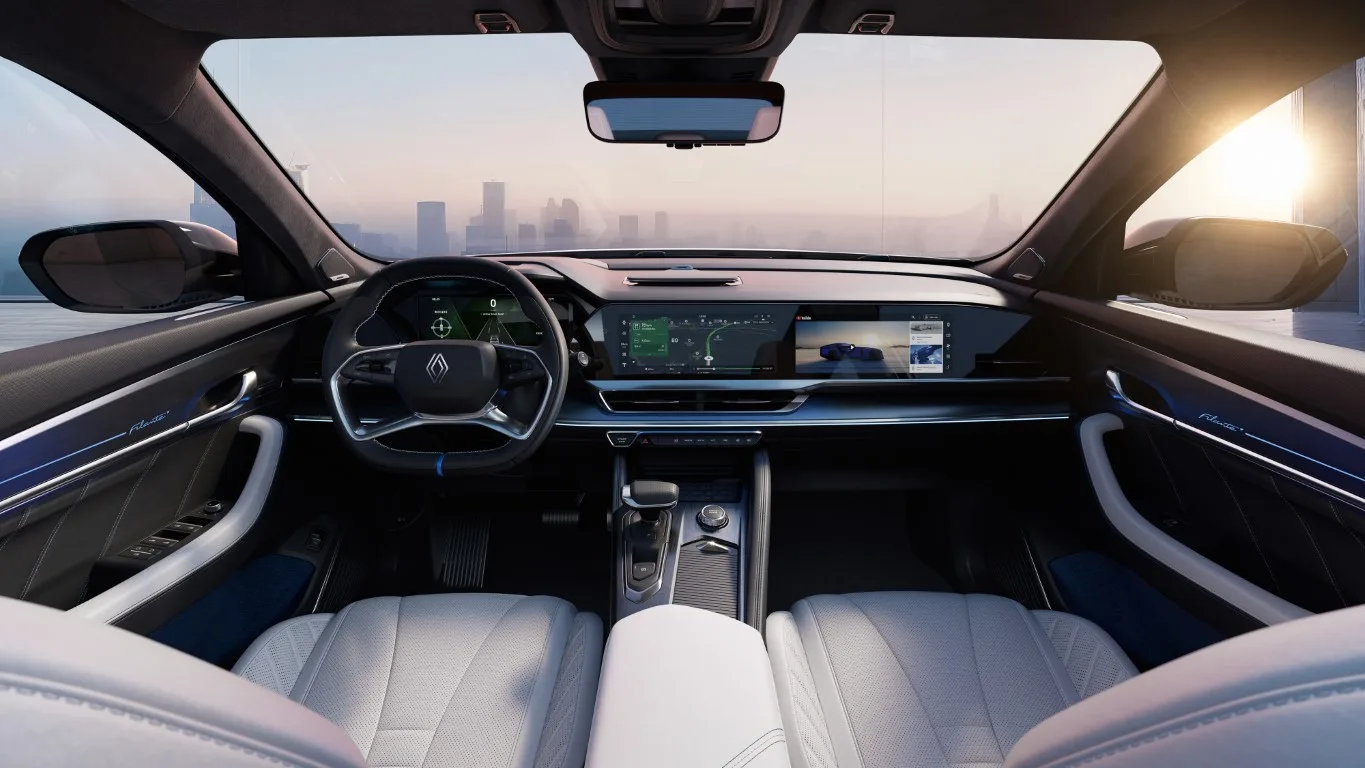
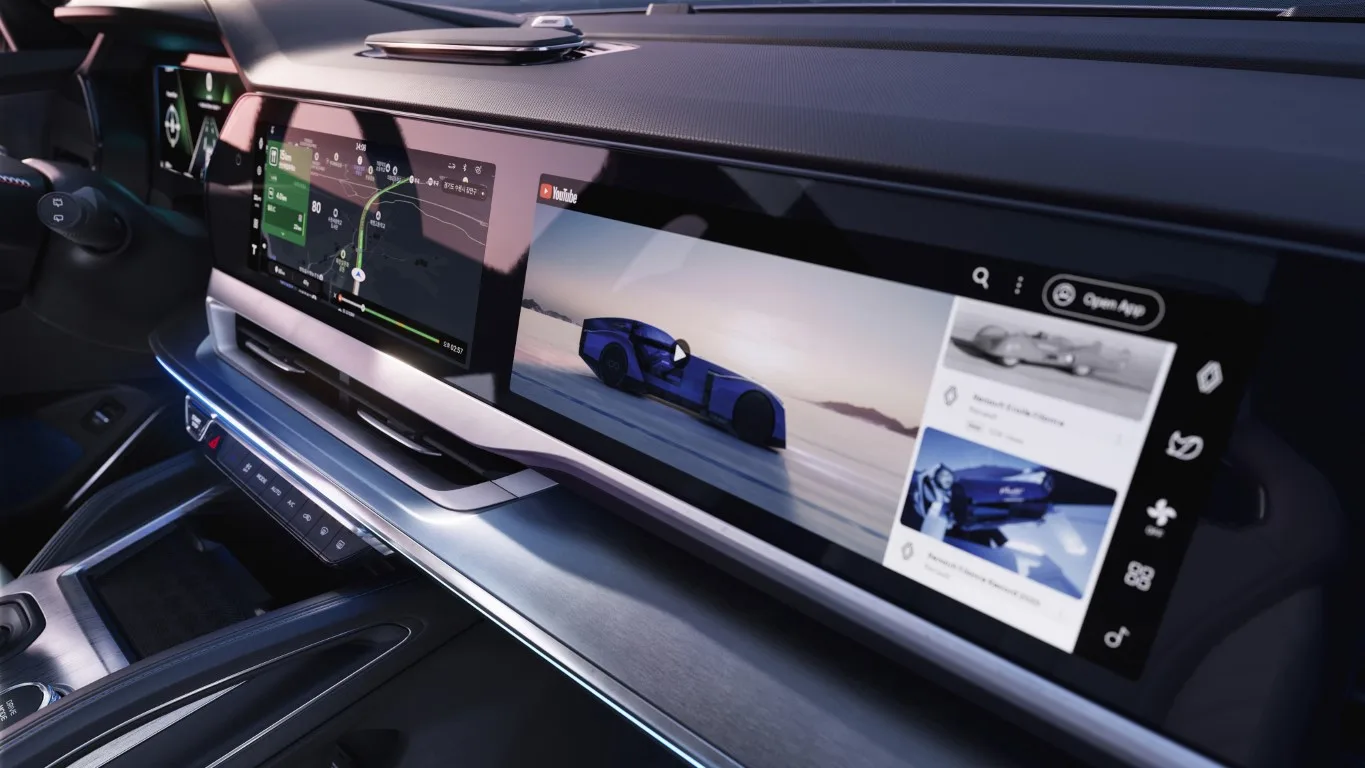
Inside, Renault has thrown the full technology playbook at the Filante: three 12.3-inch screens in the OpenR Panorama layout, a 25.6-inch augmented reality head-up display, and more than 30 driver-assistance functions.
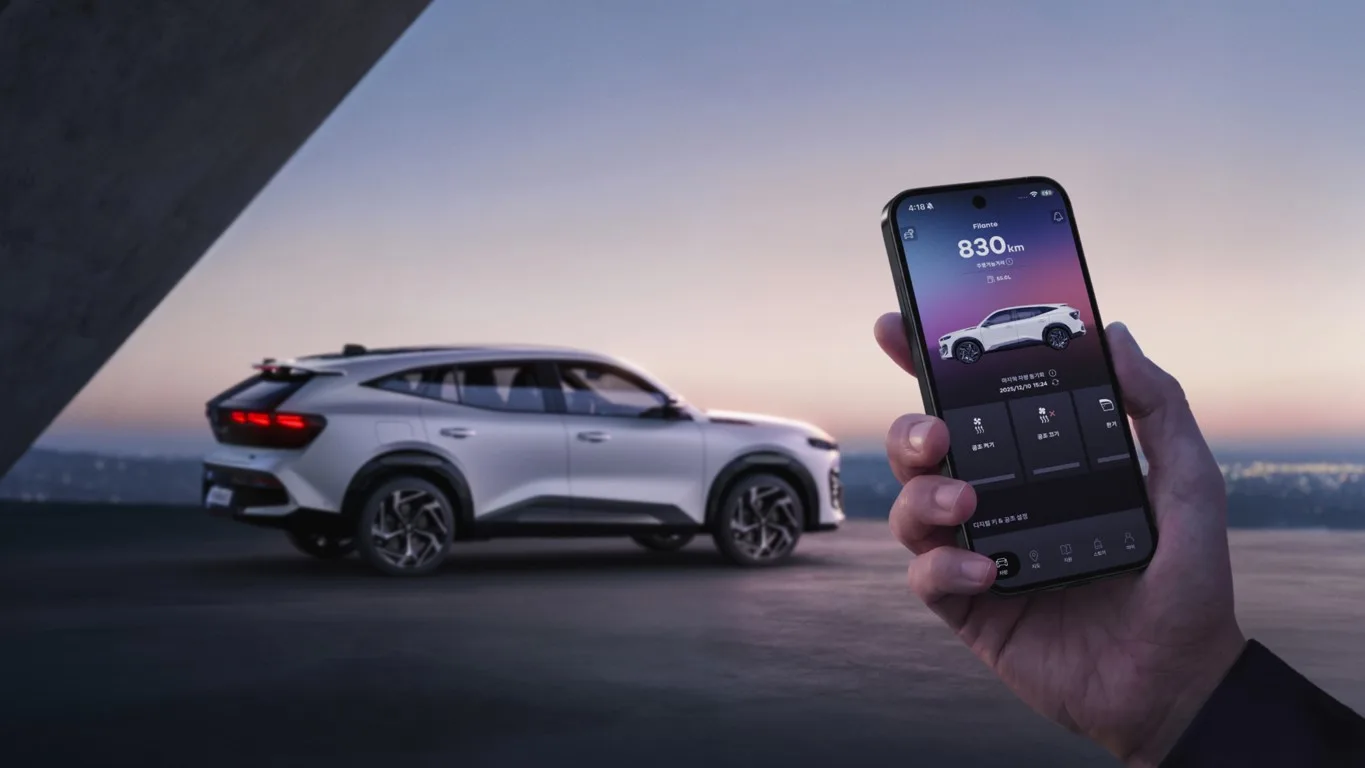
That’s table stakes now. Geely’s own brands offer similar feature counts at lower prices, and buyers expect their premium crossover to feel like a technology showcase.
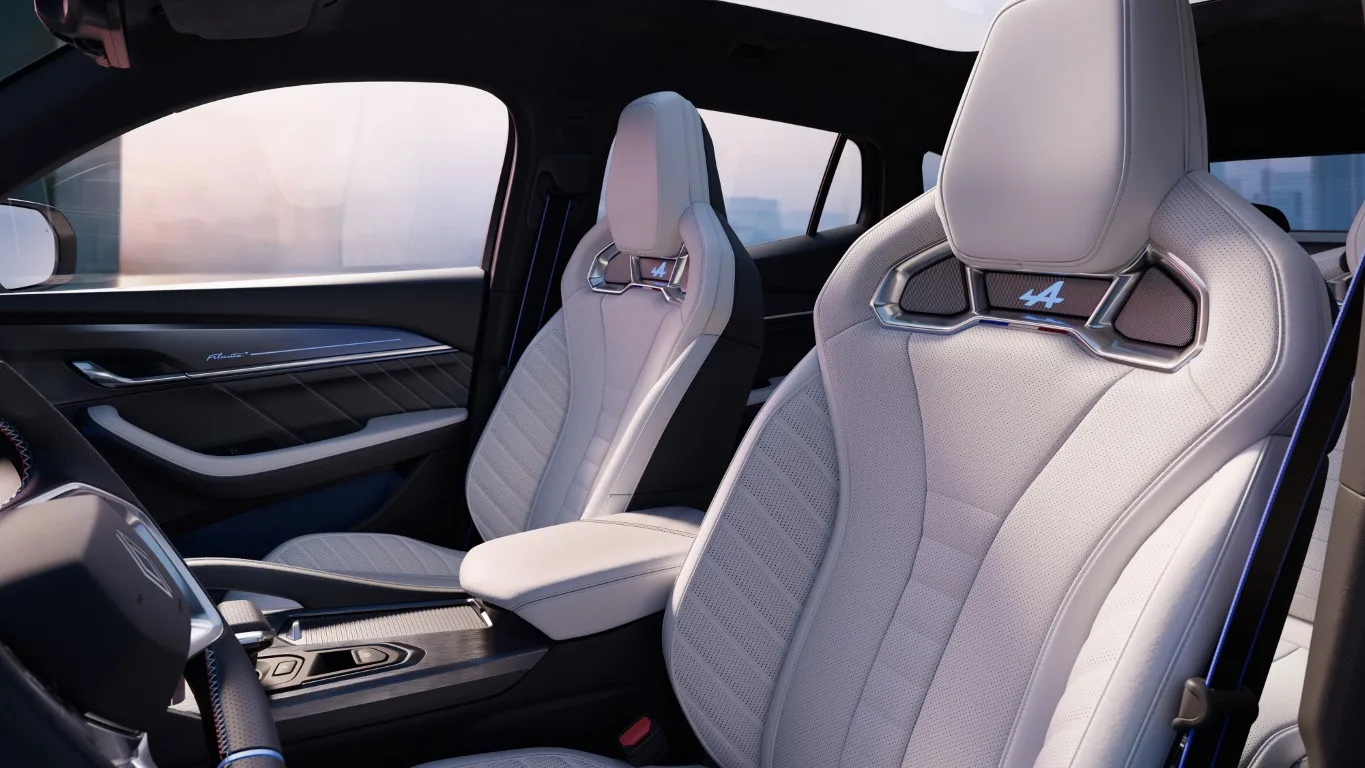
The panoramic sunroof van den Acker mentions isn’t revolutionary, but in hot climates with the right tinting, it changes how the cabin feels.
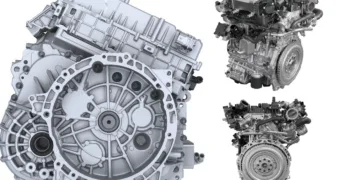
Power comes from Renault’s 250hp E-Tech full-hybrid system, pairing a 1.5-litre turbocharged petrol engine with two electric motors through a DHT Pro transmission and a modest 1.64kWh battery.
It’s not plug-in territory. Renault clearly decided the infrastructure isn’t there yet in most target markets but the dual-motor setup should deliver the smooth, quiet urban driving these buyers want without the range anxiety or charging headaches.
The company’s “International Game Plan 2027” aims for one in three international sales to be hybrid or electric by 2027, and the Filante’s powertrain suggests Renault thinks mild sophistication beats cutting-edge electrification in these markets.
The real test isn’t whether the Filante is good. On paper, it looks competitive.
The question is whether Renault still has the brand equity and dealer networks to convince buyers to choose French engineering over the Korean, Japanese, and Chinese alternatives that increasingly dominate these showrooms.
A well-executed crossover on a borrowed platform might be exactly the pragmatic play Renault needs, or it might simply arrive too late to matter.