











Electric vehicles (EVs) require significantly less maintenance compared to traditional internal combustion engine (ICE) cars, with potential savings of up to 50%.
This is due to fewer moving parts in EVs. However, there are still key components that need attention to ensure smooth operation, said BYD distributor Sime Darby Motors.
Fluids
While EVs don’t require oil changes, they still depend on essential fluids like hydraulic brake fluid, battery coolant, HVAC refrigerants, and transmission fluid. These fluids need to be checked and replaced periodically based on driving conditions and climate. Monitoring the performance of these systems can help ensure longevity.
12V battery
Despite advanced technology, EVs are still equipped with a 12V battery, much like ICE cars, to power accessories such as lights, windows, and turn signals. Regular checks, especially annually, are crucial to avoid battery failure, which could leave you stranded.
Tyres, brakes, and suspension
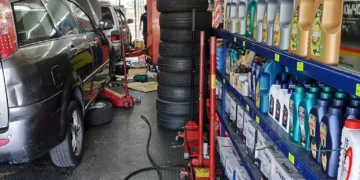
EVs are heavier than ICE vehicles due to the large battery, putting more stress on tyres, brakes, and suspension systems. As a result, these parts may wear out faster. Regular inspections for tyre tread, suspension integrity, and brake performance are essential for safety. Fortunately, EVs feature regenerative braking, which extends brake life compared to ICE vehicles.
Cabin filters
Though EVs lack fuel, oil, and engine air filters, they do have cabin filters that need regular replacement.
These filters play a vital role in maintaining air quality inside the vehicle by trapping contaminants such as smoke, pollen, and mold. Keeping these filters clean is key to ensuring a healthy environment for passengers.
While EV maintenance is less frequent and costly than for ICE cars, regular checks on these components are necessary to maintain performance, safety, and longevity.