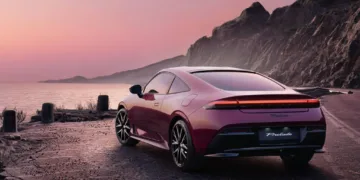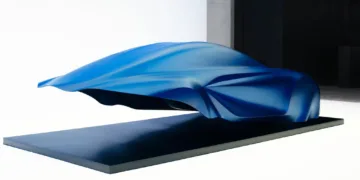





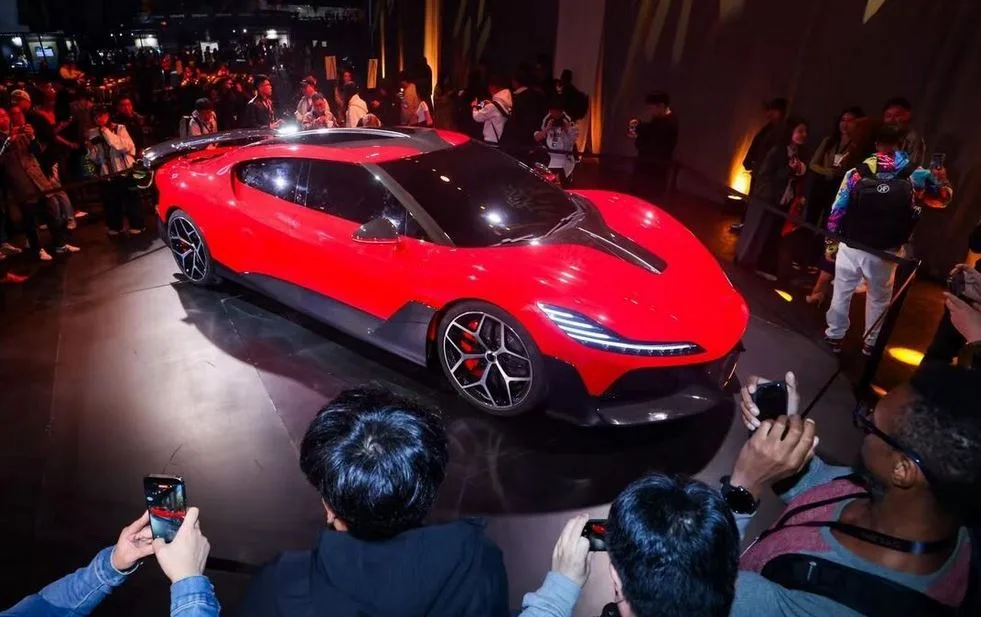
Dreame Nebula NEXT has revealed a rocket-boosted electric concept car in San Francisco, making one of the more unusual performance claims in the EV space.
The car is called the Nebula NEXT 01 Concept Jet Edition. Dreame said it uses both electric drive and a dual solid rocket-booster system, with peak thrust of 100kN and a response time of 150 milliseconds.
The headline claim is a 0–100kph sprint in 0.9 seconds. That should be treated as a company claim for now, not an independently verified performance figure.
The reveal took place on April 27 at Dreame’s “DRIVE NEXT” event in San Francisco, where the Chinese company also showed smart appliances, personal electronics and vehicle technologies.
Dreame is better known for robot vacuums and home cleaning products, which is partly why the rocket-assisted EV concept has drawn so much attention.
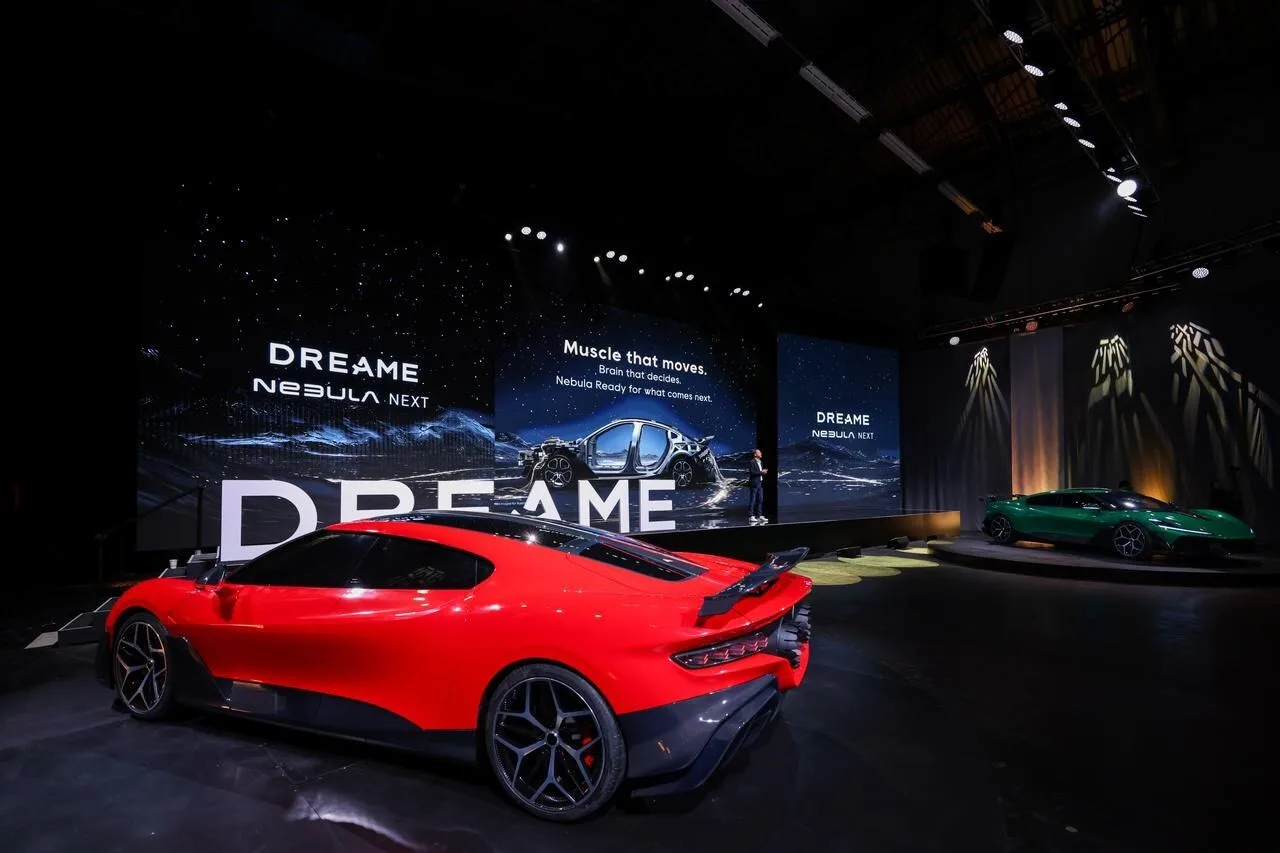
Technical details remain limited, with no confirmed top speed or firm production timeline for the rocket-assisted version.
Dreame also used the event to talk up its wider car ambitions. The company detailed an intelligent chassis with wire-controlled systems, electromagnetic active suspension, dry brake-by-wire and a claimed turning radius of under five metres.
It also introduced a sulfide-based solid-state battery cell rated at 60Ah, with a claimed laboratory energy density above 450Wh/kg. Dreame said the battery is entering mass-production preparation.
The software pitch is equally ambitious. Dreame said its Metis intelligent agent is designed to turn the cockpit into a more proactive assistant, with links to home robotics and cross-device control. It also highlighted a higher-level autonomous-driving system paired with customised LiDAR hardware.
For now, this looks less like a car headed straight for showrooms and more like Dreame trying to get the world to notice its car project.
The idea is wild enough to do that. But before anyone takes a rocket-assisted EV seriously, Dreame still has to answer the dull but important questions: can it be certified, can it be made safe, can it perform the same way more than once, and can it be built at a price that makes sense?