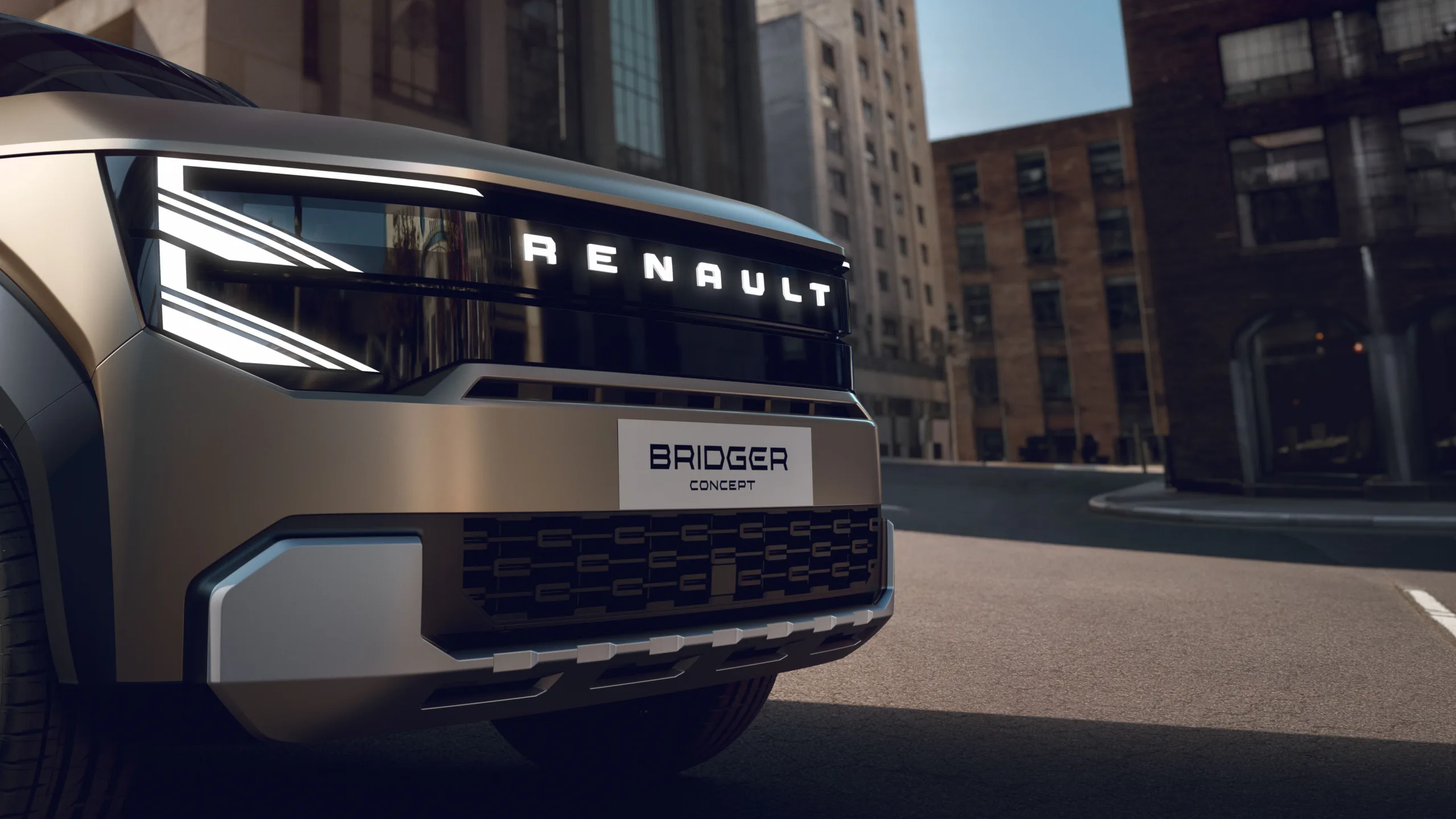




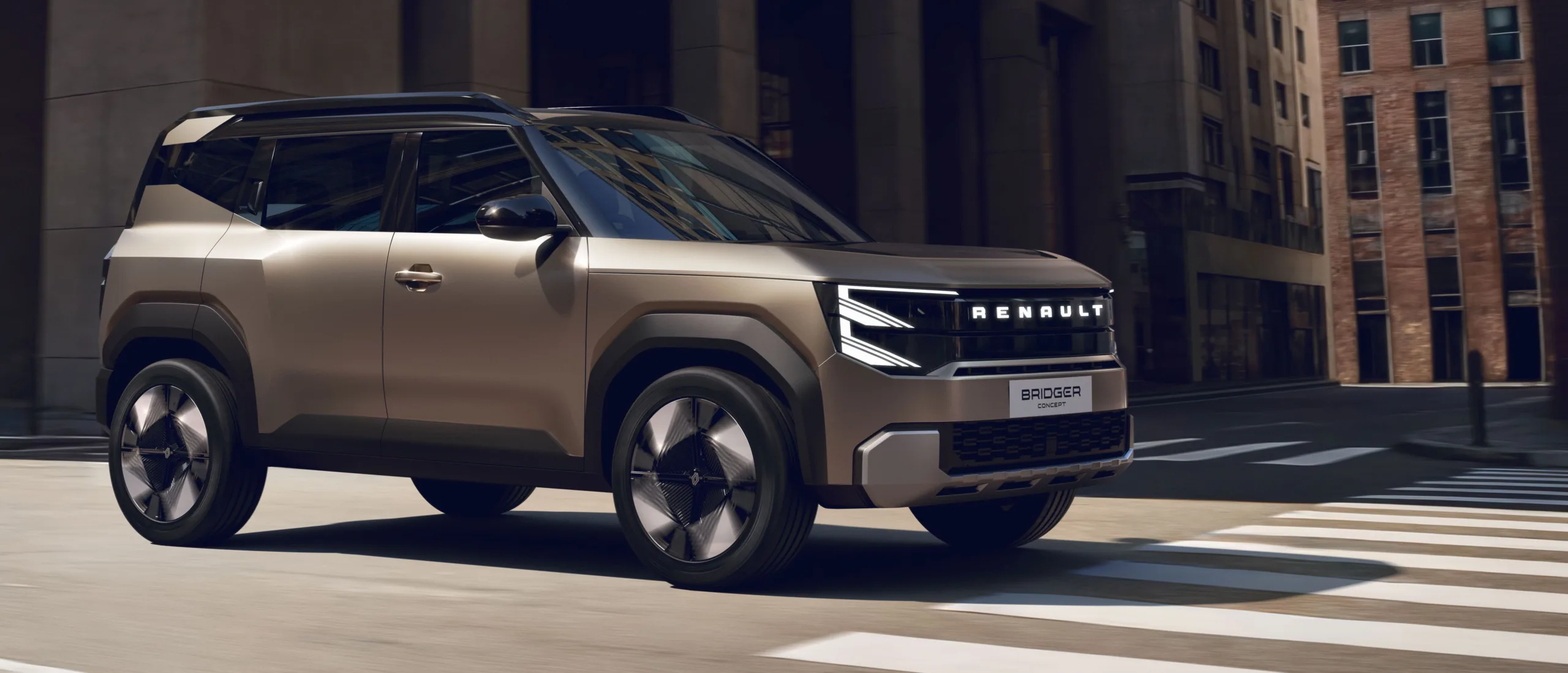
Renault is putting the Bridger Concept at the front of a much larger growth pitch, using the compact SUV show car as the clearest symbol yet of its international ambitions.
The French brand said the sub-four-metre model previews a production vehicle due from India before the end of 2027, with hybrid, electric and combustion options depending on market.
Renault first teased the Bridger as the lead act for its new futuREady strategy, describing it as a compact but roomy urban SUV aimed at families and growth markets.
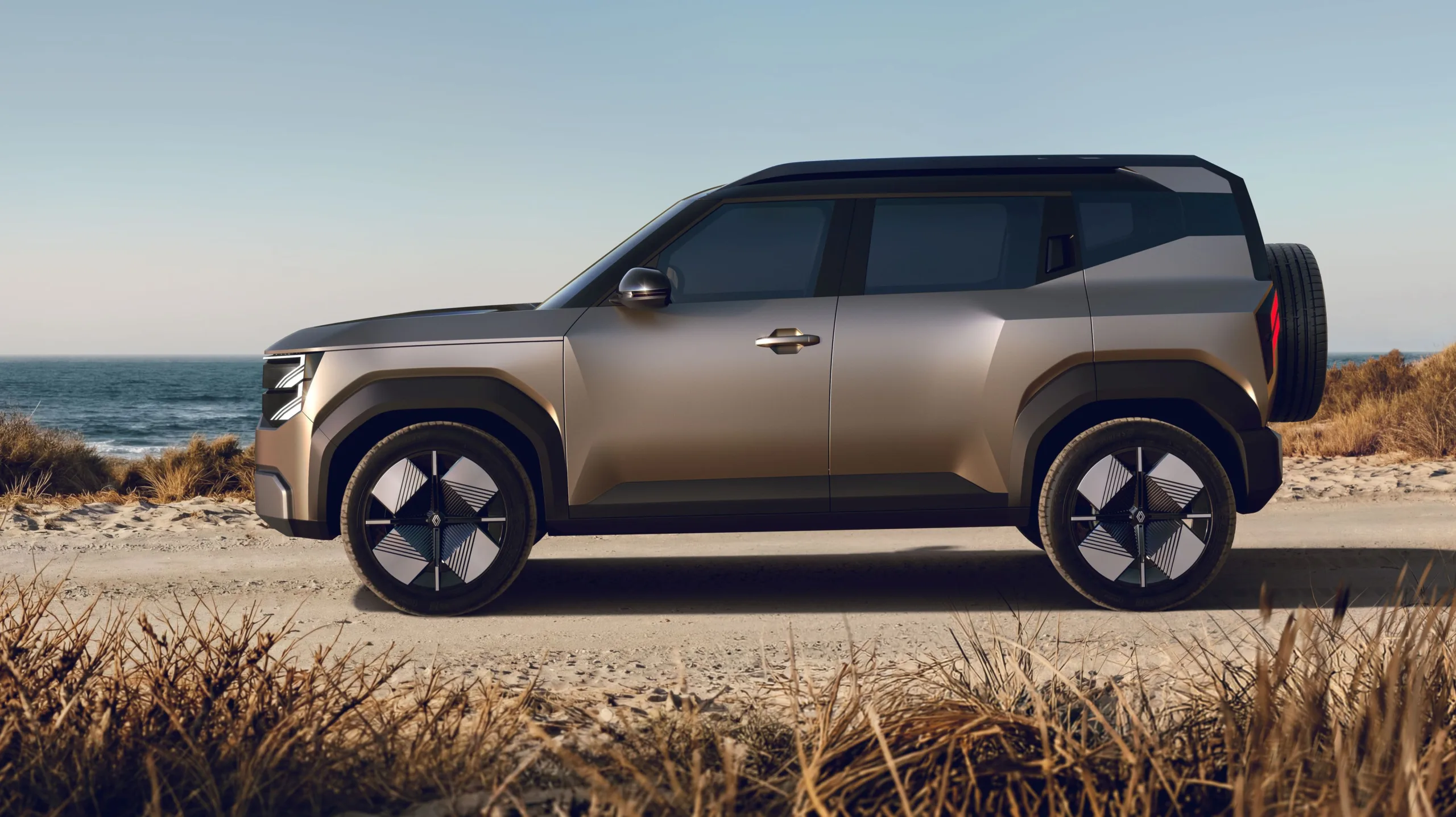
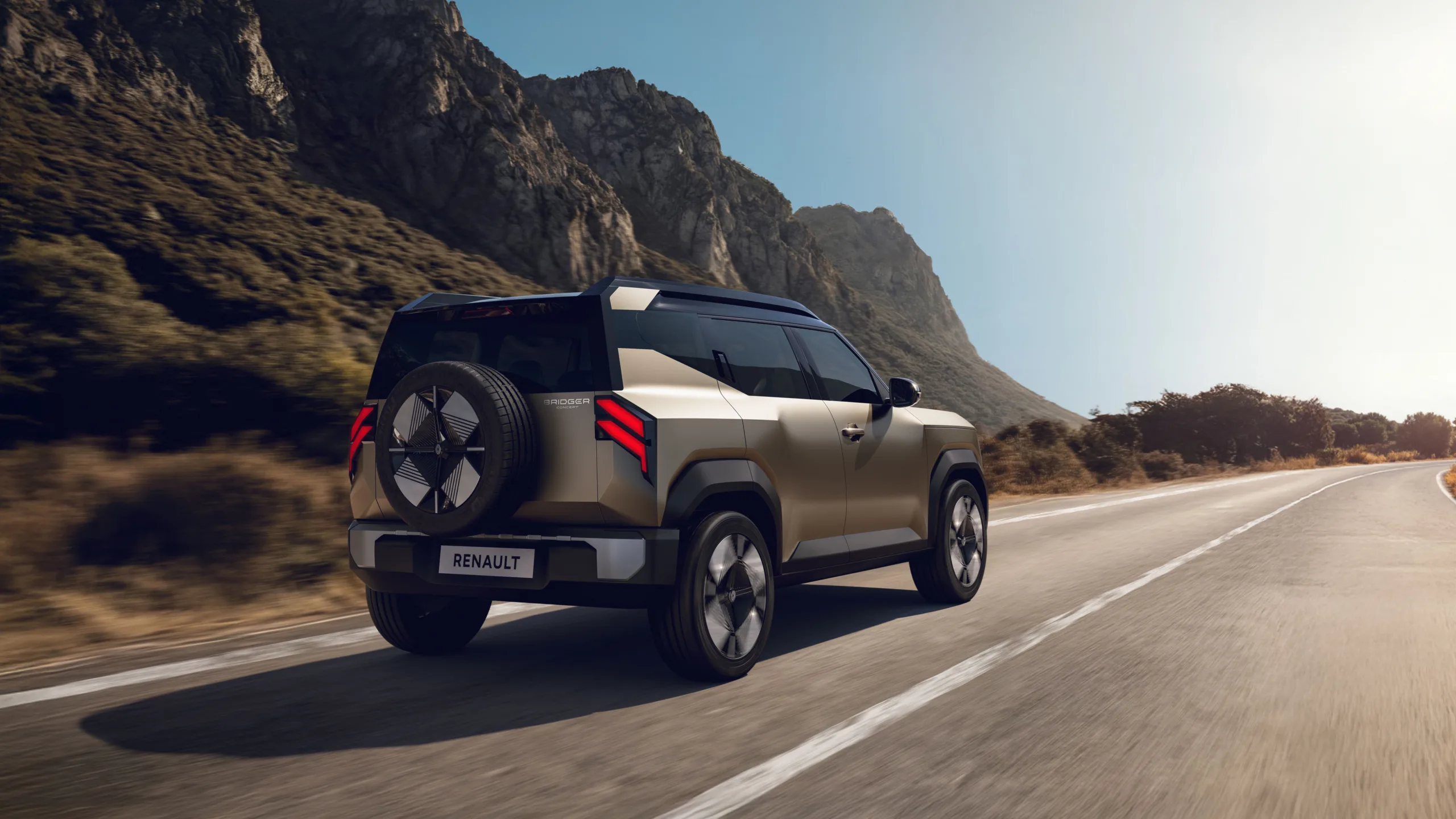
On paper, Bridger sits high, rides on 18-inch wheels, offers 200mm of ground clearance and wears a rear-mounted spare wheel to push a more rugged image than most city SUVs.
Renault also claims unusually generous cabin space for the class, including 200mm of rear knee room and a 400-litre boot. Those are strong numbers if they hold up in production trim, though for now this remains a concept-led promise rather than something buyers can measure in a showroom.
Renault already signalled last year that it wants a stronger industrial footing in India, including full control of Renault Nissan Automotive India and a run of new models off the CMF-B programme.
So Bridger is not appearing in isolation. It looks more like a visible marker for a broader attempt to turn India into both a domestic growth engine and an export base.
The wider strategy is ambitious. Renault said it plans 12 new models in Europe by 2030 and 14 more for international markets (meaning outside Europe), while targeting more than two million vehicle sales by the end of the decade.
Europe remains central, with the brand banking on small-car strength from the Clio, Renault 5, Renault 4 and future Twingo EV, then adding a second wave of electrified C- and D-segment models.
Outside Europe, Renault wants half its sales to come from international markets by 2030.
Electrification sits at the core of the message, but Renault is notably keeping several doors open. It said full-hybrid E-Tech powertrains will remain in Europe beyond 2030, while some overseas markets will still get ICE, hybrid and EV choices in parallel.
That is pragmatic. It also suggests Renault sees the global transition as uneven and is unwilling to bet everything on one powertrain path too early.
Some of the future hardware claims, however, deserve caution.
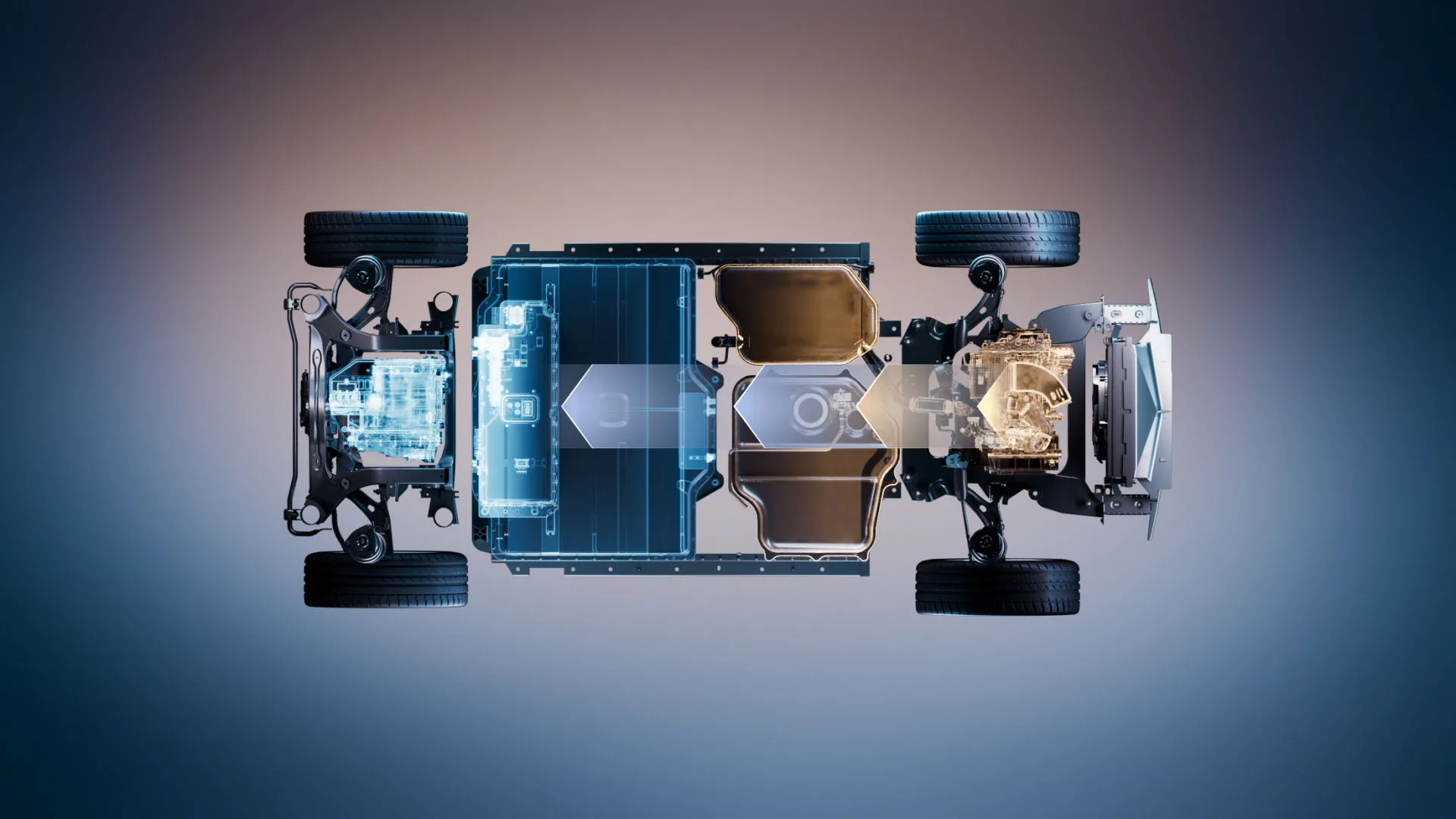
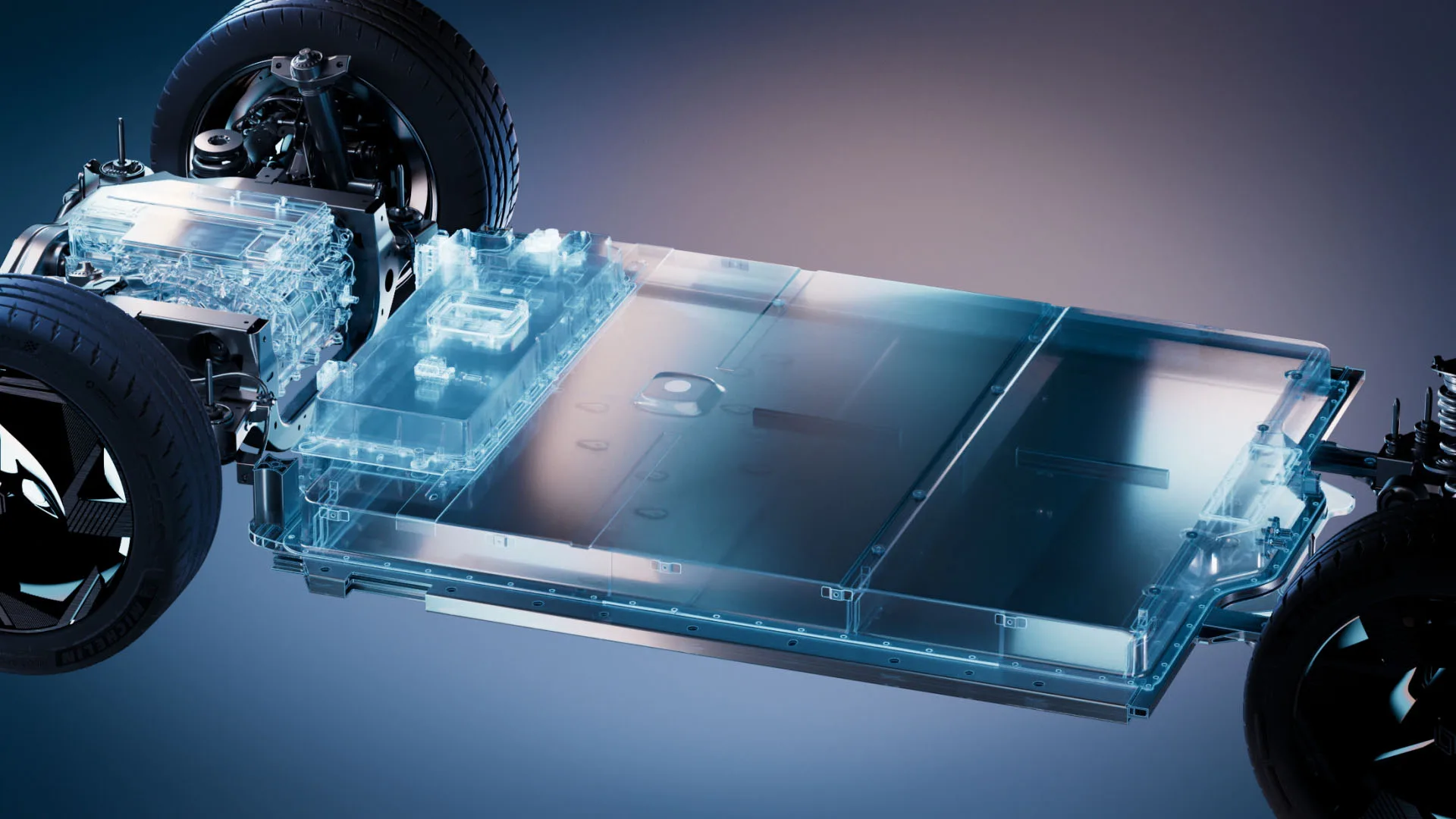
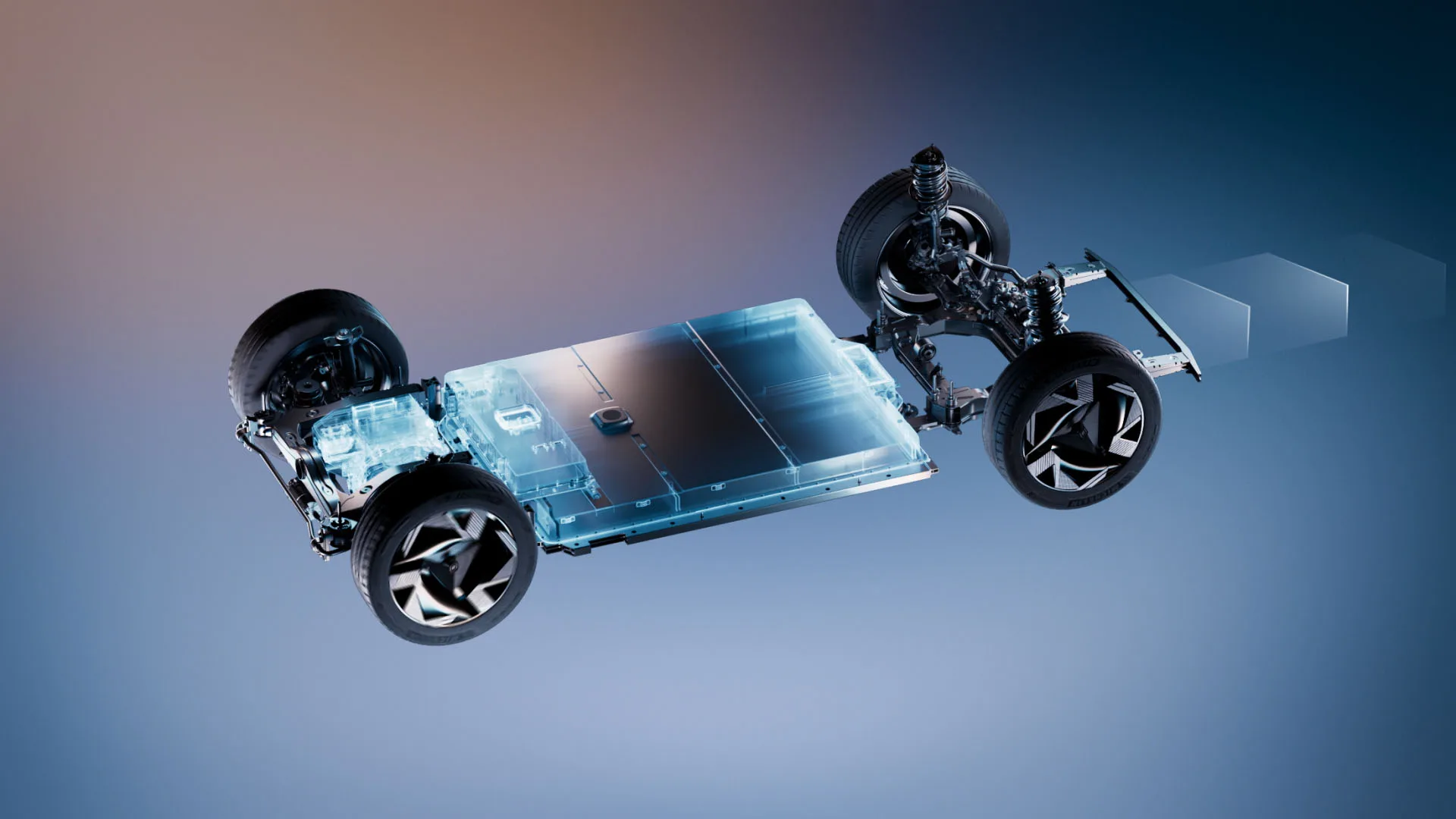
 Renault talks about a next-generation electric platform with 800V architecture, up to 750km WLTP range, a 4×4 version capable of towing up to two tonnes, and even an electric range-extender variant claiming up to 1,400km total range.
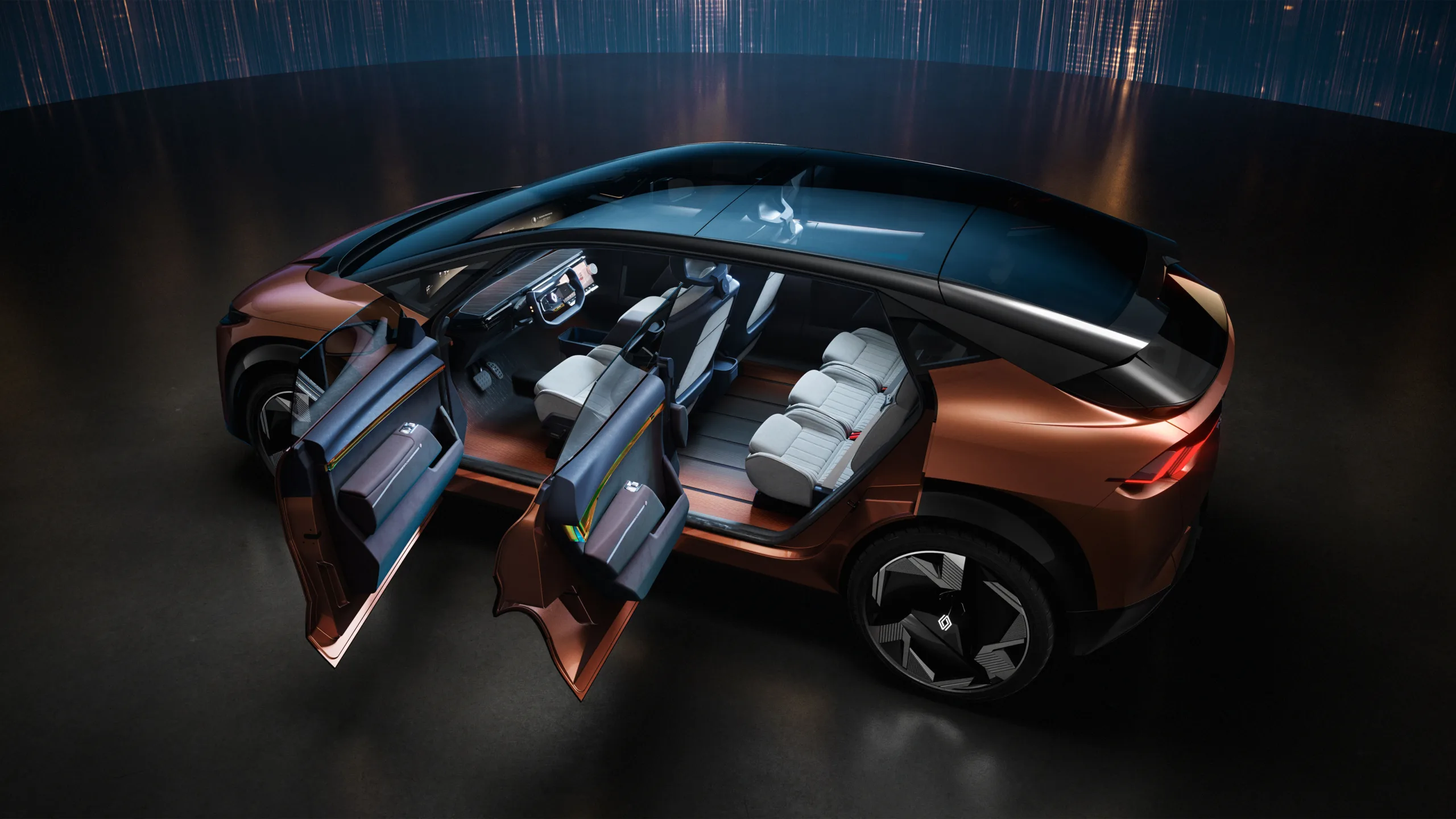
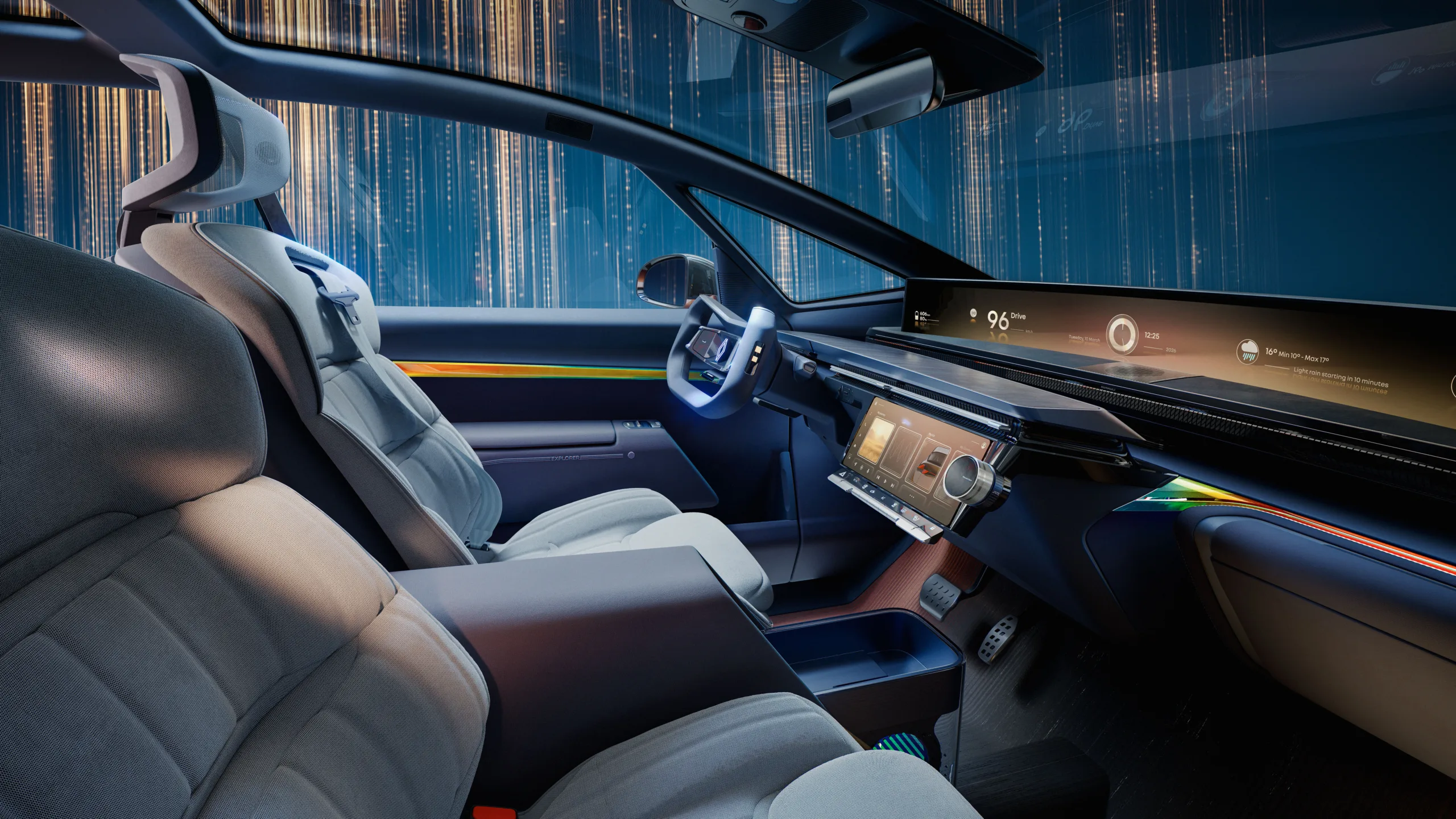
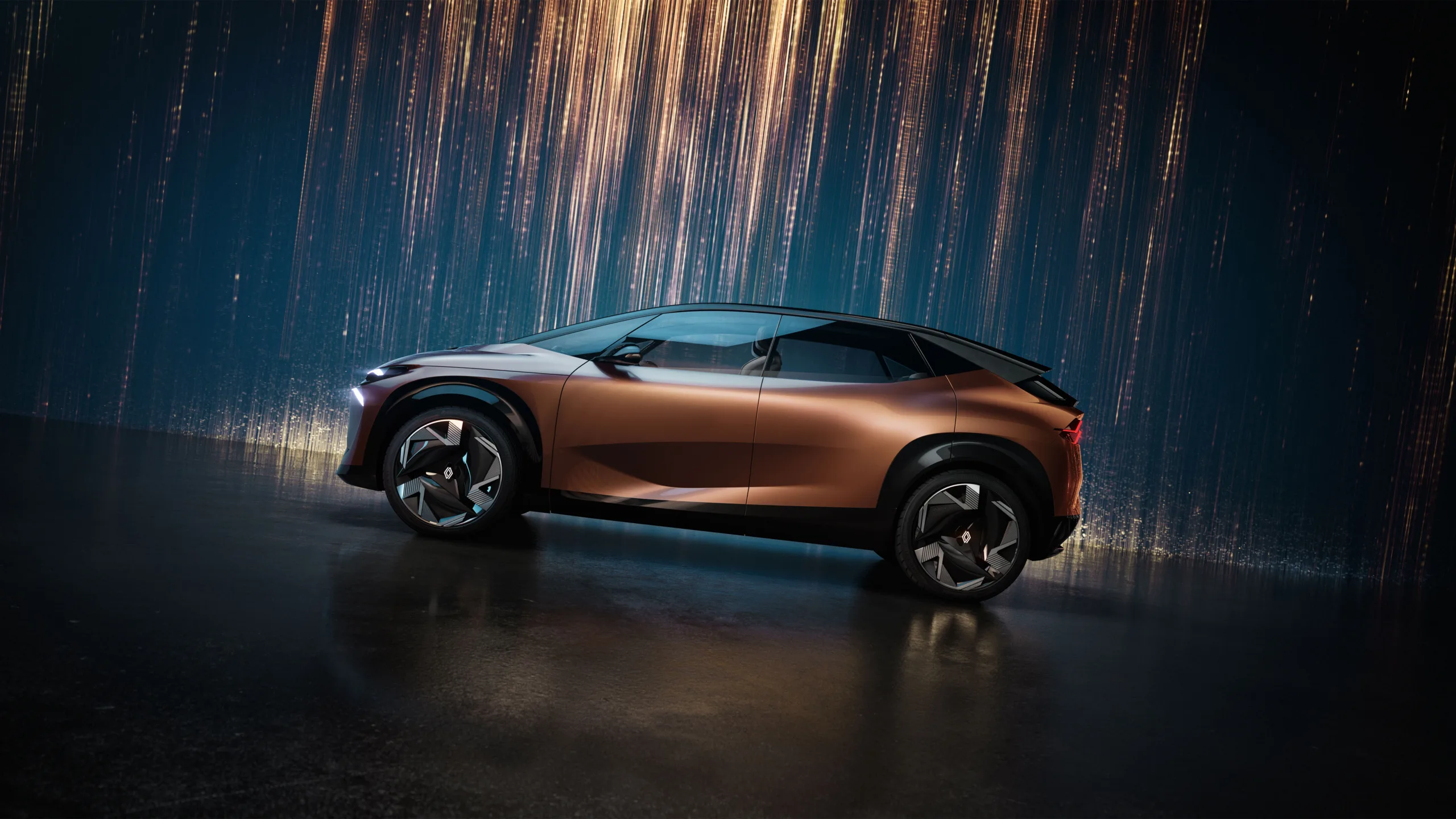
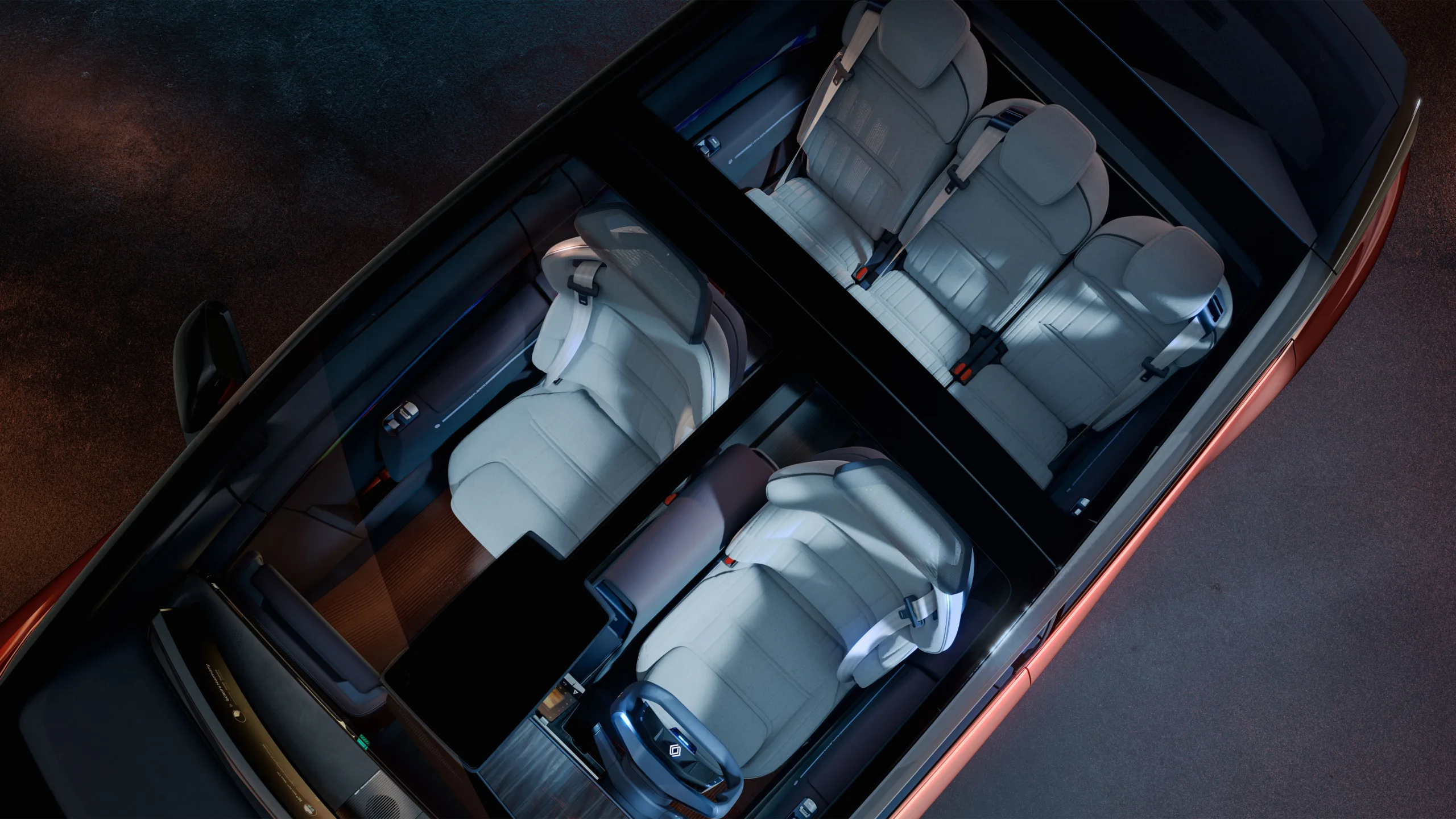
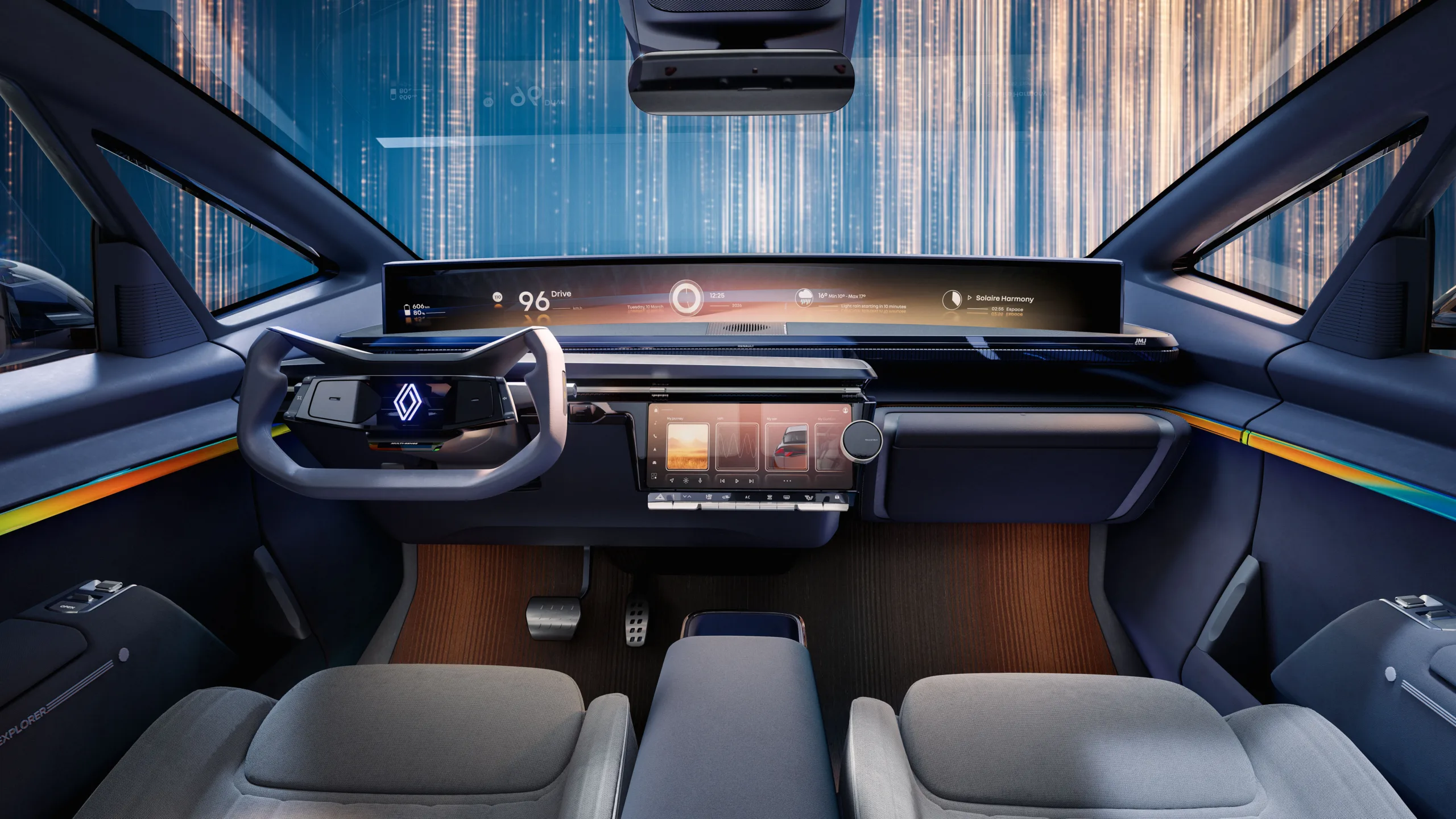
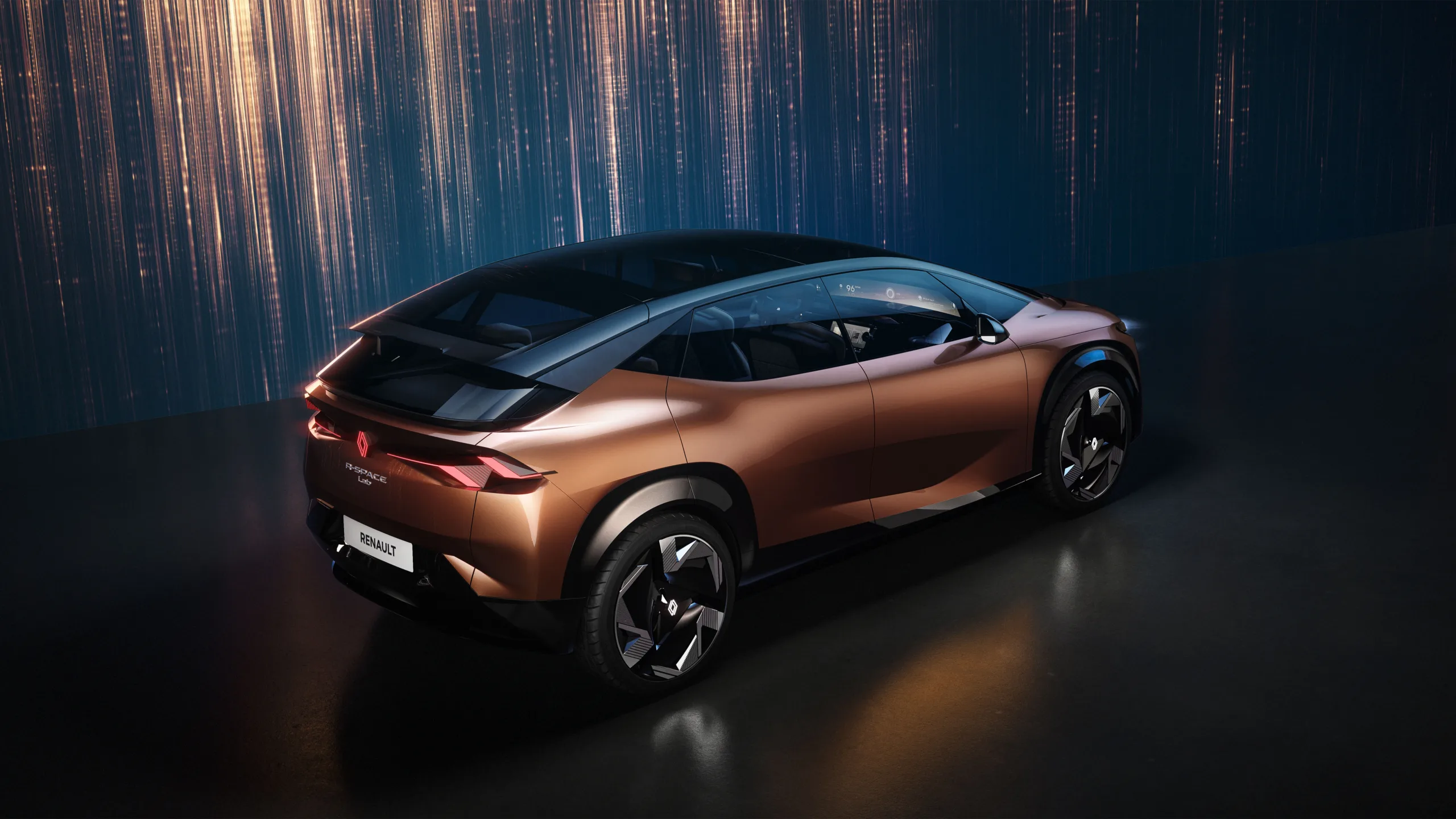
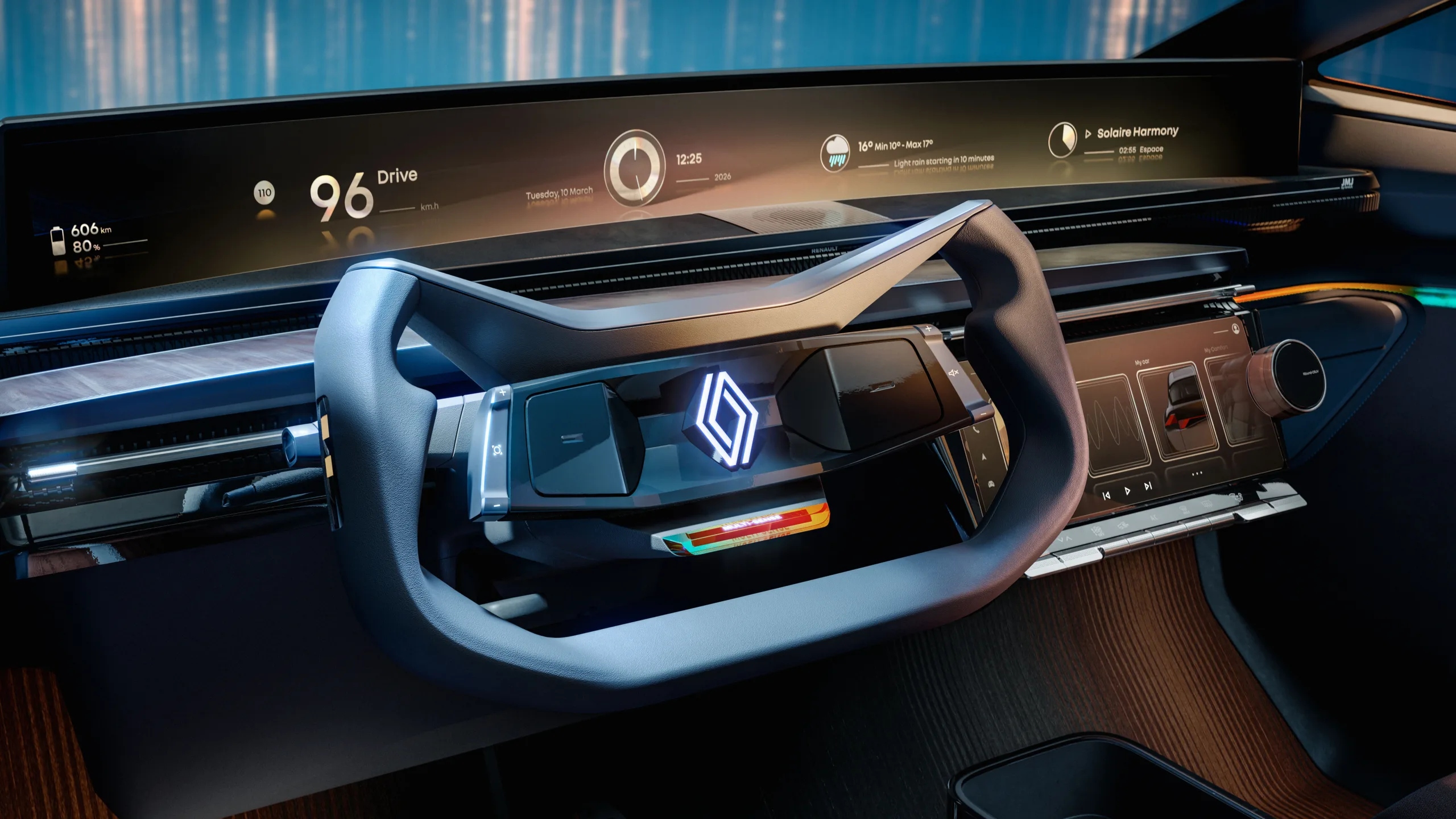
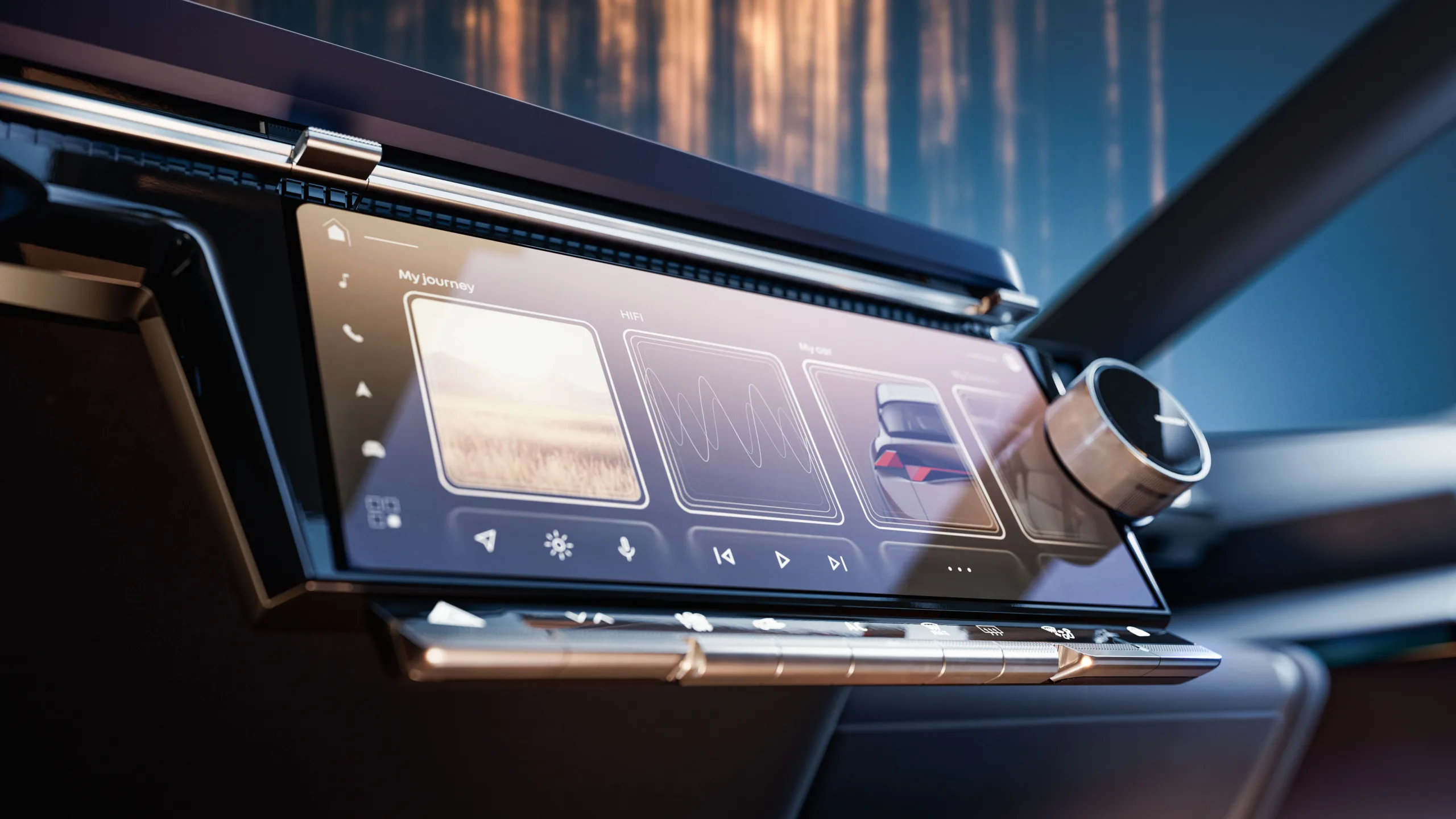
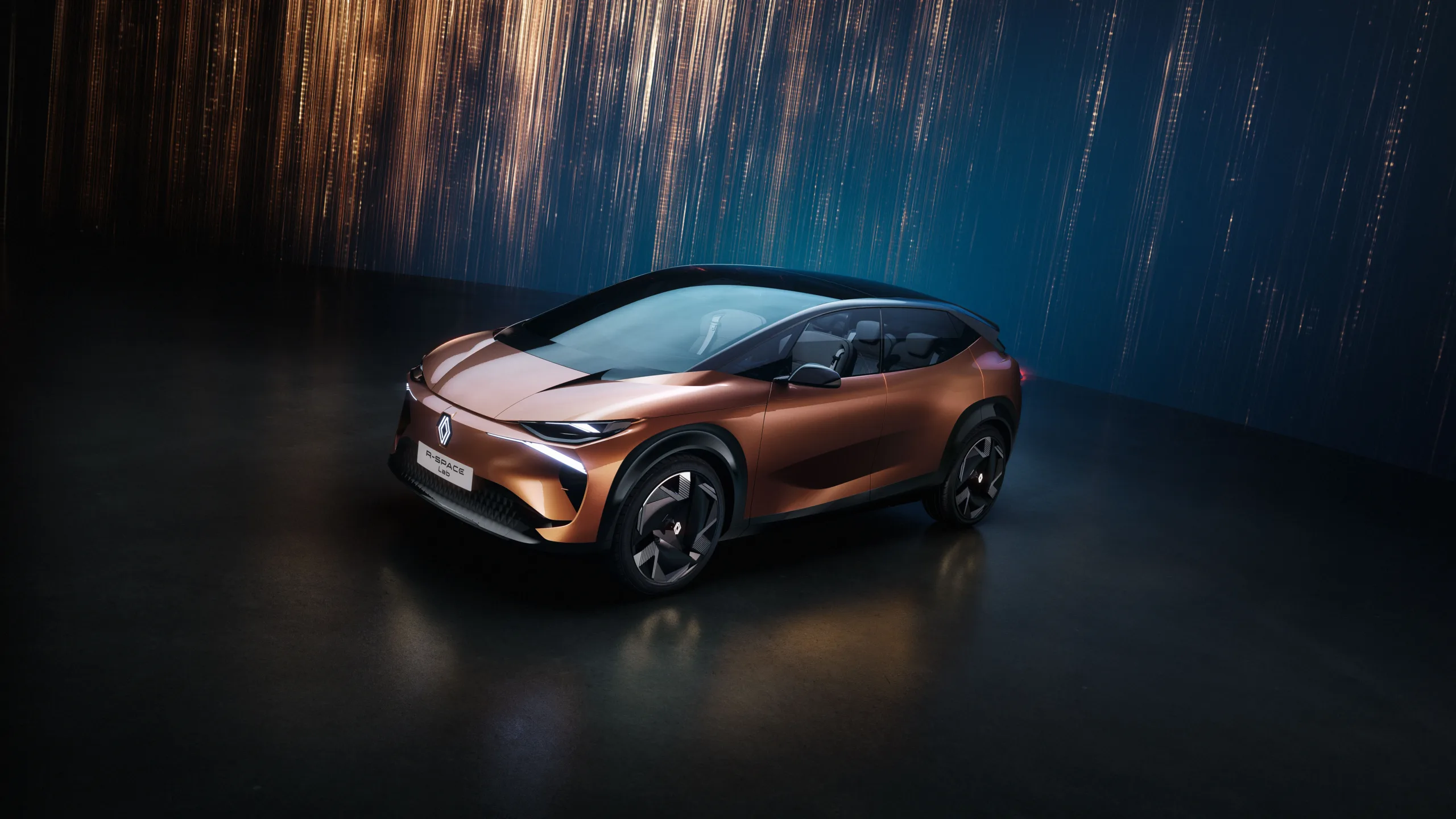
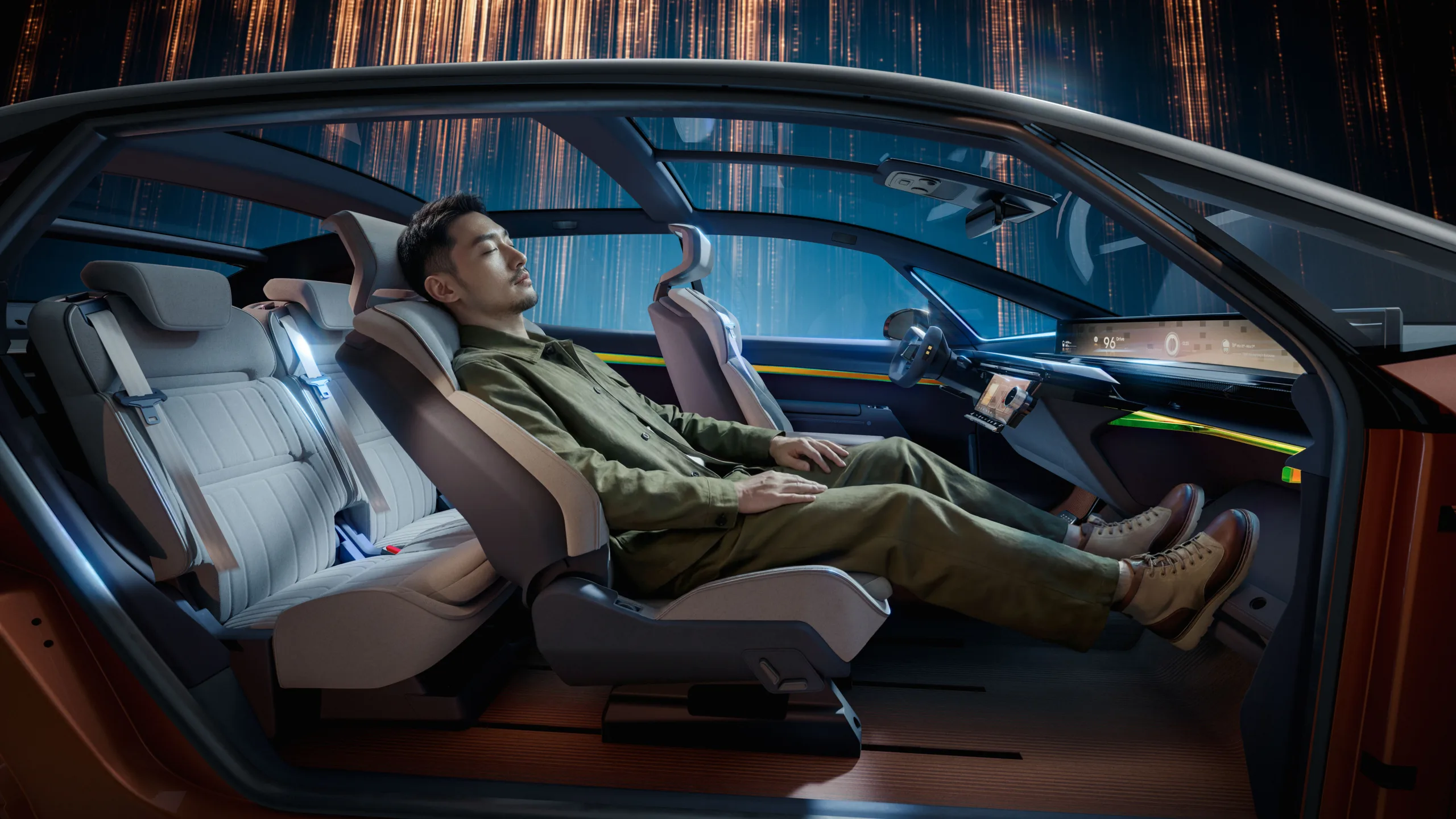
There is also R-Space Lab, a 4.5-metre “voitures à vivre” concept that explores flexible interiors, panoramic displays, steer-by-wire and AI-based safety coaching.
Interesting, yes. But Renault itself said it is not a direct preview of a production model, so consider it at best a design and technology manifesto rather than a near-term product. That hasn’t stop some motoring hacks from speculating it could hint at a future Espace.
Bridger is proof of Renault’s intended direction, where India gets a starring role. Europe keeps its electrified core. Hybrids remain in play. And Renault wants growth without pretending every market is ready for the same solution at the same pace.
That is sensible enough. Delivering all of it, at prices buyers can actually absorb, is the harder part.