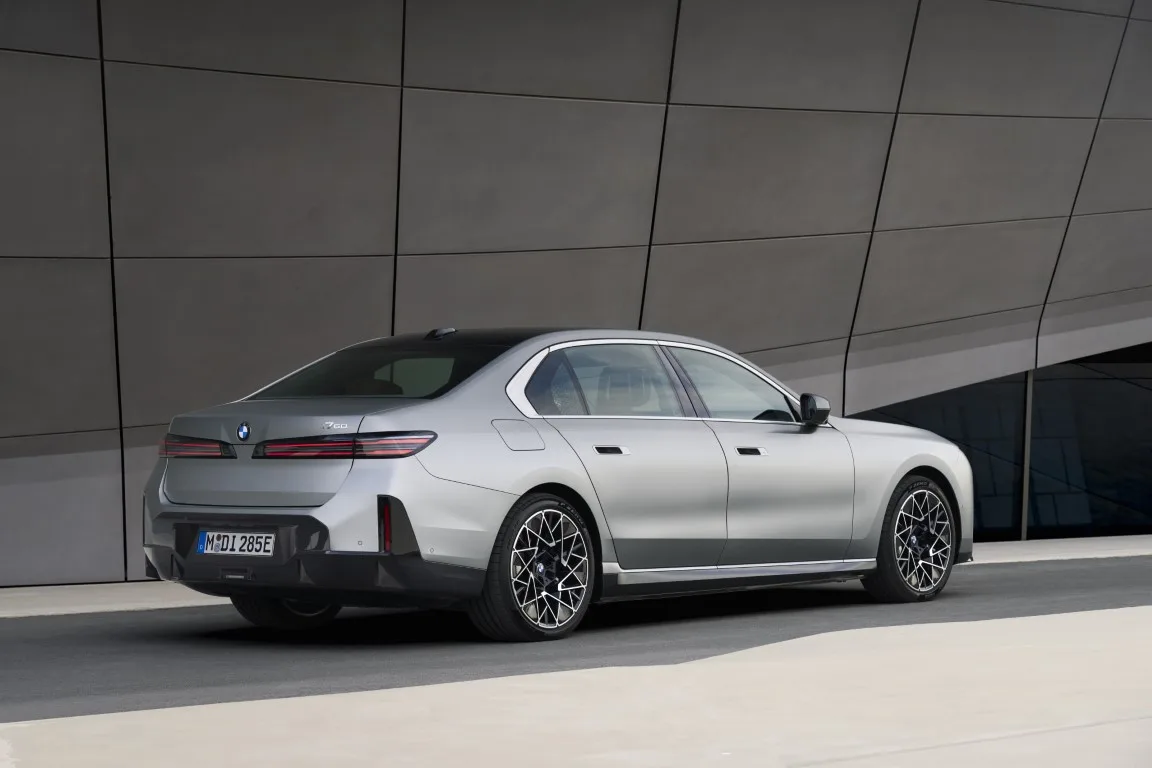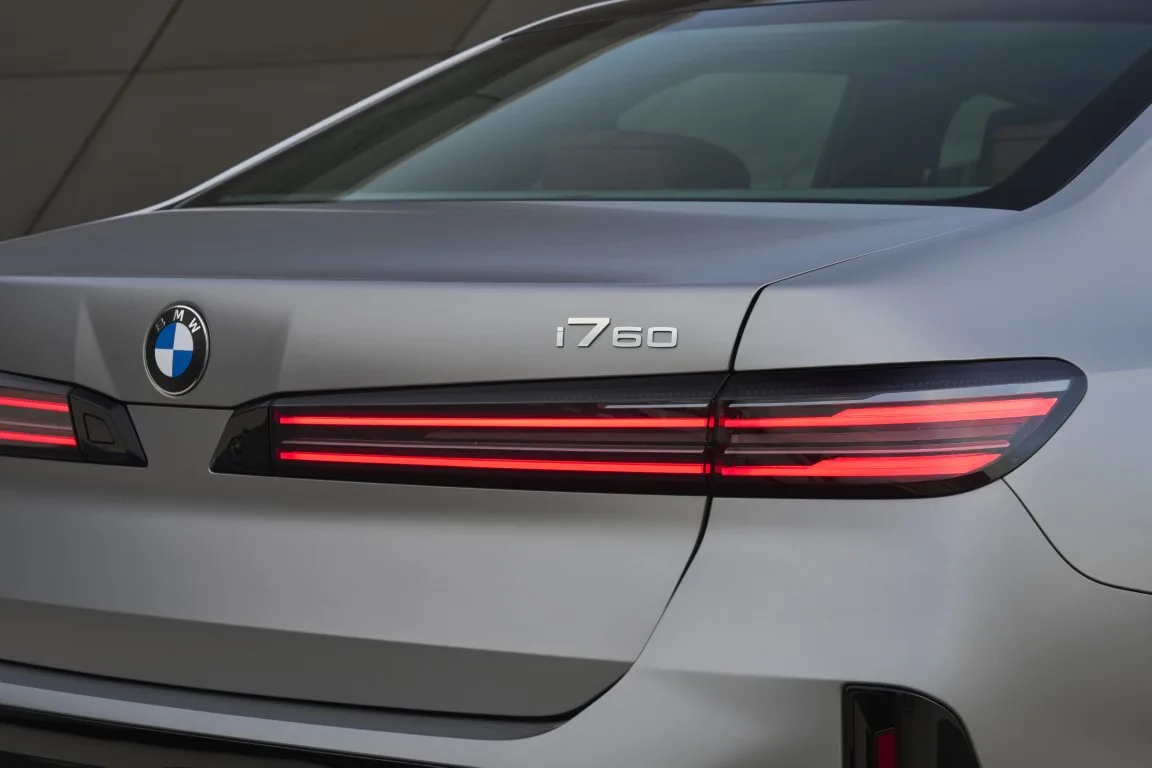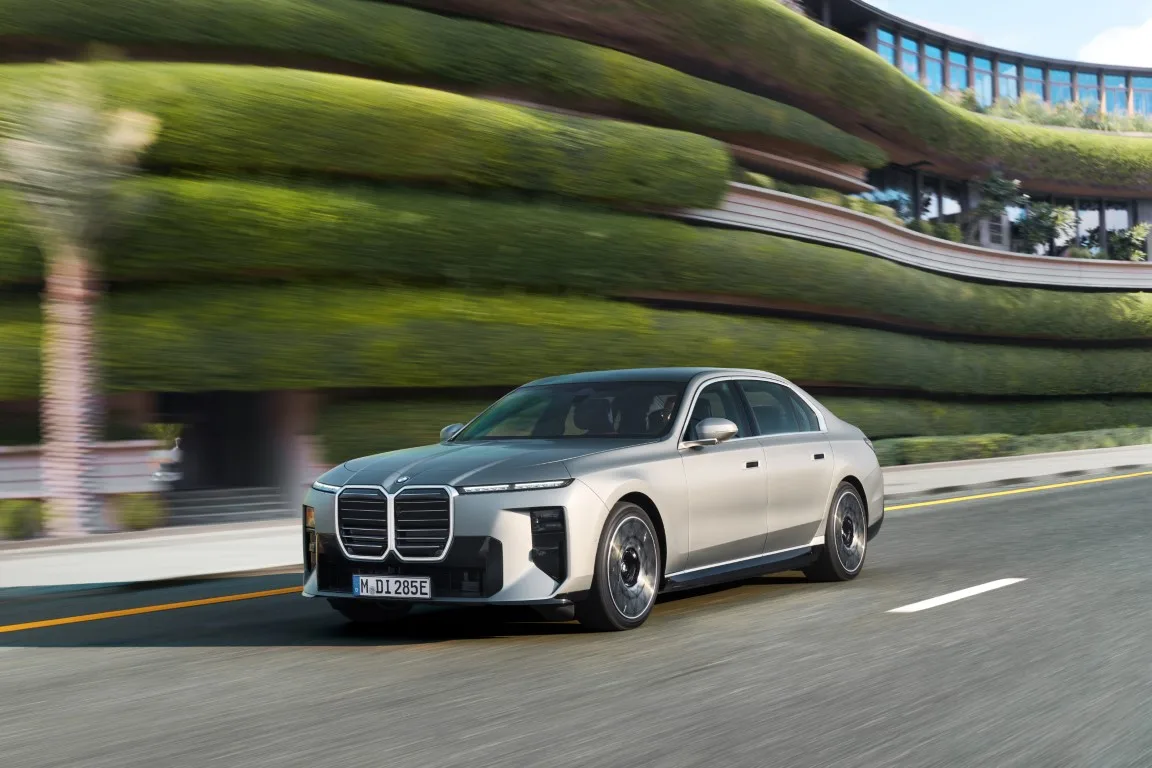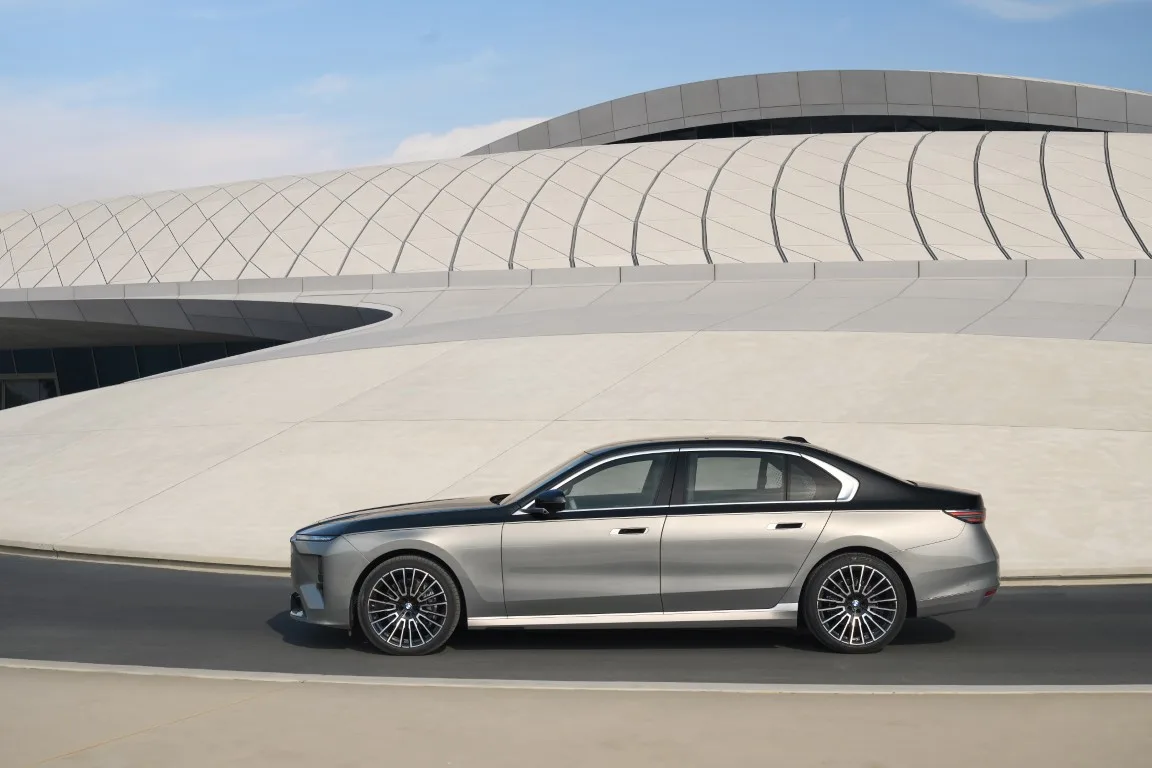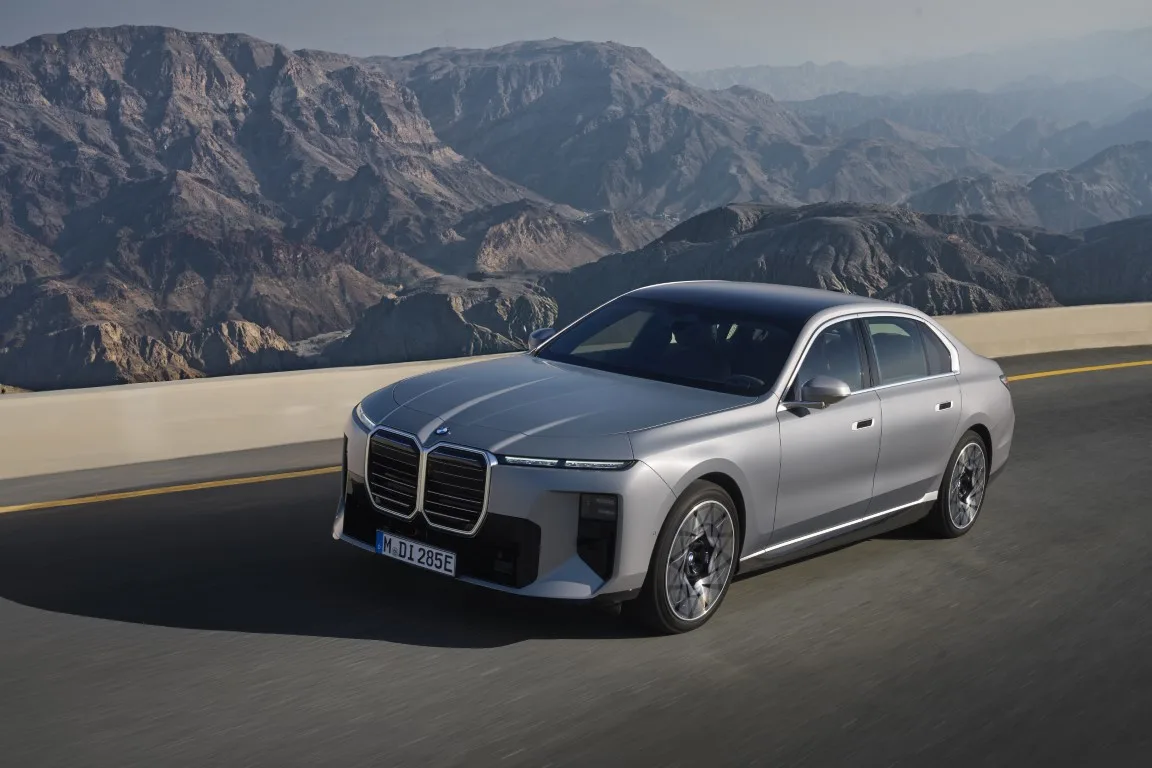










BMW has given the 7 Series a far bigger update than a routine facelift.
The styling has been revised, but the main changes are inside the car.
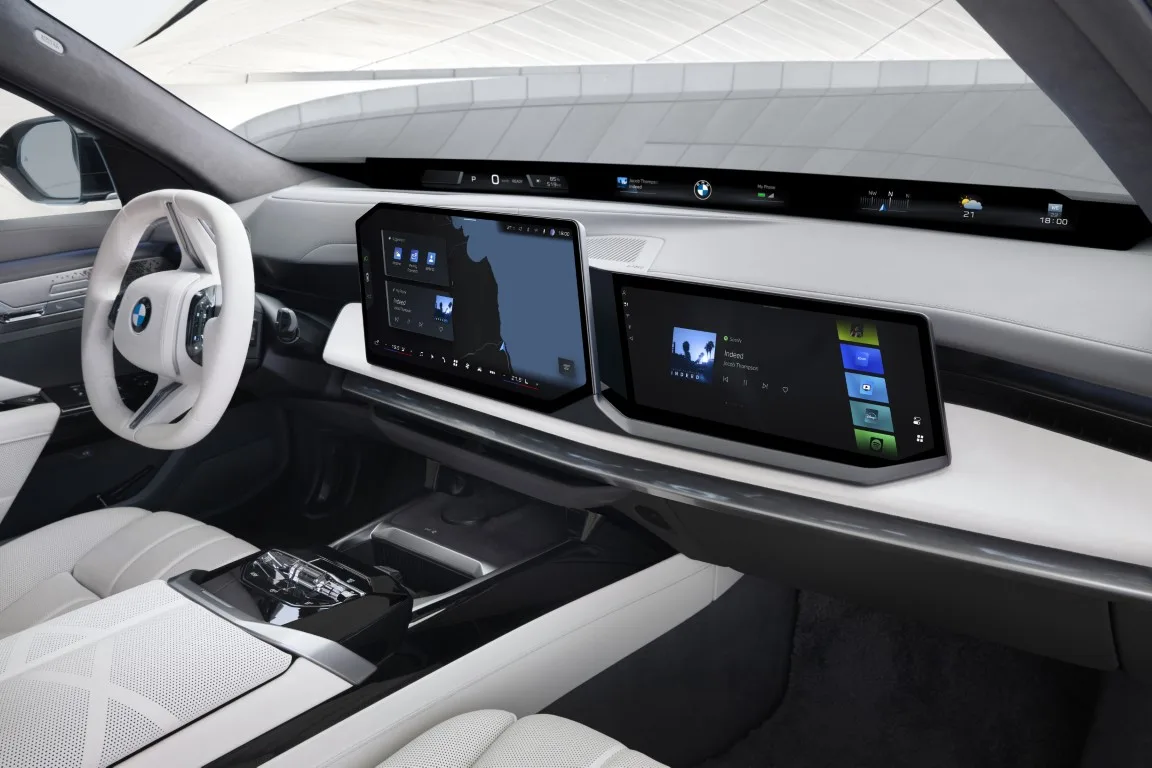
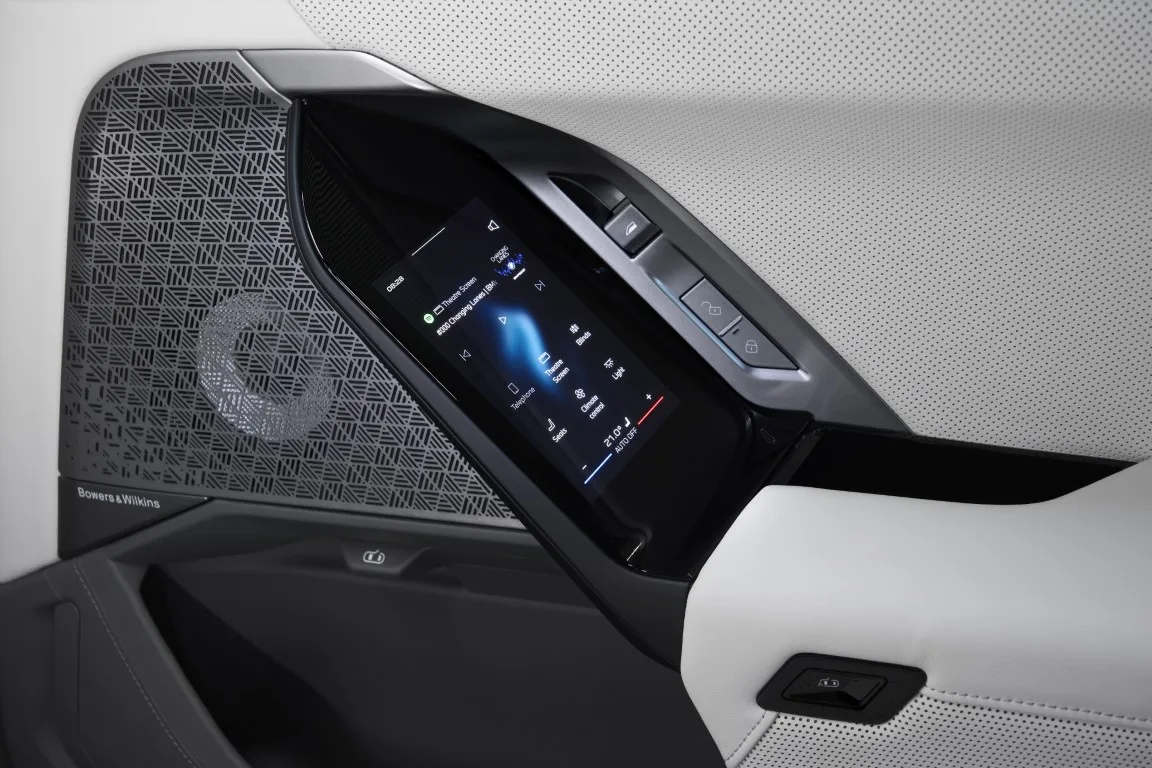
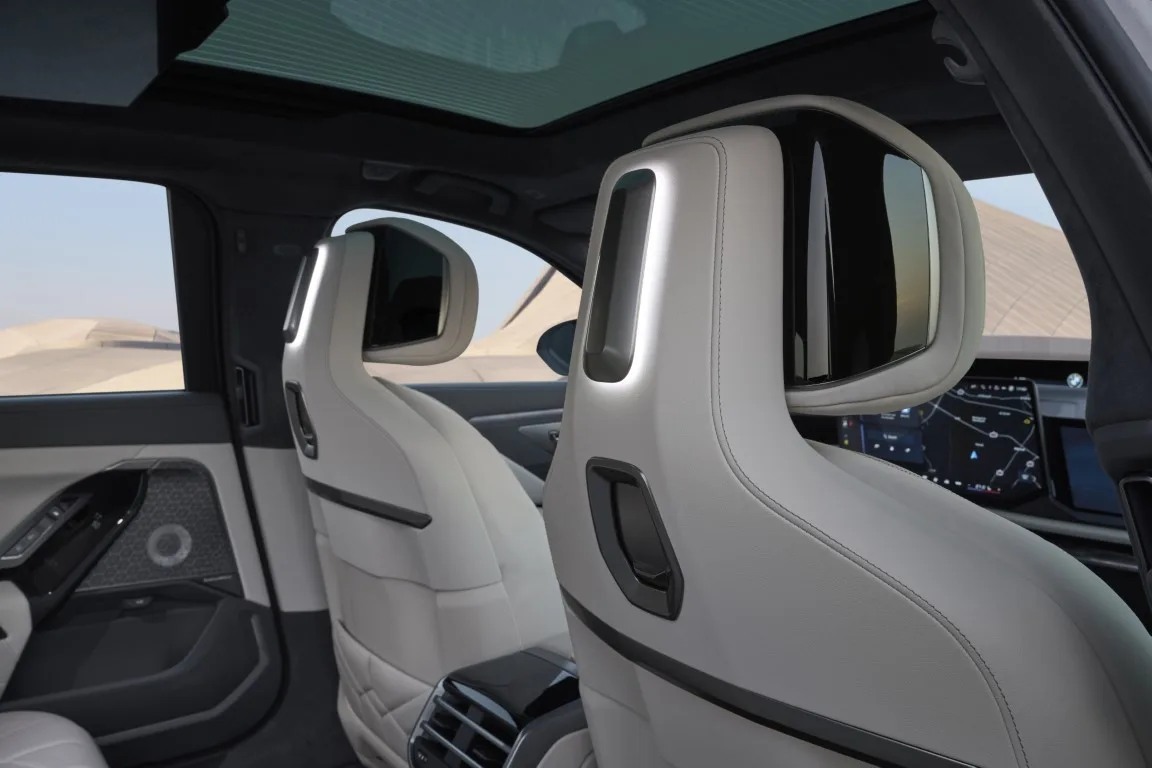
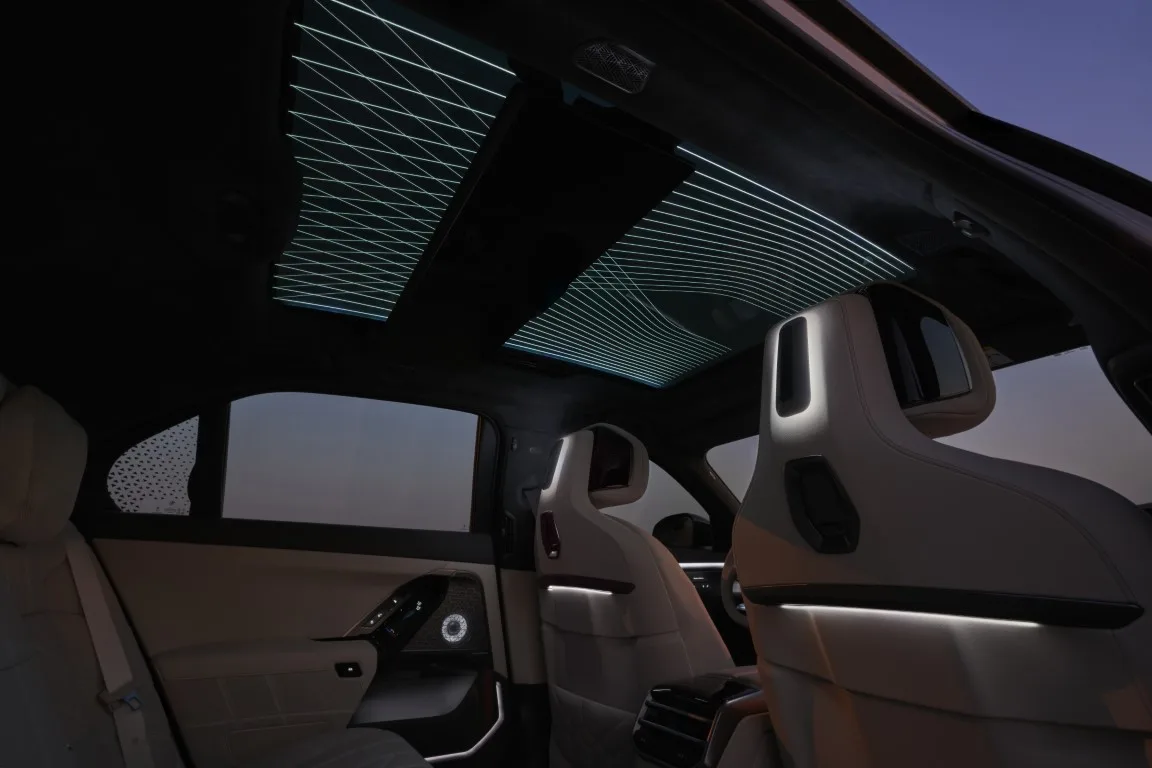
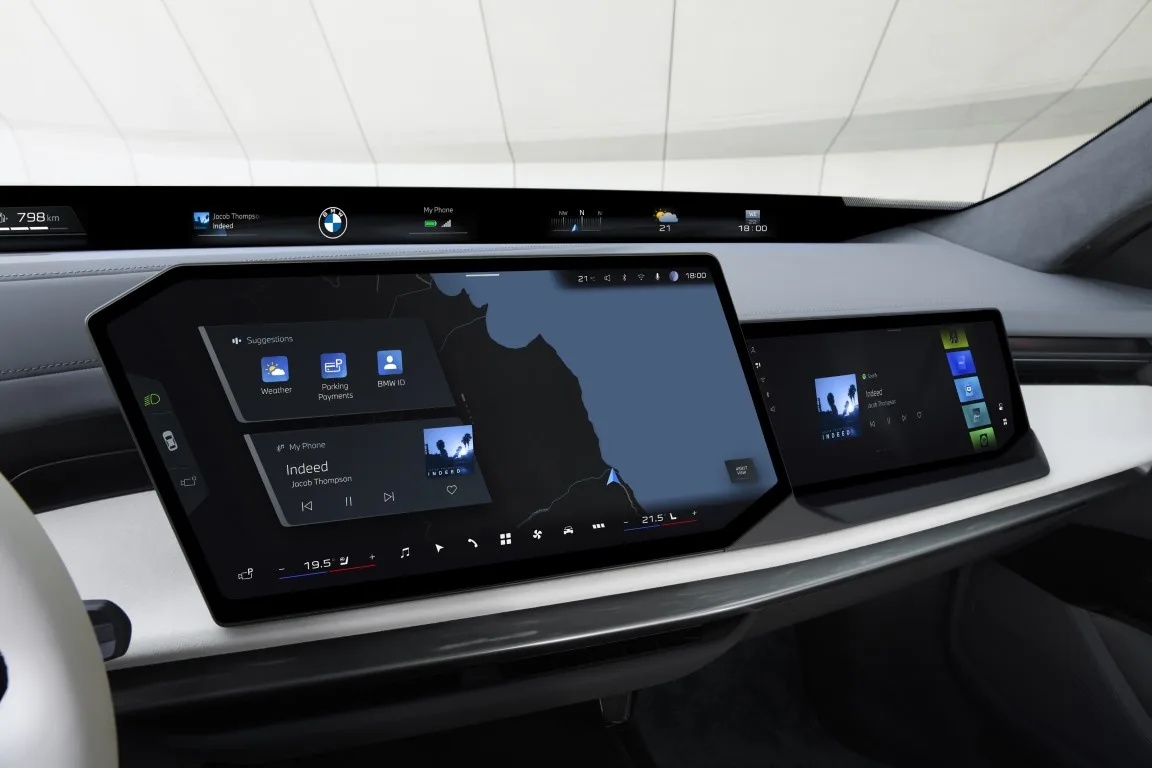
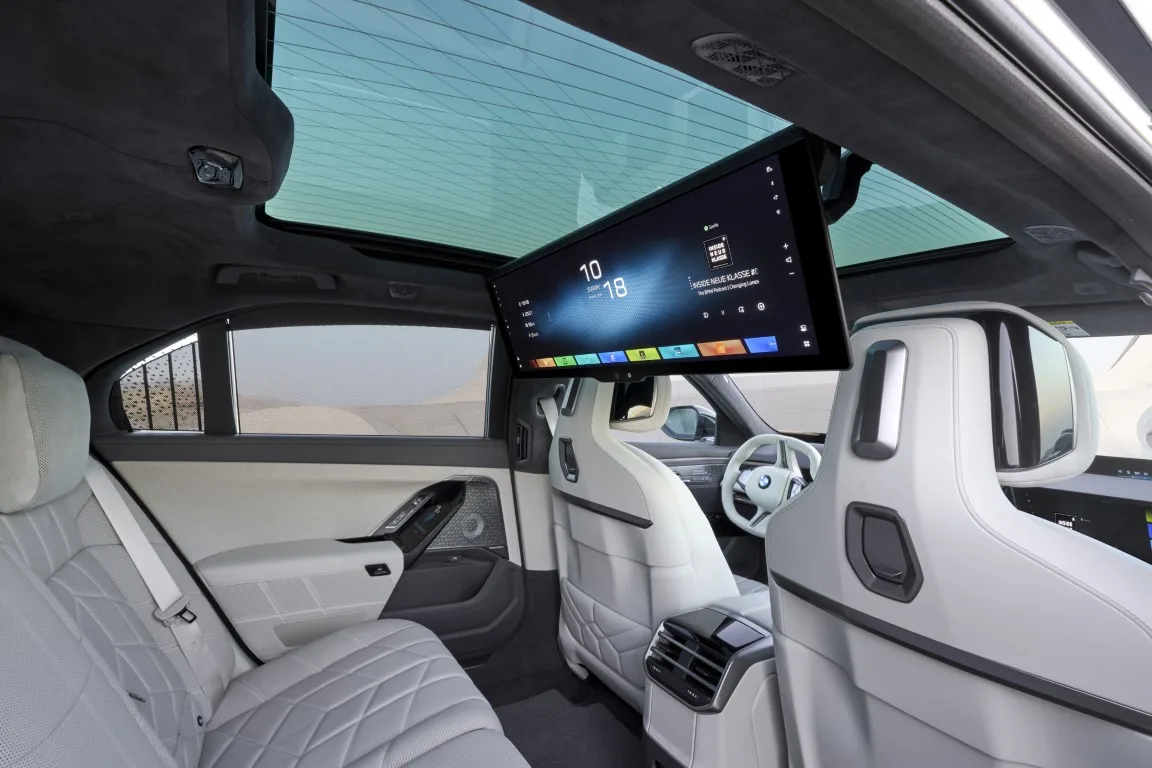
The flagship sedan picks up BMW Panoramic iDrive, a new BMW Passenger Screen, an upgraded BMW Theatre Screen for the rear, and a cabin with even more screens, lighting and high-end materials.
BMW is also folding in technology first seen in its Neue Klasse programme, which makes this more than a cosmetic refresh.
The dashboard is the biggest shift. BMW said the new 7 Series is the first luxury sedan to bring in Neue Klasse technologies, and that shows in the interface.
The car drops the traditional instrument binnacle in favour of the wide panoramic display at the base of the windscreen, while the centre touchscreen and passenger-side display take over more of the cabin’s digital workload.
BMW said the Passenger Screen is standard, which is a notable move in this class, not least because rivals often make that sort of thing an option.
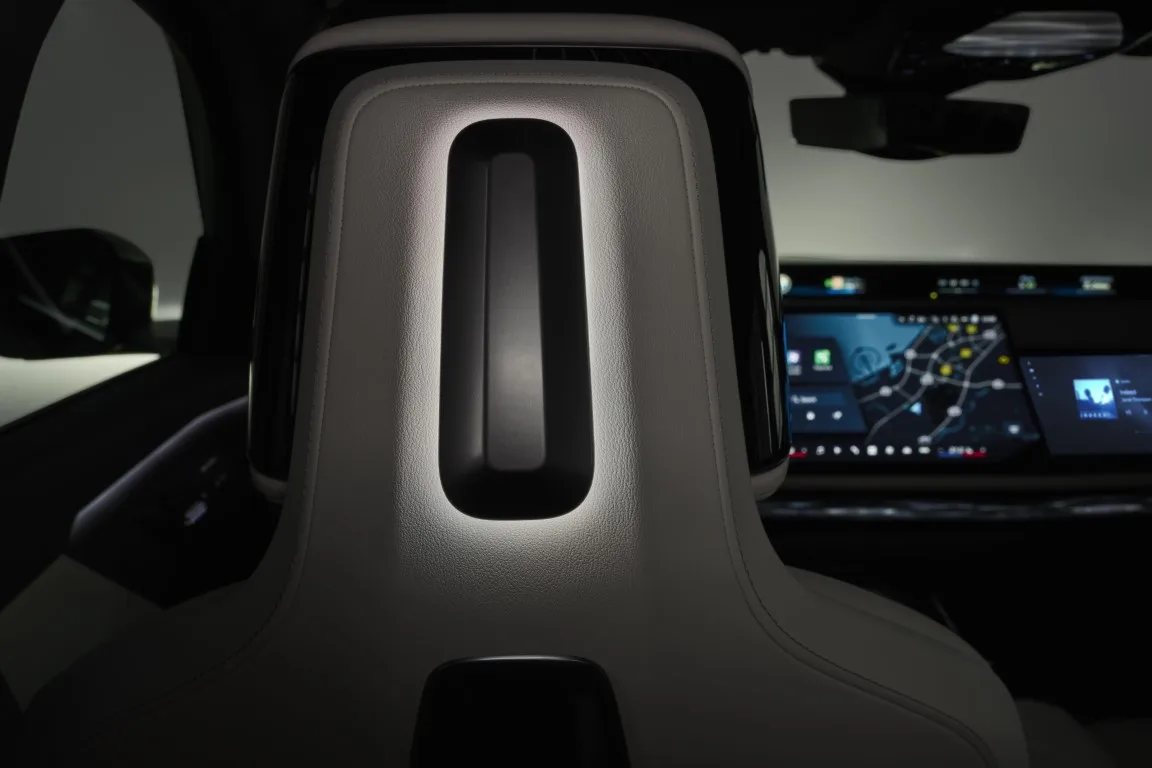
Rear-seat passengers get even more attention than before. BMW said the updated Theatre Screen now supports 8K streaming, gaming and video calls, while the audio setup includes Bowers & Wilkins and Dolby Atmos.
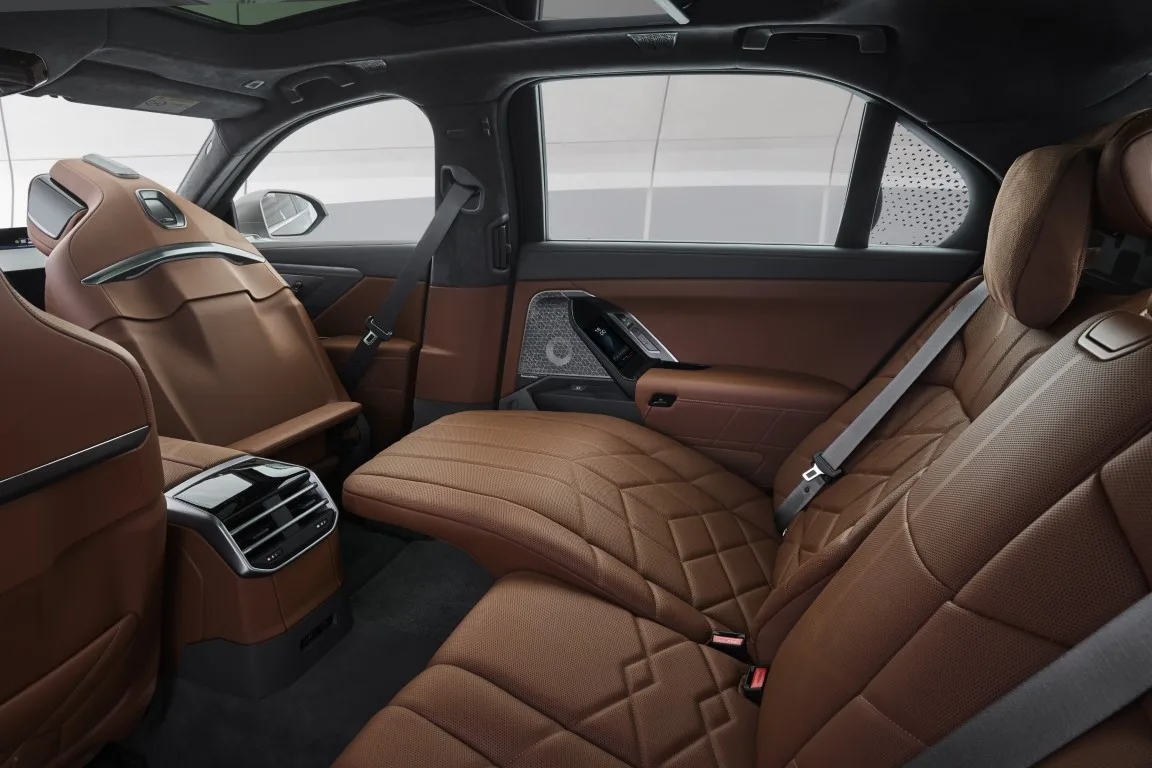
The car also keeps the familiar luxury cues expected of a modern 7 Series, including the Executive Lounge option, four-zone climate control, a panoramic glass roof and the Travel & Comfort system.
In other words, BMW is trying to make the car feel just as impressive from the second row as it does from the driver’s seat.
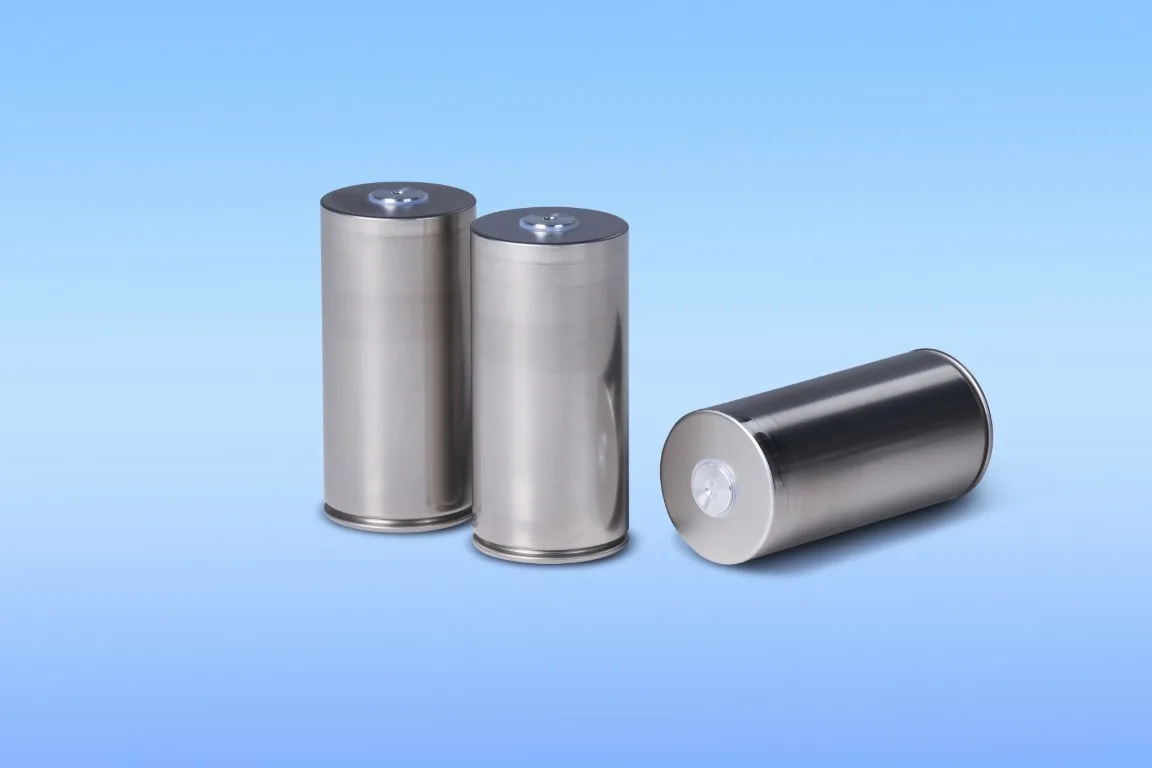
There are changes under the skin too. BMW said its fully electric variants now offer more than 720km of WLTP range, helped by sixth-generation BMW eDrive and new cylindrical battery cells.
That is one of the headline technical upgrades in the release, and it gives the i7 a healthier number to put in front of buyers who still see large luxury EVs as long-distance compromises.
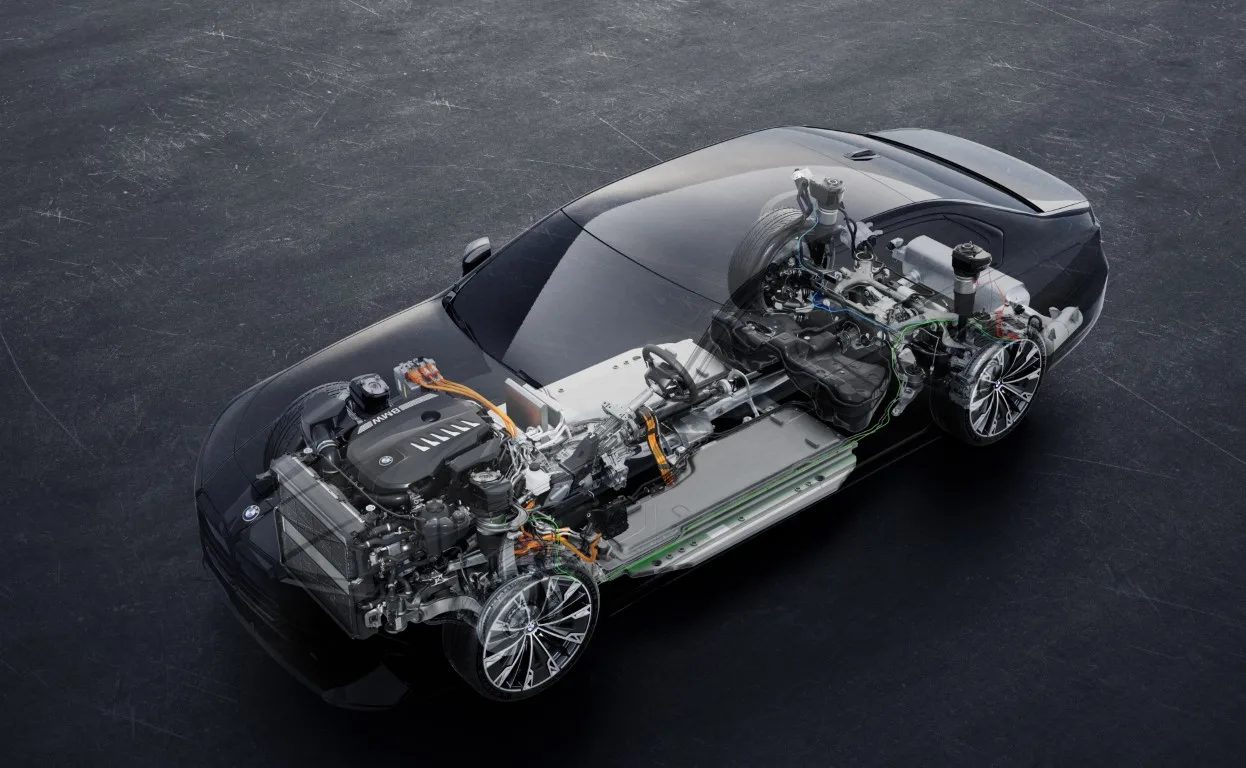
BMW is also keeping the 7 Series broad in powertrain terms, with mild-hybrid combustion models, plug-in hybrids and full EV versions all continuing in the line-up.
For the combustion side, the line-up includes the 740, 740 xDrive and plug-in hybrid 750e xDrive, while BMW said more M Performance variants are part of the wider range.
BMW is also putting more emphasis on driver assistance. The updated 7 Series gets what the company calls BMW Symbiotic Drive, along with Level 2 assistance features, hands-off motorway driving at up to 130kph in many European markets, and navigation-linked city assistance.
As usual with these systems, availability will vary by market, and some features will arrive in stages. That nuance is worth keeping in mind, because BMW’s global release describes a broad technology set rather than a single worldwide equipment list.
BMW said adaptive two-axle air suspension remains standard, with options including Integral Active Steering and roll stabilisation. For a car like this, that is exactly what you would expect.
The 7 Series has long tried to walk both sides of the line, part driver’s car, part rolling lounge, and BMW is plainly sticking with that formula.
Factory 22-inch wheels are newly available as well, which tells you the brand still wants visual drama to sit alongside the comfort pitch.
In general, BMW has not reinvented the 7 Series, but it has used this update to drag its flagship closer to the Neue Klasse era before the next full generation arrives.
The bigger screens, the reworked cabin, the longer i7 range and the heavier digital push are the real substance here.