





Honda has been quietly building anticipation for its Super-ONE electric vehicle, and with the prototype’s unveiling at the Japan Mobility Show in October 2025, we have a clearer picture of what the Japanese brand intends as its next chapter in affordable, fun urban mobility.
Chances are good Honda Malaysia may bring this model in, as a test mule had been seen undergoing trials on Malaysian roads last year.
What strikes you immediately about the Super-ONE story is how deliberately Honda has moved away from the kei car formula that underpins the N-Series family it draws inspiration from.
The production model uses a wider, lightweight platform that intentionally exceeds kei car dimensional limits — a meaningful signal that Honda is chasing a broader audience this time.
Japanese buyers will see it first in 2026, with the UK market to follow (where it’ll wear the name Super-N), alongside rollouts in other Asian markets.
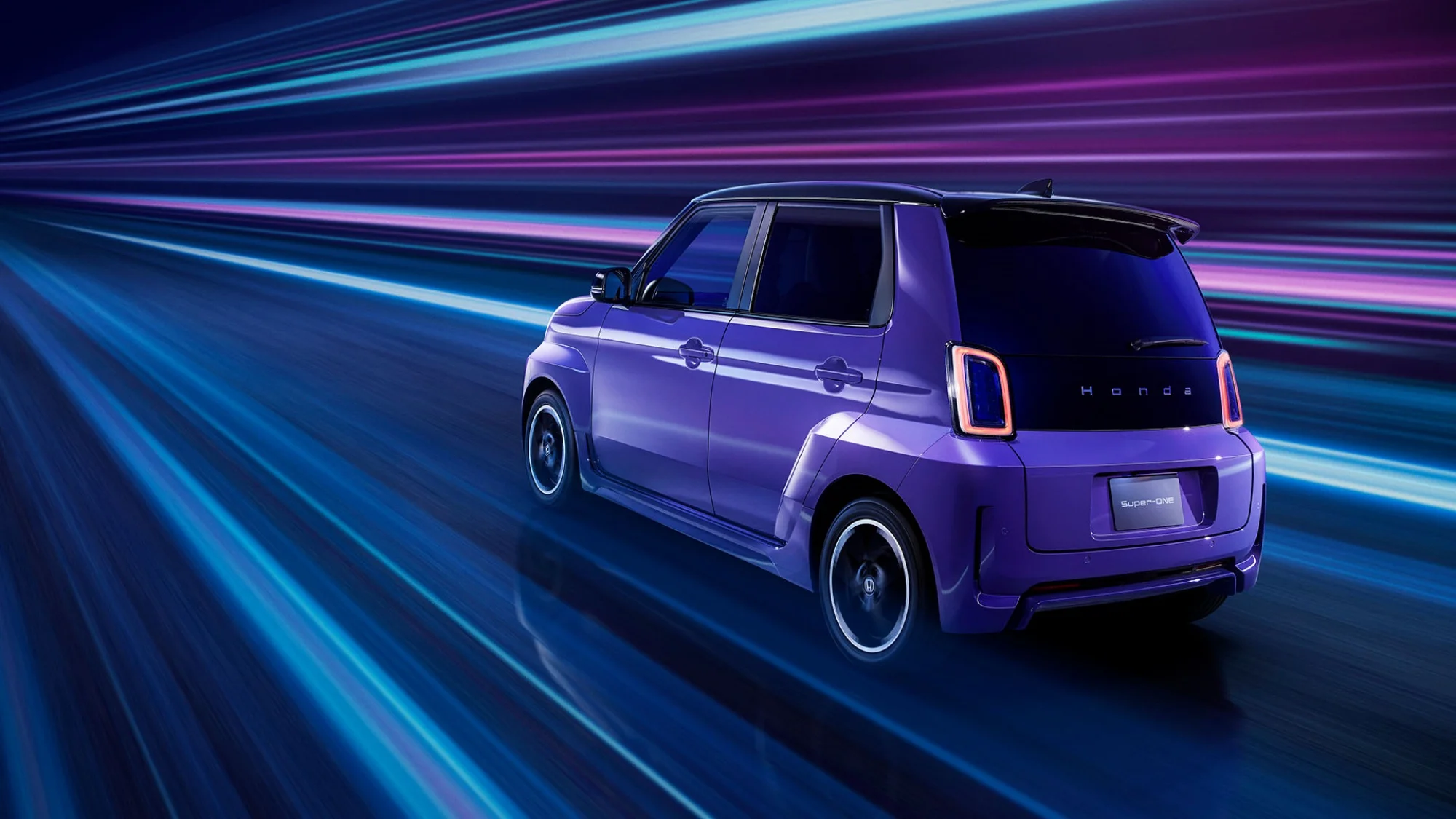
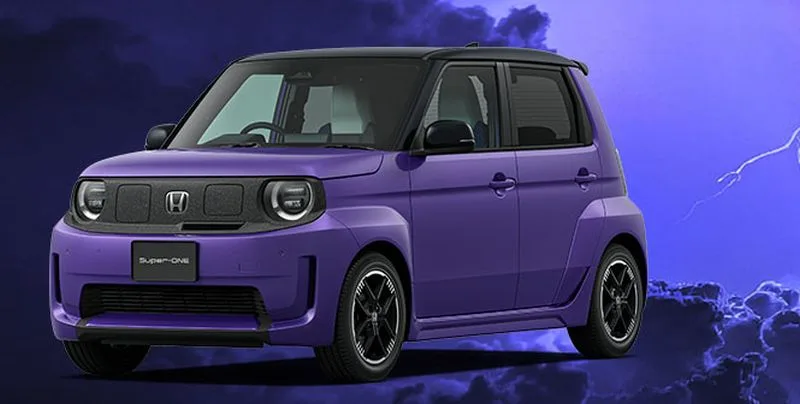
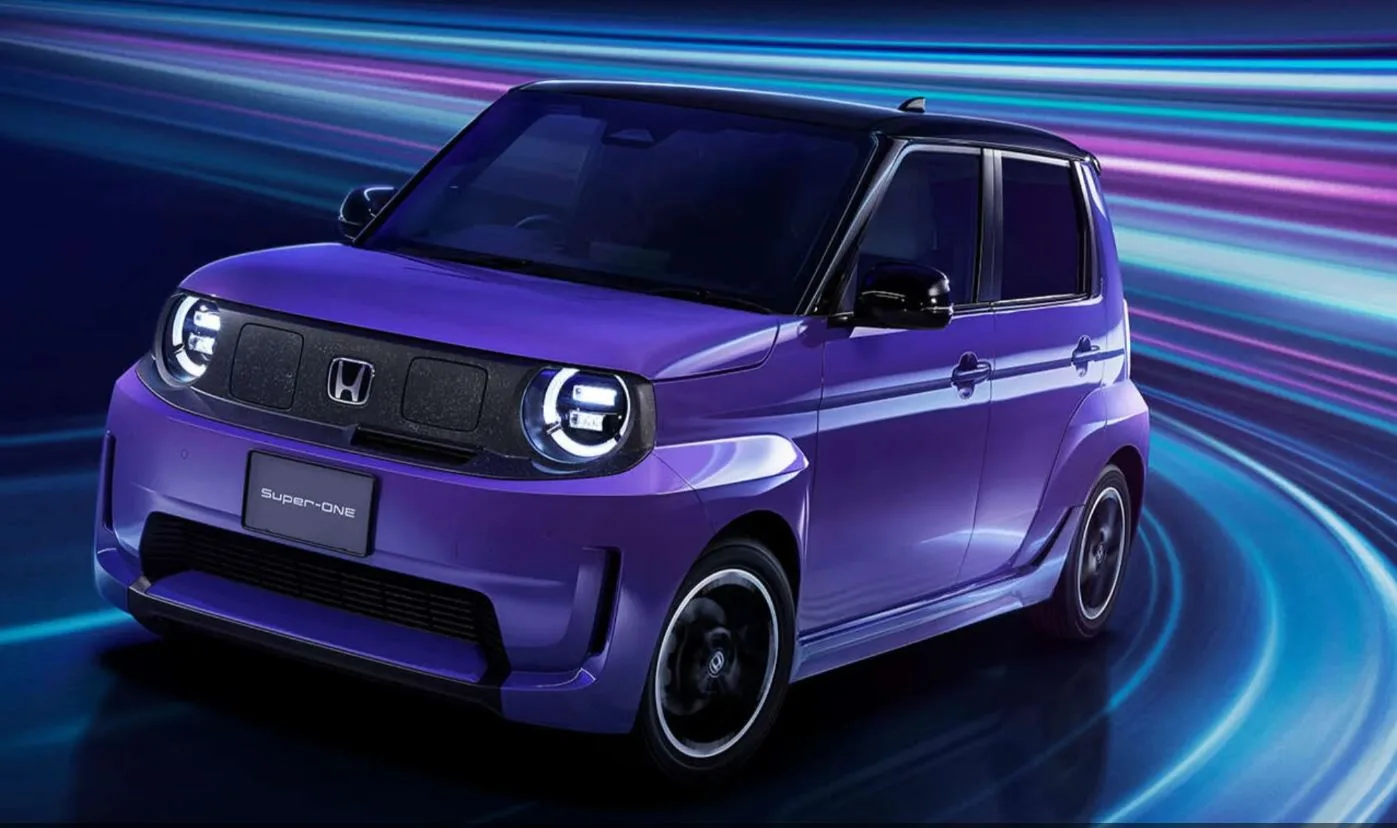
The exterior isn’t simply the prototype with the sharp edges smoothed off. Production-spec details confirmed by Honda include distinctly blistered fenders — wider than anything in the current N-Series lineup — sitting over 15-inch aluminium wheels.
It’s a purposeful look, and Honda clearly wants it to read as sporty without veering into the kind of aggressive styling that dates quickly.
The new Boost Violet Pearl paint option has attracted plenty of attention, and rightly so. Honda says the colour was inspired by “blue jet” lightning — the rare atmospheric electrical phenomenon that occurs above thunderstorm clouds rather than between cloud and ground.
Whether or not you find that backstory convincing, the colour itself is genuinely distinctive and a departure from the safe metallics that tend to dominate this segment.
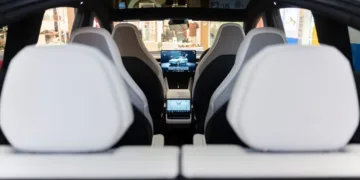
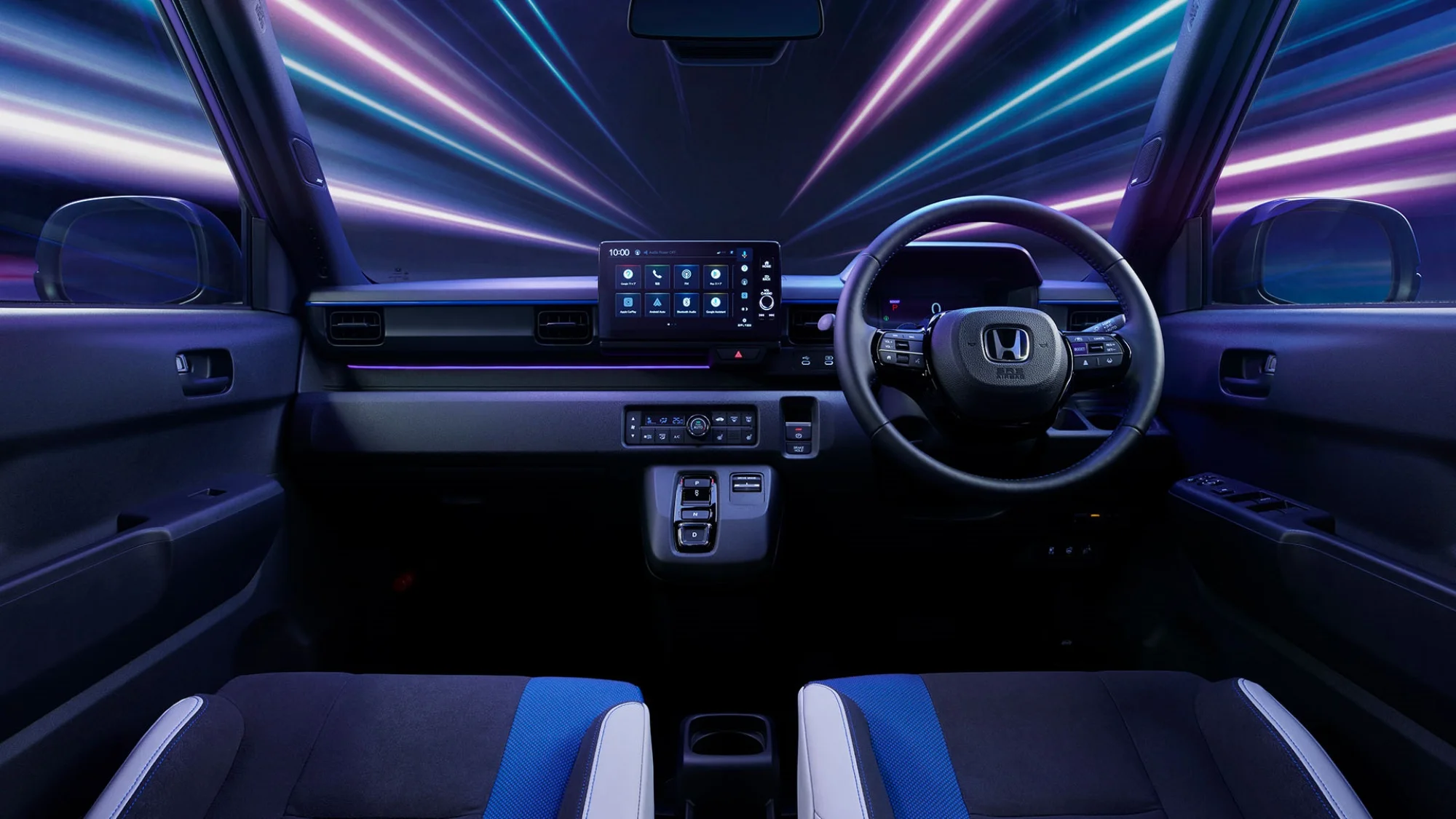
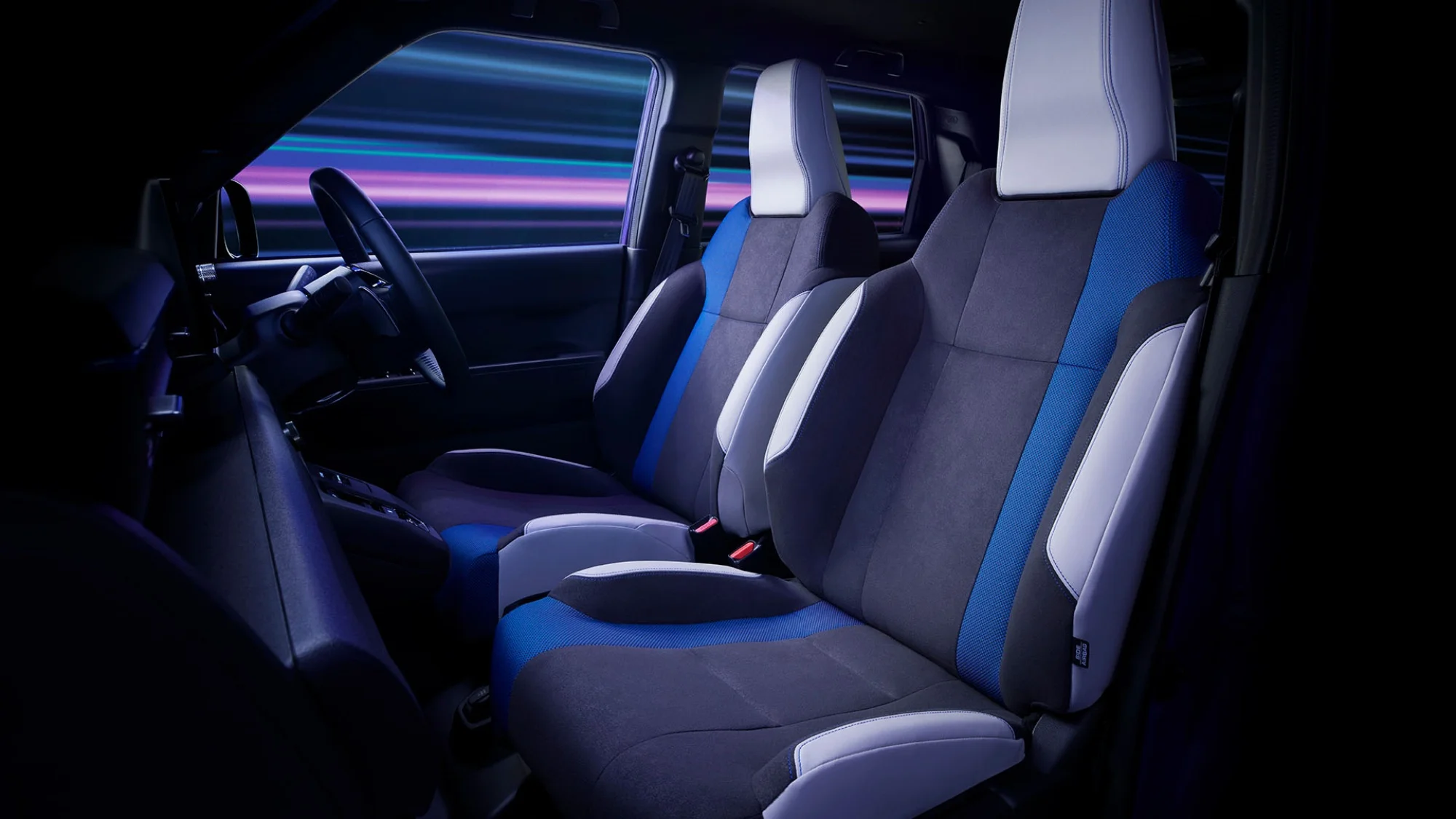
Honda has confirmed sports seats with asymmetric blue interior trim — an interior design choice that gives the cabin some visual energy without feeling overdone.
Beyond aesthetics, the confirmed tech includes Honda’s own infotainment and instrumentation setup.

The Super-ONE features a dedicated 7-inch TFT instrument cluster and a BOSE premium sound system with eight speakers for richer audio.
The most interesting thing about the Super-ONE, and the element that will either win people over or leave them cold, is what Honda calls Boost Mode (previewed under the “e: Dash BOOSTER” concept name on the prototype).
Activate it and the motor output climbs to a confirmed peak of 70 kW (94hp) with 162Nm of torque — respectable numbers for a compact urban EV.
But Honda goes further than raw output. Boost Mode also synchronises a simulated seven-speed shift feel with Active Sound Control to create something closer to the sensory experience of driving a conventional sporty car.
It’s a deliberate attempt to give EV driving some of the tactile, auditory engagement that enthusiasts worry electric powertrains have stripped away. Whether it feels convincing in practice is something we’ll only know behind the wheel, but the intent is clear.
Honda has not confirmed battery capacity, official range figures, charging specifications, or pricing.
The platform’s relationship to the N-One e: — which uses a 29.6 kWh battery and returns up to 295 km on the WLTP cycle — makes a similar battery size plausible for the Super-ONE, though the higher output in Boost Mode may affect real-world range.
Pricing will be critical. The Super-ONE needs to sell at a point where its character justifies the step beyond the kei car alternatives Honda already sells.
Get that right, and there’s a genuine market here — urban drivers who want something with a bit of personality, at a price that doesn’t require a leap of faith.
We’ll update this as Honda confirms further details ahead of the 2026 launch.