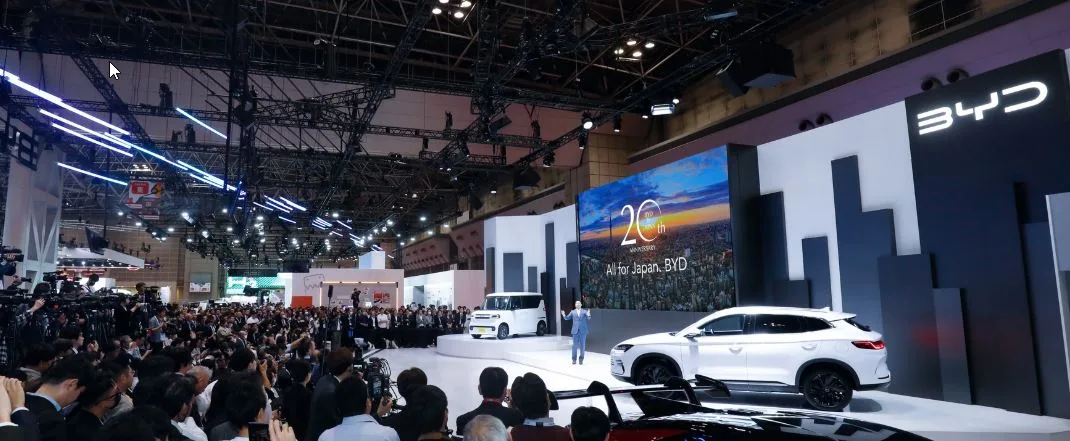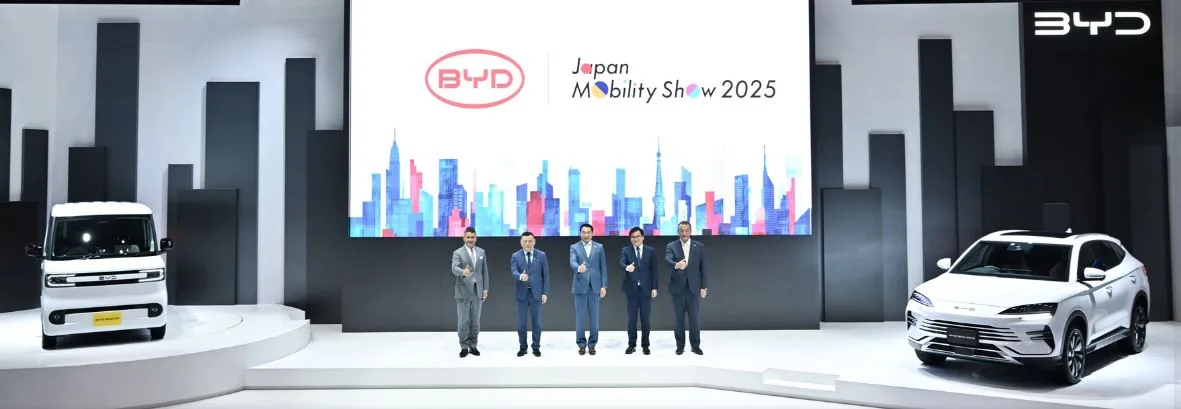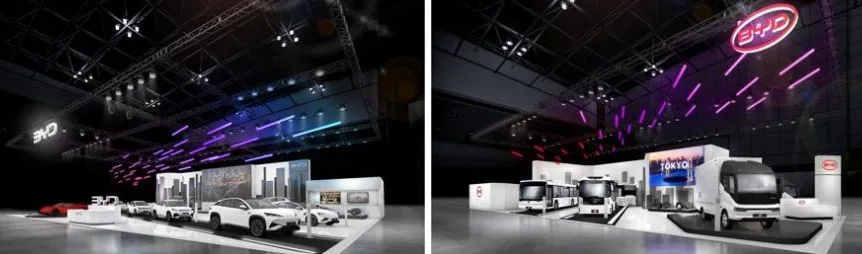








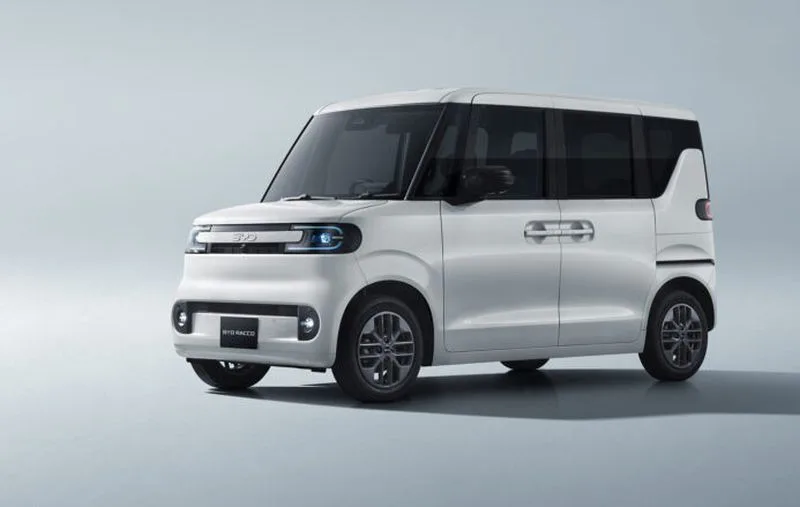
BYD used the opening of the Japan Mobility Show 2025 to unveil the Racco, its first kei-class EV designed specifically for Japan, and to outline a 13-vehicle stand spanning passenger and commercial models.
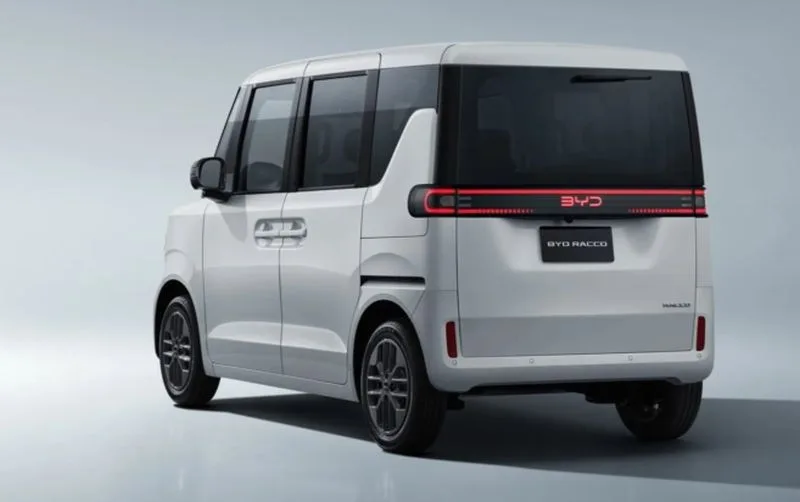
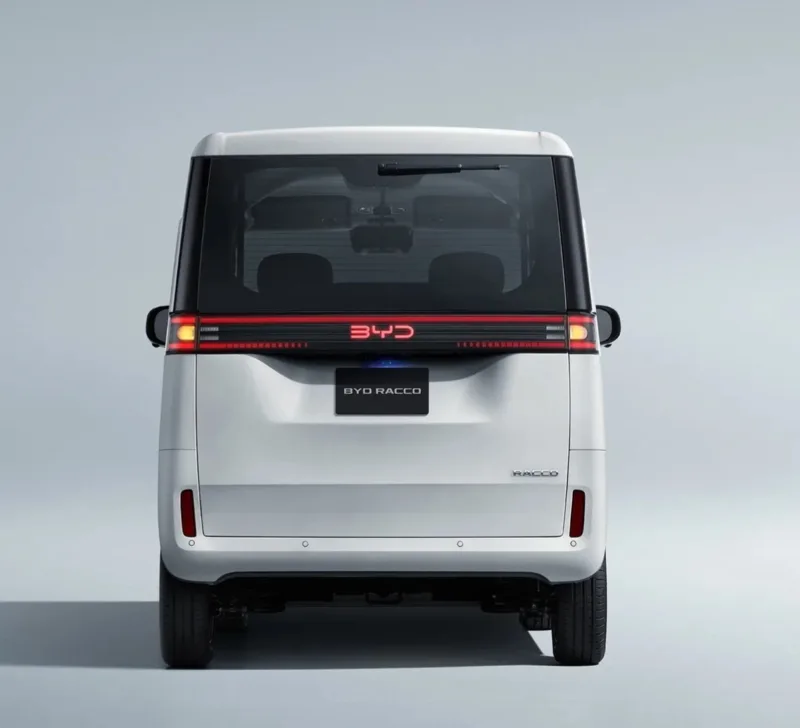
“Racco” is Japanese for sea otter; the pint-sized EV is a world premiere for BYD and it is slated for a market debut in summer 2026, positioning the brand against local best-sellers such as Nissan’s Sakura.
BYD said Racco is an overseas-only programme for Japan, previewed in prototype form at the show.
Early material from Japanese and international outlets points to a front-wheel-drive layout with LFP (Blade) battery options, including a long-range variant of around 20 kWh targeting roughly 180km on Japan’s WLTC cycle.
Fast-charging up to 100kW has been touted, while kei-car rules cap external dimensions (length 3,400 mm, width 1,480 mm, height 2,000 mm), setting the Racco for dense urban use.
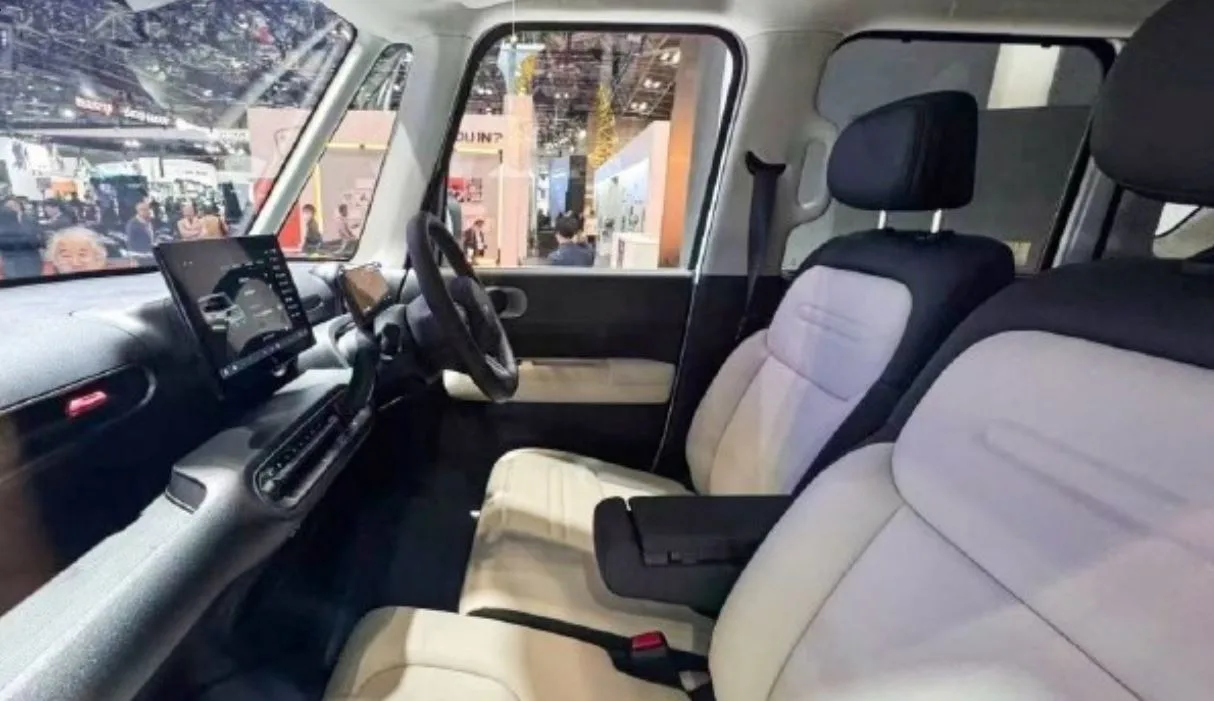
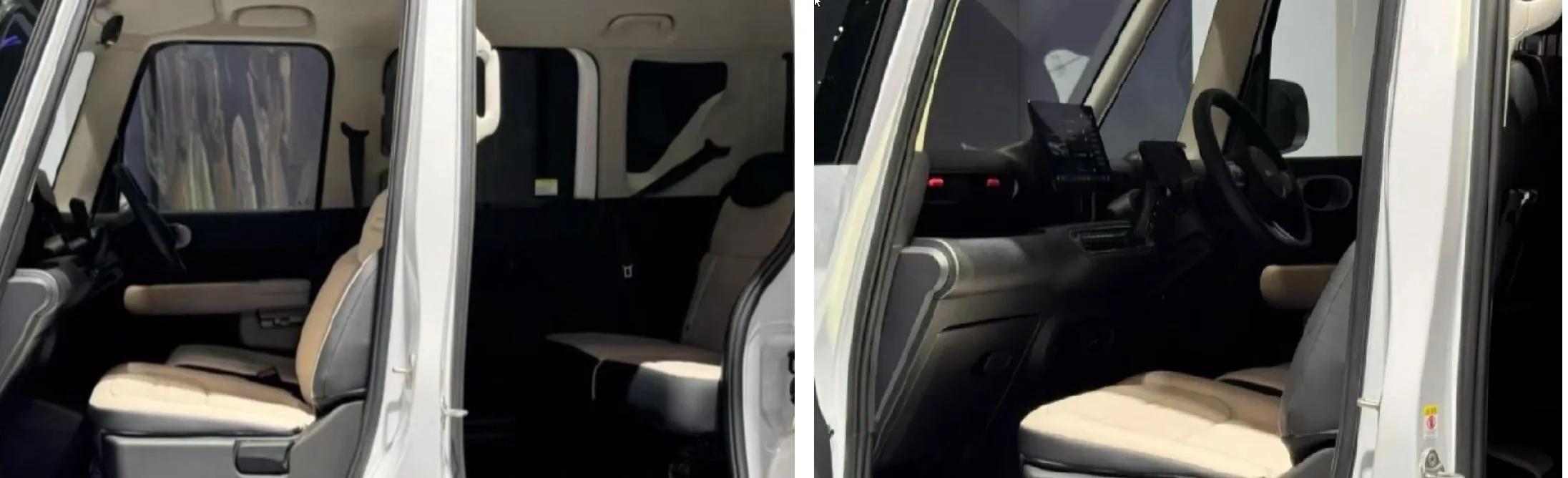
BYD has yet to reveal official pricing since the Racco launch is only next year but it is believed to be from 2.6 million yen (around RM72,000).
The Chinese automaker is aiming at the heart of a segment that accounts for about a third of Japan’s sales, with a package built to local tastes and streets.
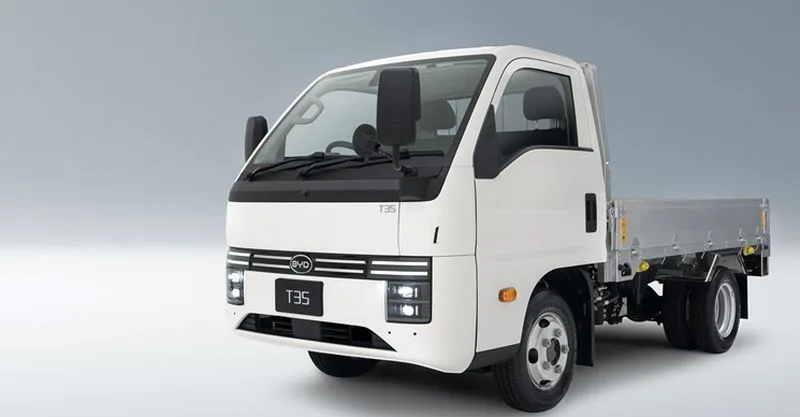
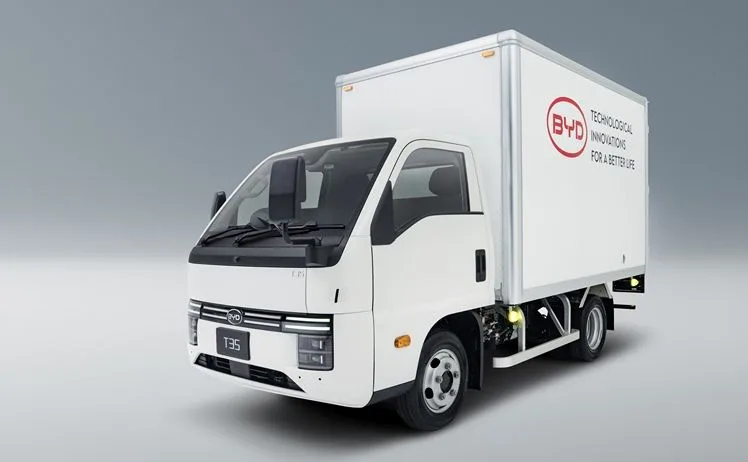
Alongside the city-car debut, BYD’s commercial division staged the world premiere of the T35, a compact electric truck homologated for Japan and driveable on a regular licence.
Two bodies — aluminium van and flatbed — were shown, each built on an e-Platform with Cell-to-Chassis (CTC) integration of BYD’s LFP Blade battery for improved torsional rigidity and stability.
Key specs include 62 kWh battery capacity, a WLTC-equivalent 250 km single-charge range, 150 kW/340 Nm rear-drive motor, 120 km/h top speed and 35% gradeability.
The T35 is planned for spring 2026 launch in Japan at around ¥8 million (bodywork included), with ADAS features such as FCW, ACC and LDW standard.
The truck’s practical party trick is power export. With V2L up to 10 kW (and V2H capability), BYD demonstrated how the T35 can energise equipment at events or worksites—going as far as running a mobile sauna setup (stove and chiller) off the vehicle battery on the show floor.
The cabin is pitched “passenger-car like”, with a 12.8-inch display, voice assistant, OTA updates, wireless phone charging and heated/ventilated driver’s seat, indicating BYD wants to bring comfort tech into light-duty EVs.
BYD’s stand totals 13 vehicles across passenger and commercial lines, with additional Japan premieres including the Sealion 6 DM-i PHEV and a stage appearance by the Yangwang U9 super-EV. But the headlines belong to a sea otter and a small truck: a kei EV tailored to Japan’s streets, and a workhorse that can power a sauna — both showing BYD’s increasingly localised strategy for one of the world’s toughest domestic markets.