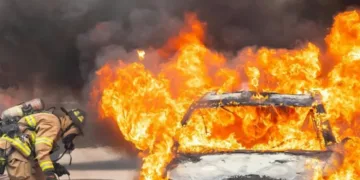
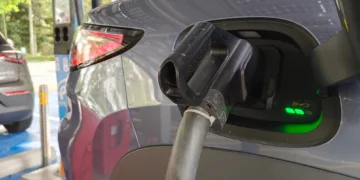


Two recent fires linked in public discussion to electric vehicles (EVs) have renewed questions about charging safety. But the Malaysian Electric Vehicle Owners Club (MyEVOC) wants investigators to establish what happened before the incidents are used to justify additional regulations.
The club said Malaysia already has extensive electrical safety requirements and that preventing unsafe installations should take priority over introducing more rules. Its response follows calls by the Federation of Malaysian Consumers Associations (Fomca) for tighter oversight of charging facilities in condominium basements, shopping malls and enclosed car parks.
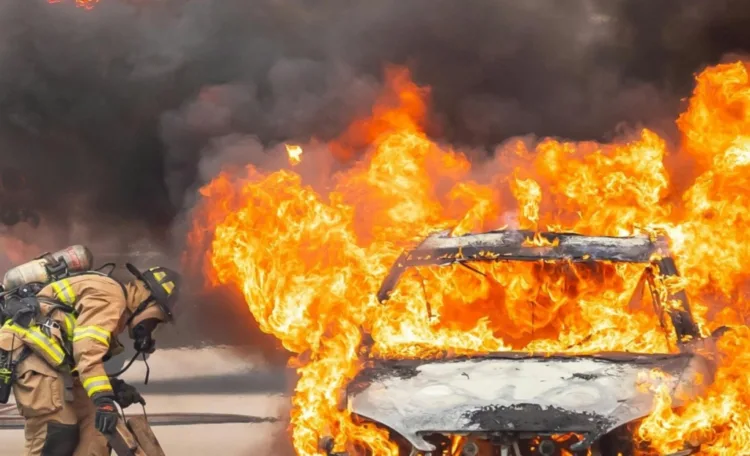
MyEVOC referred to an August house fire in Cheras, where an EV was reportedly being charged, and an October fire at an EV battery-storage facility in Jelutong, Penang. The incidents involved different circumstances. MyEVOC cautioned against blaming EV charging systems before forensic investigations are complete.
It wants investigation findings made public once forensic examinations are complete, distinguishing where a fire started from what caused it.
Beyond the investigation of fires, MyEVOC identified everyday installation practices as a more immediate concern. These include the use of uncertified charging equipment, overloaded domestic electrical circuits and installation work performed without the required authorisation.
The club said adding regulations would achieve little if property owners continued to bypass existing safety requirements. It wants joint management bodies, management corporations and homeowners to check contractors’ credentials and electrical documentation before approving charging installations.
Form Q certifies an electrical contractor’s registration, while Form G covers supervision and completion of electrical work. Form H certifies that the installation has been tested. These checks fall within Malaysia’s electrical safety framework, which comprises the Electricity Supply Act 1990 and Electricity Regulations 1994, alongside the Energy Commission’s guidelines for EV charging systems.
Relevant safeguards include approved equipment, qualified personnel, electrical load assessments, dedicated cabling and residual-current protection. MyEVOC also urged authorities to act against sellers of unapproved chargers and contractors undertaking unauthorised installation work.
Fomca, meanwhile, wants stronger safety oversight involving the Housing and Local Government Ministry, Fire and Rescue Department, Energy Commission and local authorities. It has said it is not calling for a blanket ban on indoor charging, while calling for adequate fire protection and stricter inspections.
Both organisations support improved compliance and enforcement. Their difference centres on whether additional regulations are needed to address the risks.