







Singapore’s first-quarter car market shows how quickly Chinese EV brands are turning policy, COE positioning and fuel-cost anxiety into market share.
Land Transport Authority (LTA) registration data published on April 24 shows 13,322 new cars registered between January and March 2026. The figures include COE (certificate of entitlement) and tax-exempted cars, but exclude taxis.
Electric cars now sit at the centre of that shift. Based on the LTA table, EVs accounted for 7,679 of those registrations, or 57.6% of the first-quarter market. That compares with annual EV shares of 45% in 2025, 33.6% in 2024, 18.1% in 2023, 11.7% in 2022 and 3.8% in 2021, showing how quickly Singapore’s new-car mix has changed.
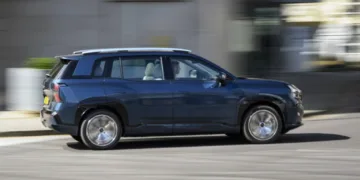
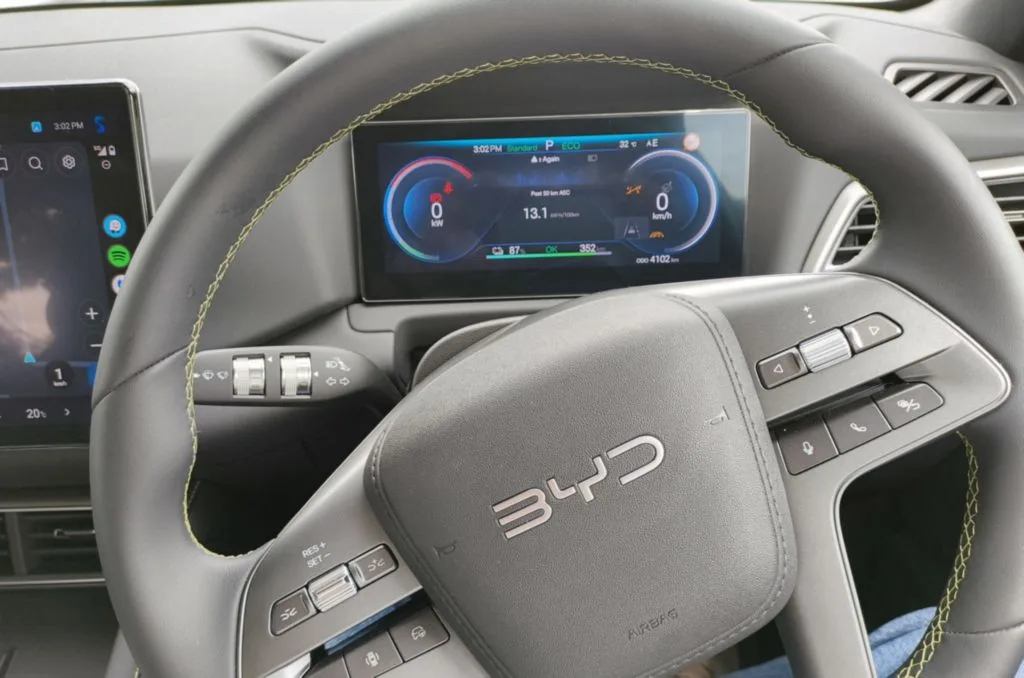
BYD is the clearest beneficiary. LTA data shows 3,073 electric BYDs and 166 plug-in hybrid BYDs registered in the first quarter, giving the Chinese brand 3,239 units in total. That is 24.3% of all new cars registered in Singapore during the period.
The market shift becomes clearer once the rest of the top 10 is examined.
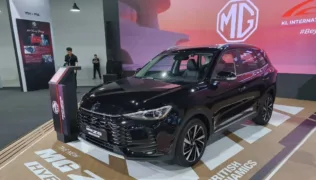
Chery, GAC and MG also entered the top 10, giving Chinese brands four places among Singapore’s bestselling car brands.
Chery registered 572 EVs and 28 plug-in hybrids, while GAC recorded 380 EVs and 11 plug-in hybrids. MG added 375 pure EVs.
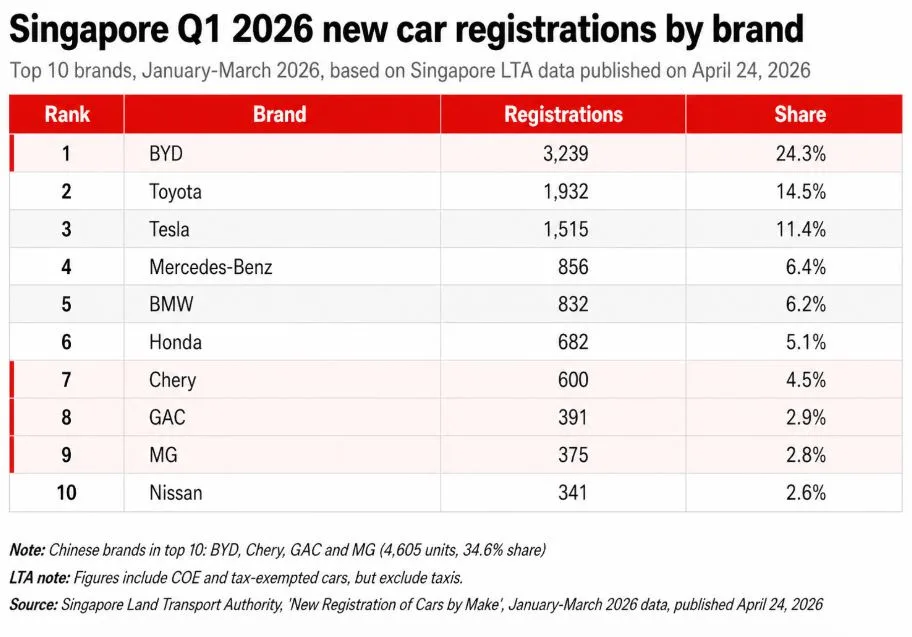
Together, BYD, Chery, GAC and MG registered 4,605 cars, giving the four Chinese brands a combined 34.6% share of Singapore’s Q1 new-car market. Their pure-EV tally came to 4,400 units, or 57.3% of all EVs registered during the quarter.
Toyota still held second place with 1,932 registrations, helped mainly by petrol-hybrid models. Tesla ranked third with 1,515 registrations, while Mercedes-Benz, BMW, Honda and Nissan filled the remaining top-10 positions.
The sales pattern is being shaped by more than model choice.
First, EV buyers can receive meaningful tax relief through Singapore’s cleaner-vehicle incentives, while dirtier models face surcharges and the revised PARF (preferential additional registration fee) rules make long-term values less predictable for many new-car buyers.
Second, the COE system gives brands an opening if they can price and engineer cars for Category A. Chinese EV makers have been active in that space, where premiums are often lower than Category B, although the gap can move from tender to tender.
Third, the fuel backdrop has become less forgiving.
Brent crude rose to US$108 a barrel in late April as stalled US-Iran talks and restricted shipping through the Strait of Hormuz kept pressure on oil supply.
For Singapore, which imports its fuel, expensive crude strengthens the running-cost case for buyers who have reliable charging access.
The first-quarter numbers do not show EV adoption merely edging upward. They show a market being rearranged around incentives, COE strategy and fuel-cost sensitivity, with Chinese EV brands moving fastest to capture the demand.