



Should Germany prioritise keeping its car factories over retaining ownership of its carmakers? A leading German economist has stirred debate by putting forward the idea of selling Volkswagen to Chinese buyers.
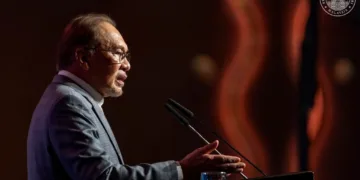
Moritz Schularick, president of the Kiel Institute for the World Economy, raised the proposal at an industrial conference in Berlin on Nov 24, German business newspaper Handelsblatt reported.
Schularick argued that Germany’s economic interests would be better served by retaining manufacturing and the associated economic activity than insisting on domestic ownership. He considered a sale worth exploring while Volkswagen could still command a price.
Among those attending the conference was Michael Jansen, who heads Volkswagen’s corporate representative office in Berlin.
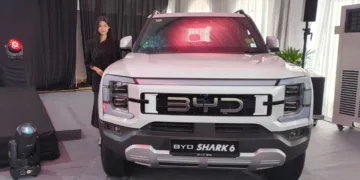
In July, Schularick had predicted that a Chinese carmaker could acquire Volkswagen, identifying BYD as one possible buyer. No specific buyer was named in his latest proposal.
But would a change of ownership address Volkswagen’s competitive weaknesses?
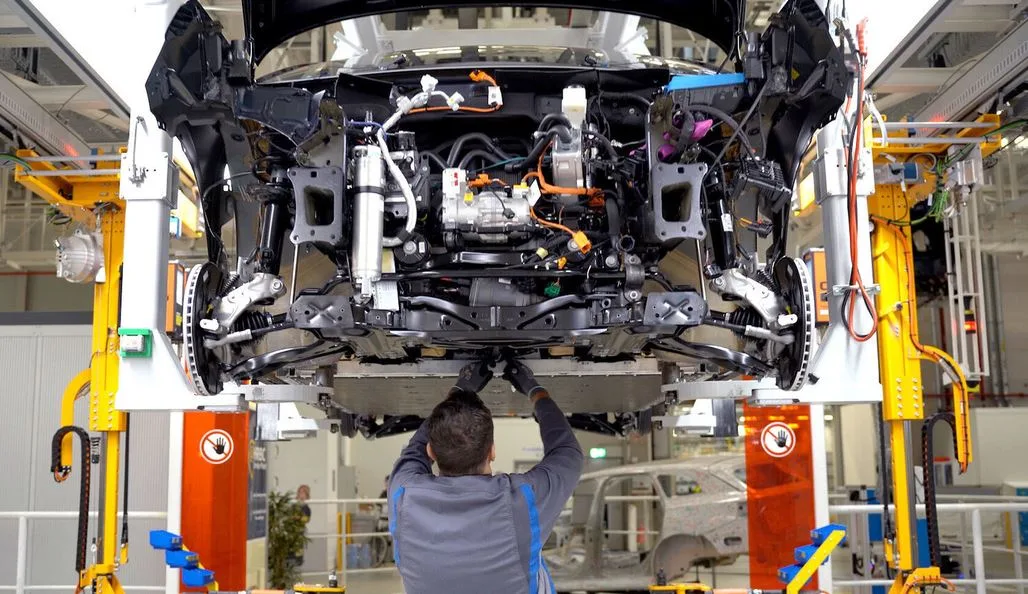
Automotive industry expert Ferdinand Dudenhöffer told German business magazine WirtschaftsWoche that high electric vehicle (EV) production costs were a problem across the German car industry. He advocated greater manufacturing standardisation and cooperation with Chinese technology providers.
Automotive researcher Stefan Bratzel, meanwhile, argued that retaining factories would offer limited protection if research, technological development and corporate decision-making increasingly took place outside Germany.
Volkswagen’s financial results for the first nine months of 2026 showed a 98.7% decline in operating profit, largely attributable to exceptional charges, including asset and goodwill write-downs.
Group vehicle sales dropped 10.6% to 5.88 million units, while revenue fell 2.2%. Excluding its Chinese joint ventures, however, vehicle sales were down only 1%. European orders for fully electric models rose 39%.
A takeover would also have to contend with Volkswagen’s concentrated voting rights.
As of Dec 31, 2025, Porsche Automobil Holding SE held 53.3% of the voting rights, followed by the German state of Lower Saxony with 20% and Qatar Holding with 17%. The remaining 9.7% was publicly traded.
Schularick’s proposal remains part of a wider debate over the future of German automotive manufacturing. There have been no publicly reported acquisition negotiations arising from his remarks.