









The European Union (EU) begins applying its Euro 7 emissions standards to new types of passenger cars and vans on Nov 29, introducing environmental performance requirements that extend beyond exhaust emissions.
Even vehicles without combustion engines will be subject to the new rules, which cover battery durability, brake particle emissions and tyre abrasion. Fuel and electrical energy consumption are also covered under the regulatory certification and monitoring framework.
The initial deadline concerns new vehicle type approvals. From Nov 29, 2027, new car and van registrations must also comply, subject to exemptions and transitional provisions.
For electric vehicle (EV) and plug-in hybrid electric vehicle (PHEV) buyers, Euro 7 establishes minimum standards for how well traction batteries retain their ability to store energy over time.
Passenger cars must retain at least 80% of their certified usable battery energy for the first five years or 100,000 km, whichever comes first.
The minimum drops to 72% for the subsequent period extending to eight years or 160,000 km, whichever comes first.
Electric and plug-in hybrid vans have slightly lower thresholds of 75% and 67% respectively over the same age and mileage periods.
These are regulatory performance requirements, not mandatory battery warranty terms. A common durability standard could help build confidence in the used EV market.
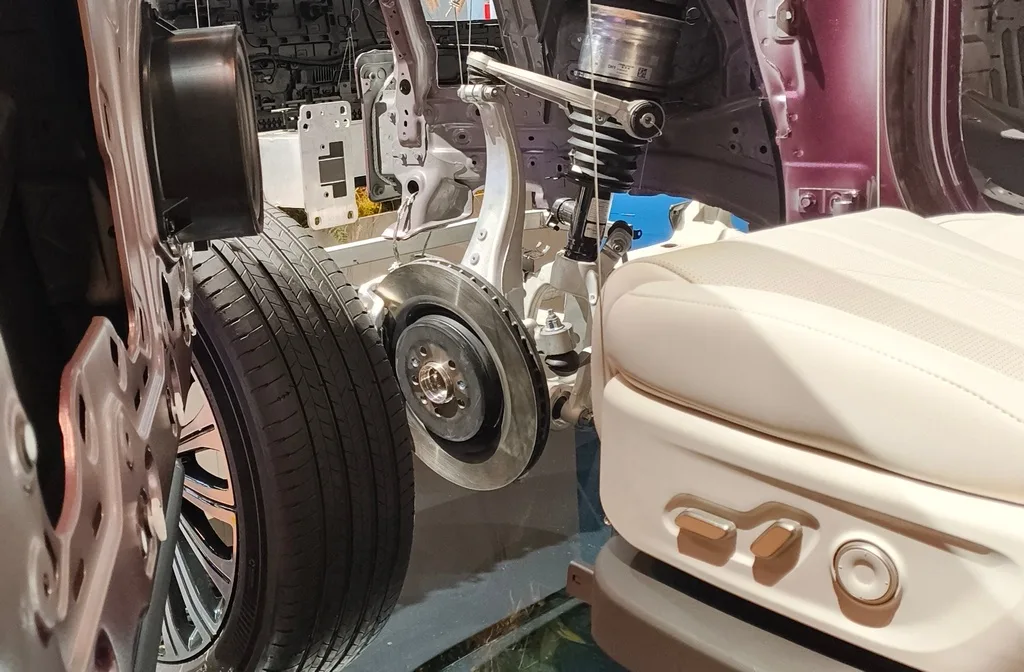
Euro 7 also sets limits on particulate matter released through brake wear, with different thresholds according to powertrain technology.
Under standardised testing, fully electric passenger cars are subject to a brake particulate matter (PM10) limit of 3 mg/km, against 7 mg/km for combustion-engined and hybrid cars. These initial limits apply until Dec 31, 2029.
Regenerative braking reduces reliance on friction brakes while recovering energy during deceleration.
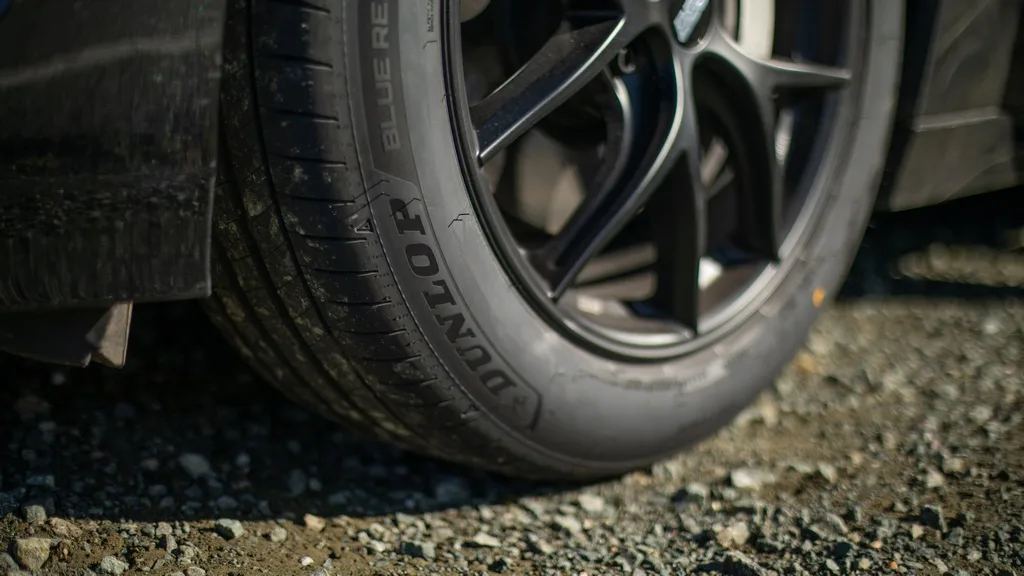
Tyre abrasion requirements follow a separate timetable, beginning on July 1, 2028 for new passenger car tyre types. Existing vehicles will not have to be retrofitted solely because of Euro 7.
Great Britain is taking a different approach. The British government has dropped its proposed November 2026 deadline for new vehicle types but plans to implement Euro 7 for new registrations of mainstream production cars and vans from Nov 29, 2027.
Small-volume manufacturers have until July 1, 2030, while certain other vehicle approval categories remain exempt from the initial mandate.
Although Euro 7 does not directly apply in Malaysia, its influence on battery engineering, braking systems and tyre development extends to manufacturers supplying multiple international markets.