





Huawei has published its “Top 10 Trends of Charging Network Industry 2026”, arguing that the next phase of EV charging would be defined less by simple expansion and more by higher power, tougher reliability requirements and heavier use of software to run networks efficiently.
Huawei’s Smart Charging Network president Wang Zhiwu laid out the company’s view of where charging infrastructure was heading, with commercial-vehicle electrification featuring heavily.
At the top of the list, Huawei said “high-quality development” had become a baseline requirement as charging moves beyond private cars and into a mixed fleet of passenger and commercial vehicles.
It said legacy chargers would need large-scale upgrades and that cities would shift from building “ultra-fast charging” coverage to “megawatt charging” capability through unified planning, standards, supervision and operations and maintenance.
Huawei said ultra-fast charging would become mainstream as new vehicle hardware spread, pointing to wider use of third-generation power semiconductor materials and higher C-rate traction batteries.

It added that megawatt-charging commercial vehicles would increasingly dominate the market.
Several trends targeted logistics directly.
Huawei said the “fuel-to-electricity” switch would expand heavy goods vehicle use cases from limited, closed routes to broad, all-scenario adoption as batteries became cheaper and megawatt charging matured.
It also claimed the rise of 100MW-scale charging stations, pitched as essential infrastructure for high-throughput operations, with profitability tied to technical capability, electricity pricing and scalable deployment.

Security appeared as a core theme. Huawei said commercial-vehicle sites, which demand higher power and often more energy storage system capacity, would require a more comprehensive electrical safety architecture to protect people, vehicles and equipment, backed by cybersecurity.
On the hardware front, Huawei backed liquid-cooled ultra-fast charging, saying it offered better heat dissipation and protection than air-cooled systems in harsh conditions such as high heat, humidity, salt fog and dust.
It said liquid cooling would increasingly be applied to both vehicles and chargers to enable efficient megawatt charging and reduce overall vehicle costs.
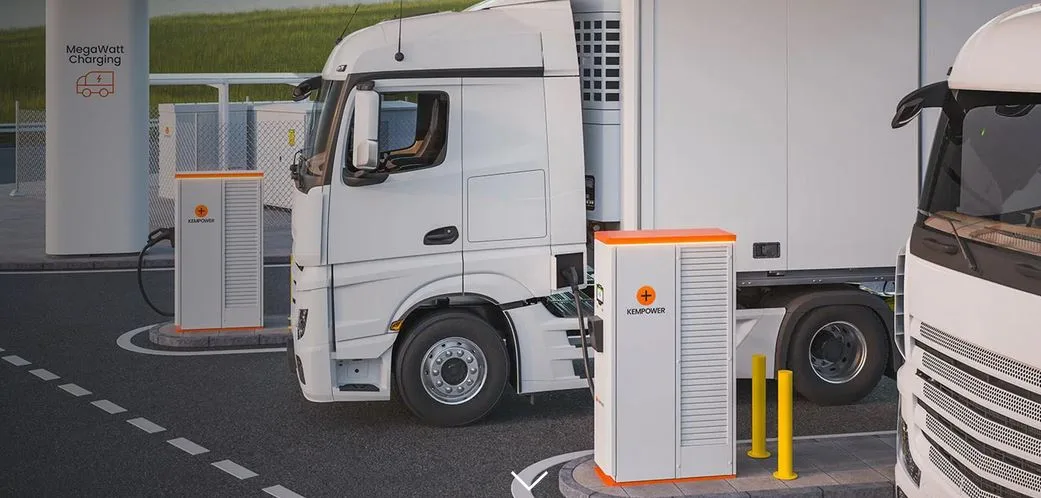
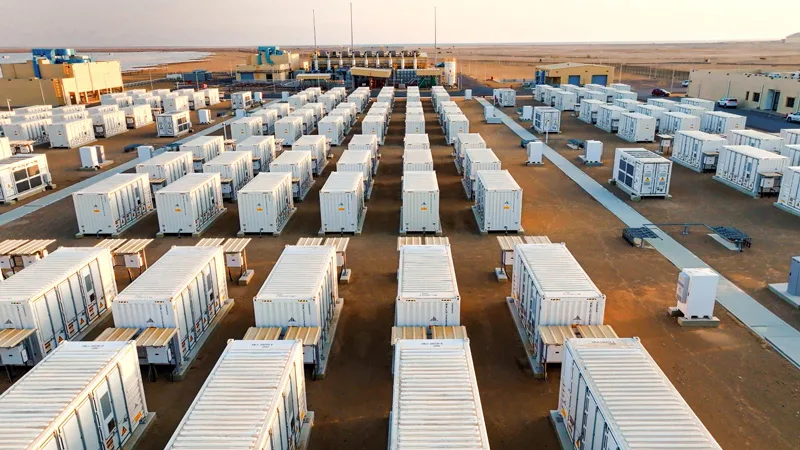
Huawei also highlighted DC-based energy storage plus charger systems as a way to add effective power capacity where grid supply is constrained, and it pushed modular station construction to lower costs, shorten deployment times and allow relocation.
The list rounded out with “campus microgrids”, combining PV, storage and charging for on- or off-grid operation, and “AI empowerment”, which Huawei said would link networks, stations, chargers and vehicles by breaking down digital silos and improving both driver experience and logistics efficiency.