





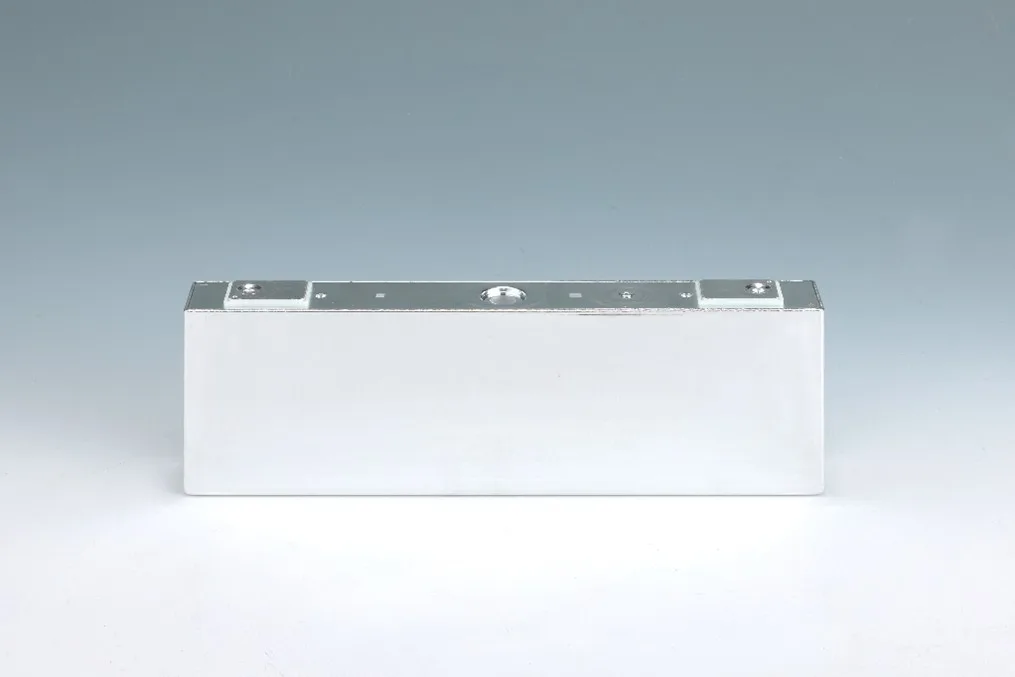
Toyota has announced a new prismatic lithium-ion battery design that it said would reduce battery height by about 20% while improving efficiency by a similar margin.
The technology was among several developments presented at Toyota’s North American research and development headquarters in Michigan on Nov 11, covering electrification, automated driving, software and manufacturing.
The battery uses horizontally positioned terminals, allowing a thinner design. This could give engineers more room to work with when fitting batteries beneath the passenger compartment.
Toyota did not explain how it measured the 20% efficiency gain or identify which vehicles would use the new battery.
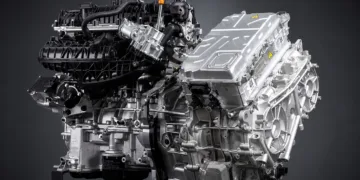
The company also showed progress on smaller hybrid systems aimed at cutting fuel use while giving engineers more freedom in vehicle design.
More compact motors and electrical components would help free up space without compromising the benefits of hybrid technology.
Toyota also confirmed that it remains on course to introduce all-solid-state batteries in a production model by the end of 2028.
These batteries are being developed to store more energy in less space and support faster charging. Toyota sees uses beyond passenger cars, including commercial vehicles, drones and electric vertical take-off and landing aircraft.
The 2028 target is unchanged from Toyota’s earlier plans for solid-state battery technology.
Beyond powertrains, Toyota aims to introduce its L2++ automated driving assistance system in selected vehicles from 2028. It will draw on real-world driving data and artificial intelligence developed in-house.
Toyota also plans to expand its Arene vehicle software platform to about 50 models and 10 million vehicles worldwide by 2030.
The company continues to invest in both hybrid and battery-electric technology, with the new battery design and smaller hybrid systems forming part of its work on future vehicles.