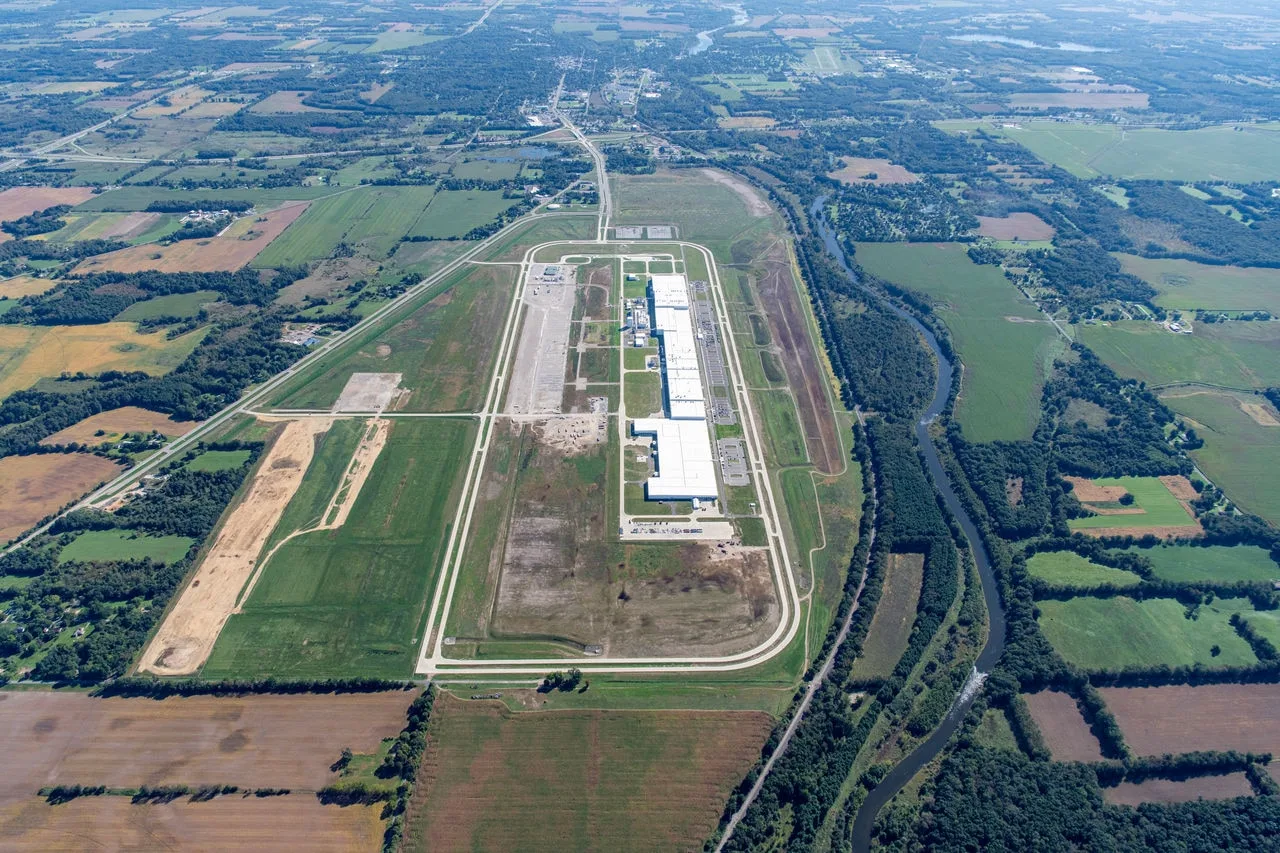







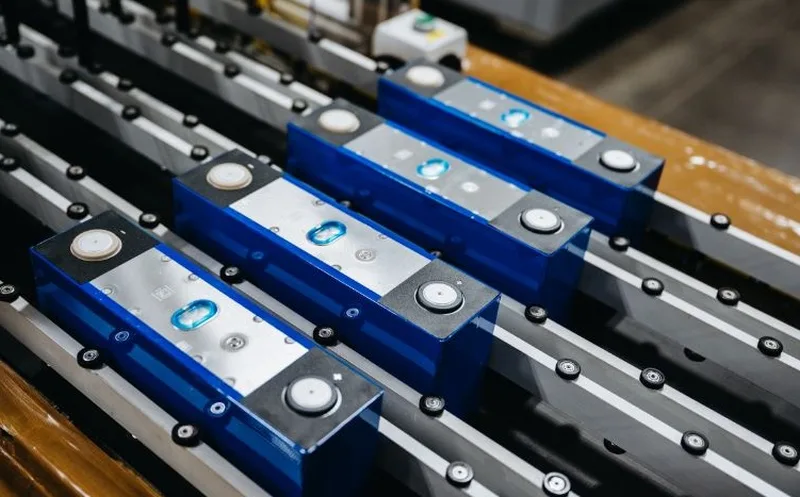
Ford has begun shipping its first lithium iron phosphate (LFP) battery cells from its new Michigan factory, marking the US carmaker’s entry into battery cell manufacturing using technology licensed from China’s CATL.
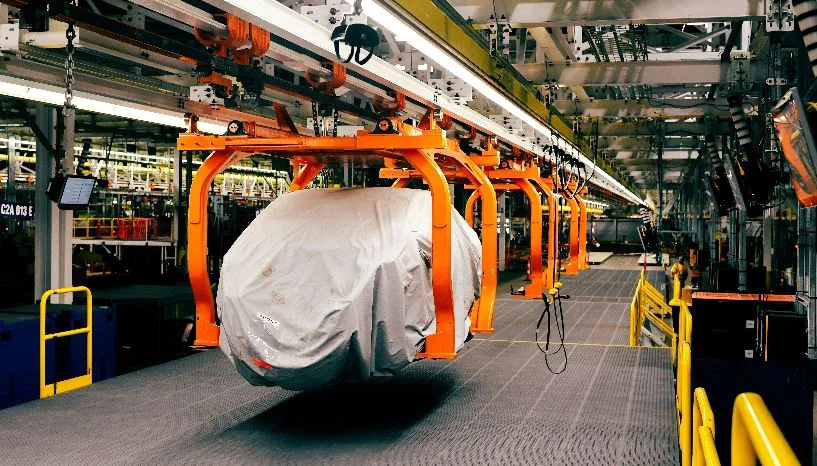
The first prismatic cells produced at BlueOval Battery Park Michigan in Marshall are being sent to Ford’s Louisville Assembly Plant in Kentucky for use in prototypes of the forthcoming Fathom electric pick-up.
Ford owns and operates the Michigan facility, while CATL provides licensed battery technology and related services. The arrangement allows Ford to manufacture LFP cells domestically rather than depend entirely on imported batteries.
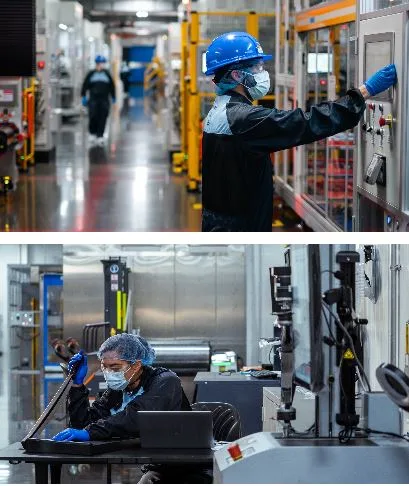
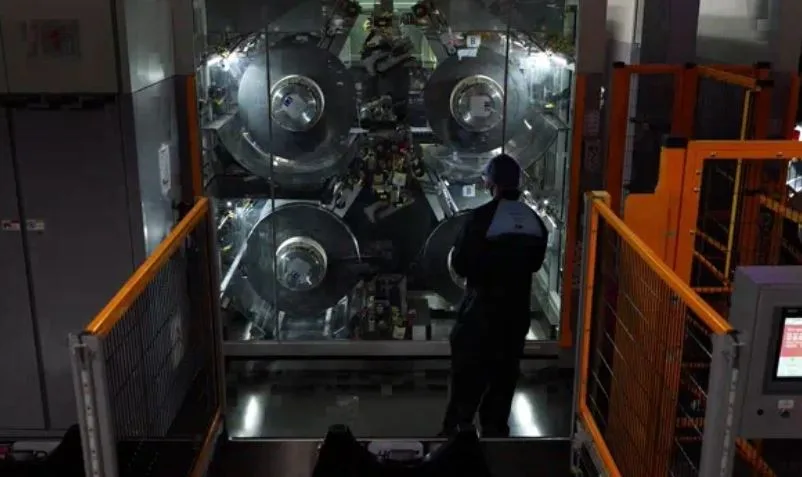
The factory’s assembly lines can produce 40 cells a minute, which Ford said makes them among the fastest LFP prismatic cell production lines outside China.
Ford has also introduced AI-based visual inspection and other quality checks to detect manufacturing defects.
LFP batteries contain no nickel or cobalt, helping to reduce material costs. Ford has chosen rectangular cells for the Fathom because they can be packaged efficiently within the chassis.
The battery pack will also serve as a structural component, reducing the number of separate parts and helping to cut vehicle weight and production costs.
The Fathom, a mid-sized electric pick-up built on Ford’s Universal Electric Vehicle Platform, is scheduled to reach customers in 2027, with a targeted starting price of around US$30,000 (RM117,000).
Ford plans to have its battery pack plant in Marshall operating in 2027 ahead of the vehicle’s launch.
Experience gained from the Michigan operation will also support Ford Energy’s battery storage business in Glendale, Kentucky, where the company is preparing to manufacture batteries for stationary energy storage applications.