









Nissan has unveiled the Pixo, a four-seat electric city car for Europe with a claimed range of about 259km and customer deliveries scheduled to begin in early 2027.
The Pixo uses a 27.5kWh lithium iron phosphate battery, the first of its type in a Nissan model sold in Europe. A 60kW motor powers the car, although Nissan has yet to publish acceleration figures.
DC charging at up to 50kW is standard across the range. Nissan quotes about 28 minutes for a charge from 15% to 80%, while the onboard AC charger accepts up to 11kW. The stated driving range is 259km.
At 3,796mm long and 1,790mm wide, the Pixo is built for streets and parking spaces where a larger electric vehicle can be awkward.
Its turning circle is 9.9 metres. Nissan also includes one-pedal driving, allowing the driver to pull away, slow down and stop using the accelerator pedal.
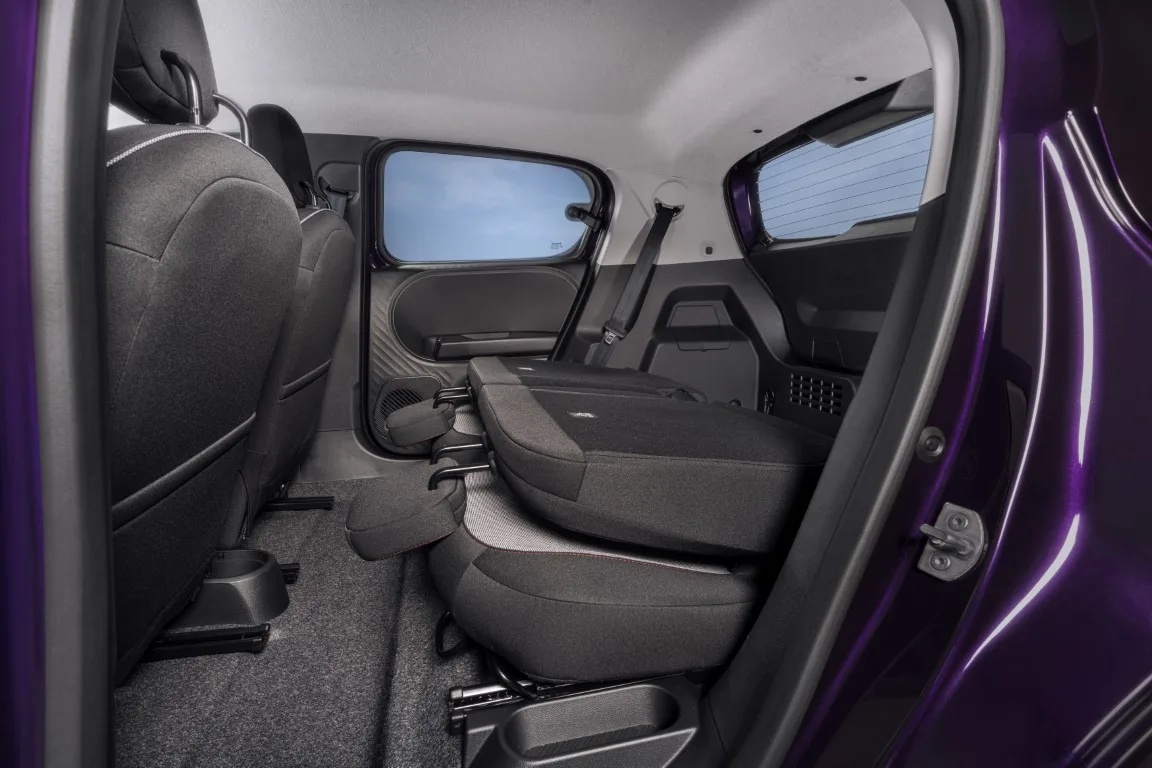
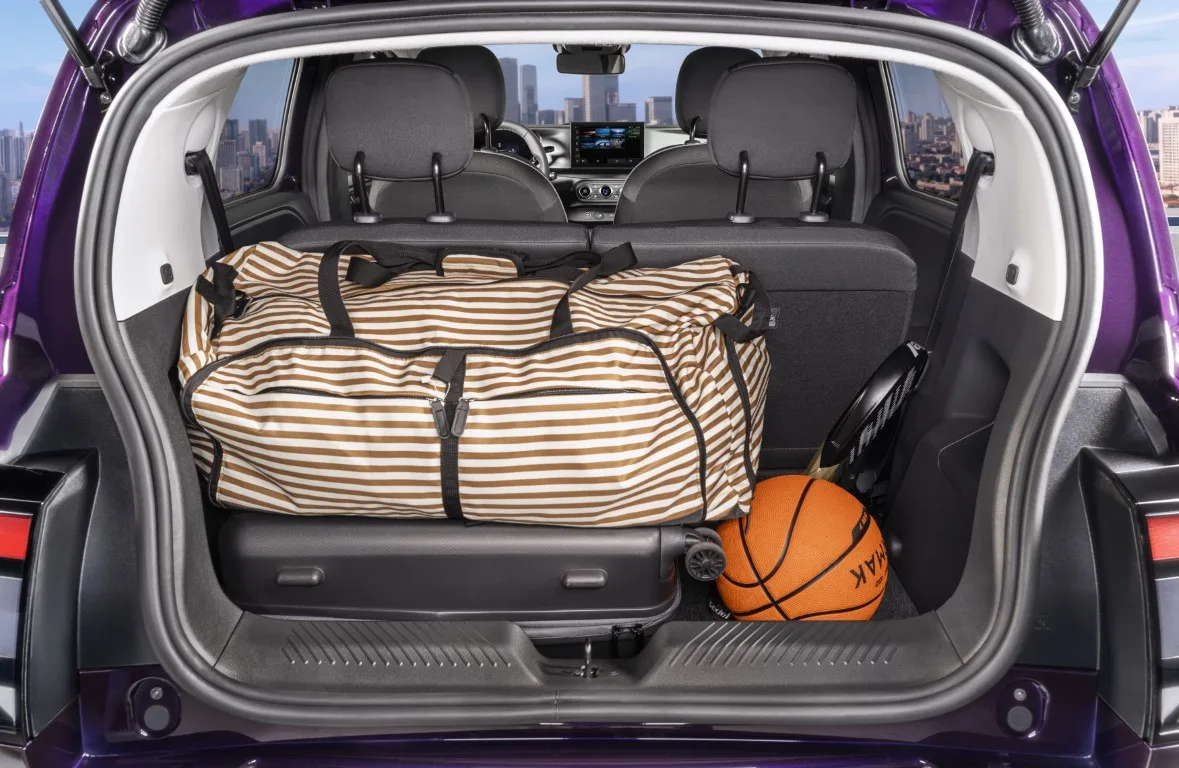
The small body leaves room for four adults, Nissan said. Each rear seat slides independently, so occupants can trade legroom for luggage space on either side.

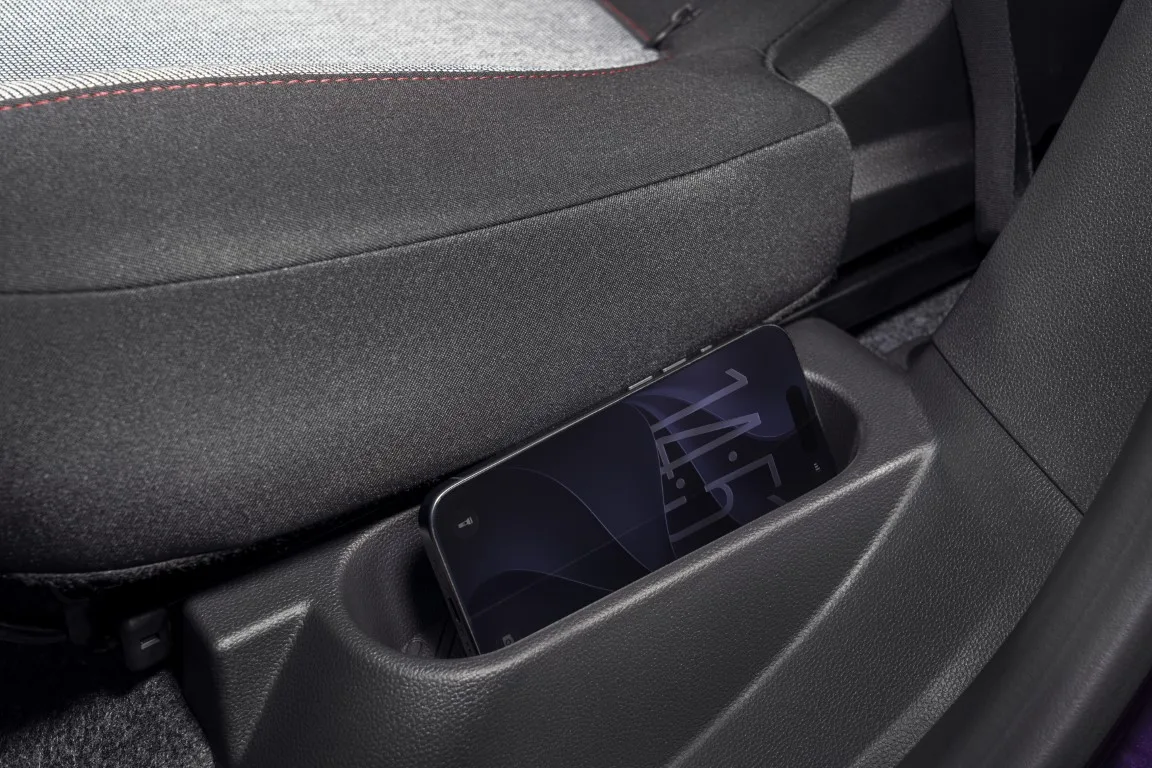
Boot capacity reaches 356 litres with the rear seats upright, including a 50-litre compartment for charging cables. There are another 18 litres of storage around the cabin.
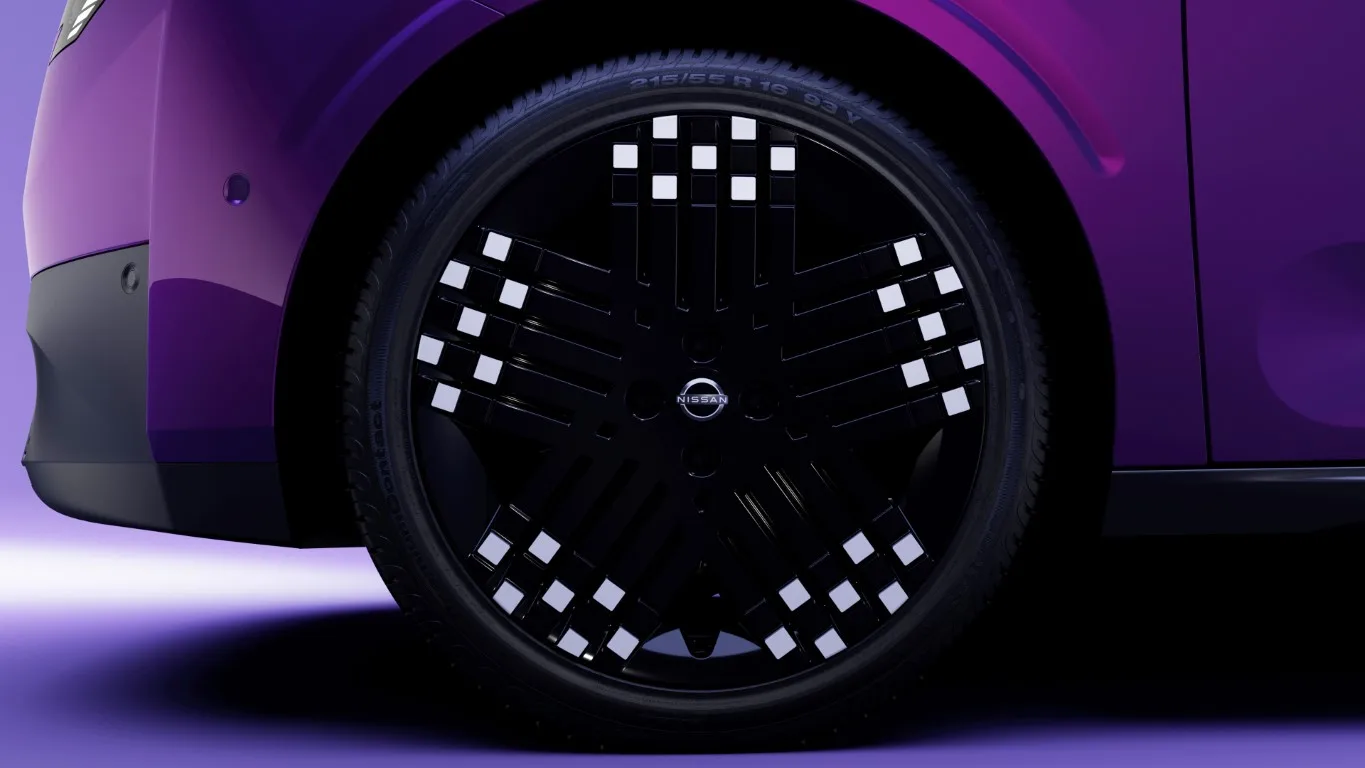
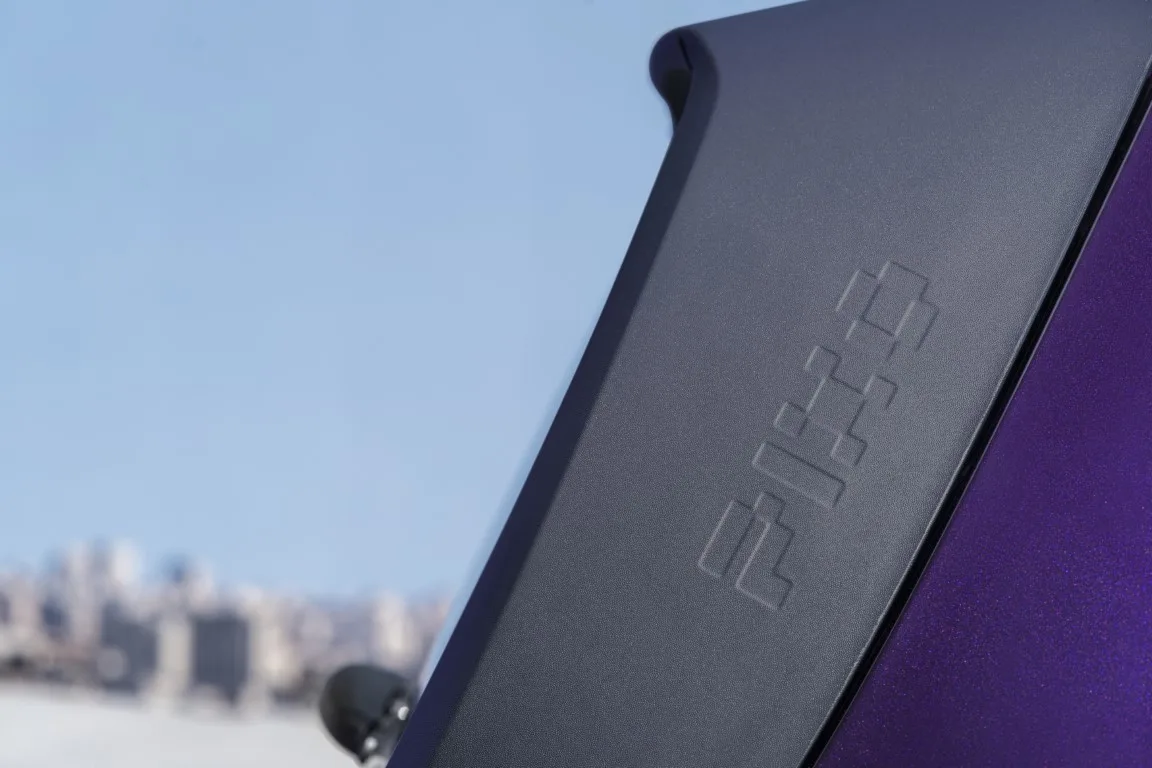
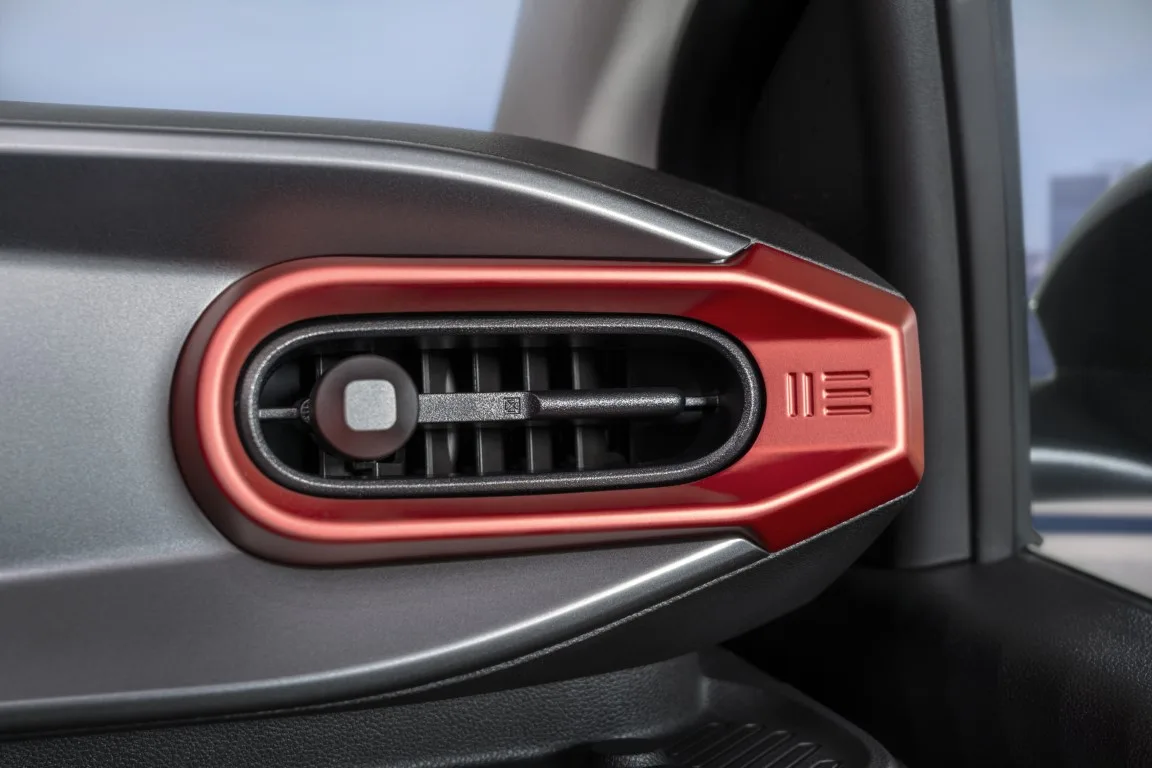
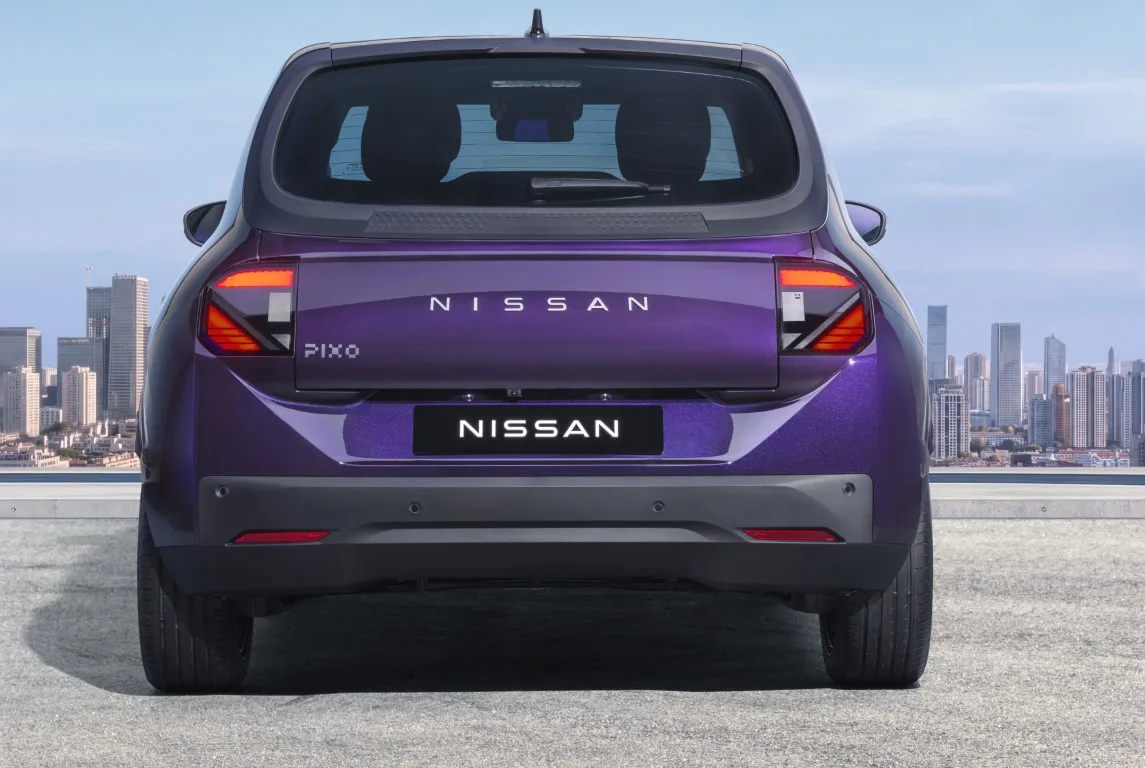
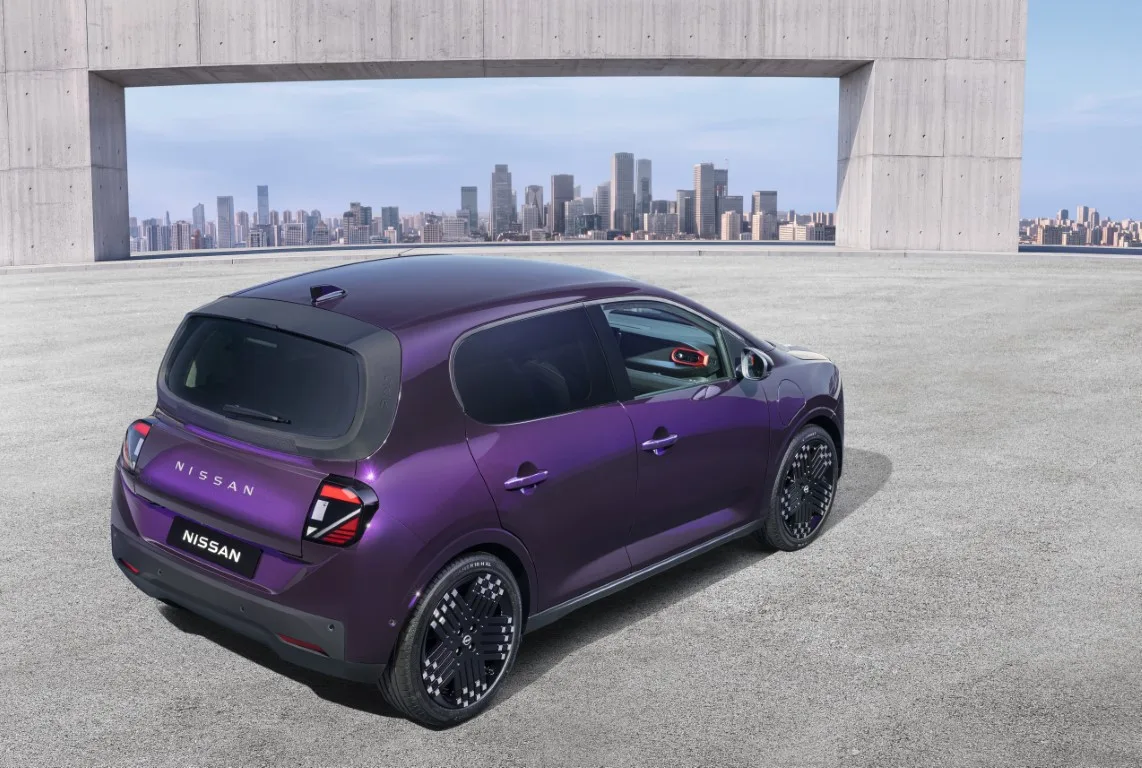
Outside, the Pixo takes a boxy shape with pixel-inspired lighting and a front bumper Nissan describes as having a “robot face”.
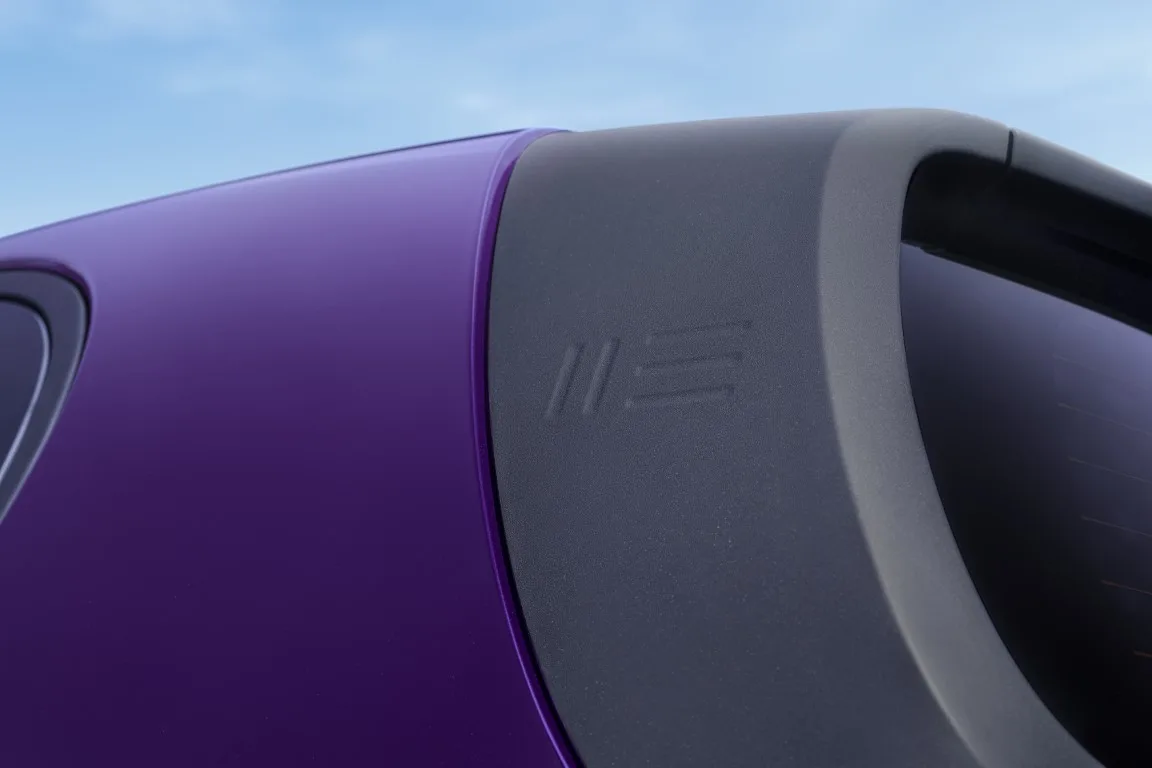
Look closely and there are hidden “23” details, a reference to the Japanese pronunciation of Ni and San. Wonder Purple and Gear Blue are among the colours announced.
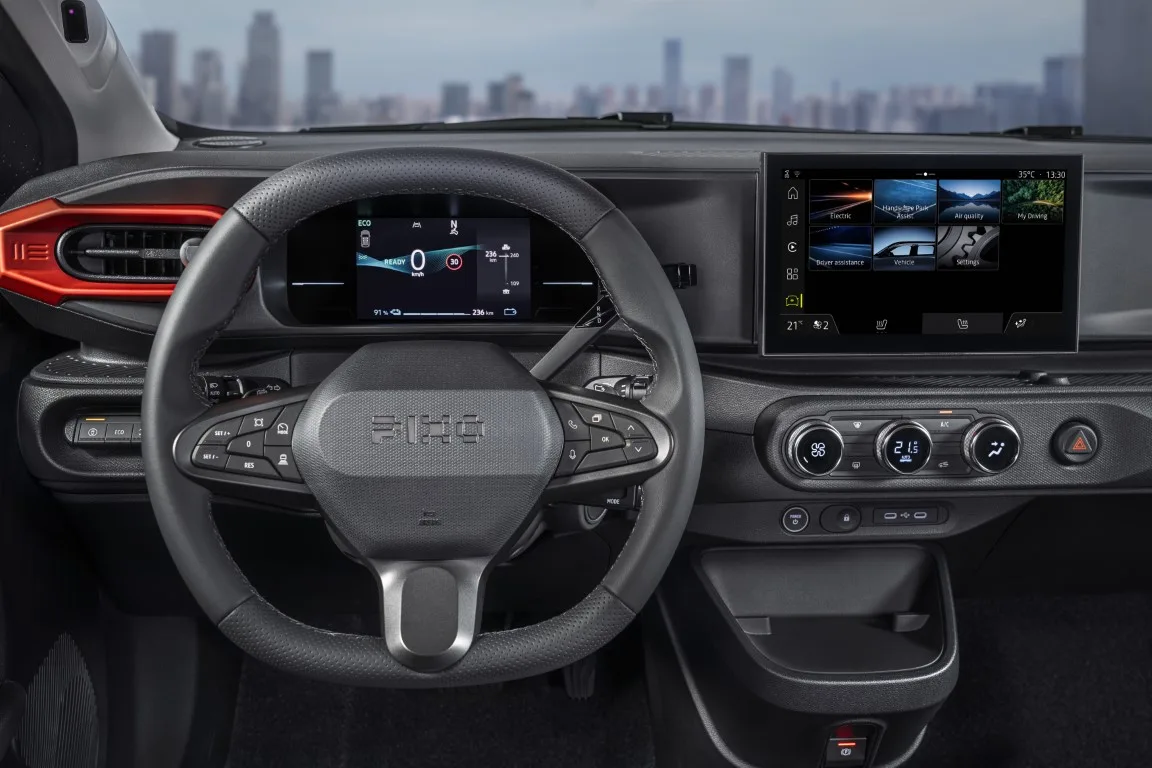
Google built-in brings navigation and connected services to a 10-inch centre touchscreen, alongside a 7-inch driver display.
The system also includes Gemini, which Nissan said can handle spoken requests for navigation, entertainment and communication in 16 languages and dialects at launch. It can use previous conversations to learn a driver’s preferences.

The MyNissan app provides remote access to charging and vehicle functions. Nissan also lists facial recognition that calls up a driver’s saved settings. It has not detailed which of these features will be standard on every grade.
Driver assistance equipment includes adaptive cruise control with stop-and-go operation, lane-departure warning and hands-free parking. Nissan describes these as standard features, though buyers will need the market specifications to see exactly how the cars are equipped locally.
The Pixo is a Nissan-designed derivative of the Renault Twingo E-Tech electric. It shares the AmpR Small platform family and will be built by Renault in Slovenia. The arrangement gives Nissan another European electric vehicle alongside the Micra and LEAF, with an electric Juke also planned.

For Nissan, the Pixo marks a return to Europe’s smallest car class. Its modest battery and motor output put the emphasis on short trips, while the sliding seats give owners more choice over how to use the limited space. The quoted 259km range and 50kW charging rate will be key figures for buyers weighing it against other small EVs.
Nissan said it will announce prices, market specifications and pre-order details from December.








| Nissan Pixo Specifications | |
|---|---|
| Dimensions | |
| Length | 3,796 mm |
| Width, excluding mirrors | 1,790 mm |
| Height, unladen | 1,512 mm |
| Wheelbase | 2,492 mm |
| Front / rear overhang | 741 / 563 mm |
| Ground clearance | 140 mm |
| Turning circle | 9.9 m |
| Electric powertrain | |
| Battery | 27.5 kWh lithium iron phosphate (LFP) |
| Power | 60 kW |
| Range | About 259 km WLTP (161 miles) |
| DC charging | Up to 50 kW; 15–80% in approximately 28 minutes |
| AC charging | 11 kW, bidirectional |
| Boot capacity | |
| Rear seats in place | 356 litres (VDA) |
| Rear seats folded | 1,221 litres (VDA) |
Figures supplied in the original table. Range converted from miles to kilometres.