








BYD has released more technical details on its 1.5MW Flash Charging system, giving a clearer picture of the hardware it plans to introduce in Malaysia.
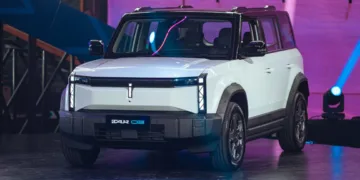
BYD Malaysia said in June that the rollout would be phased, with the first installations expected at selected BYD and Denza showrooms and service centres. Locations, charger numbers, pricing and a start date have yet to be announced.
1. How fast can it charge?
A Flash Charger can deliver up to 1,500kW through one connector. With compatible BYD battery technology, the company claims a 10–70% charge takes five minutes, while 10–97% takes nine minutes.
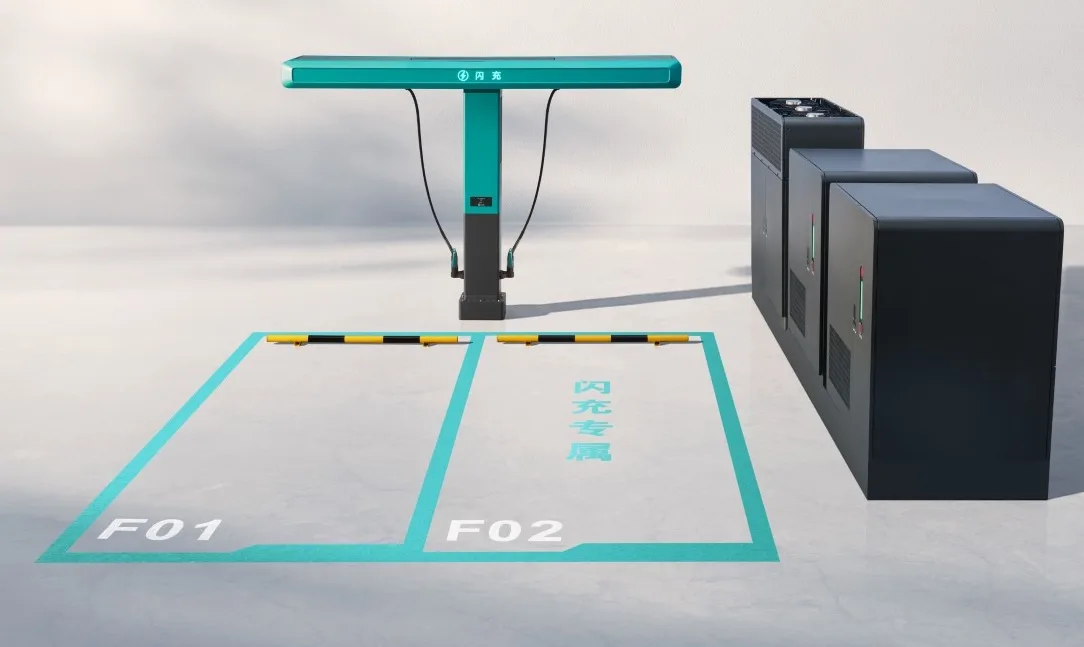
Each charger has two connectors. When both are being used, BYD said each can supply up to 1,000kW.
2. Does it need a 1.5MW grid connection?
Not necessarily.
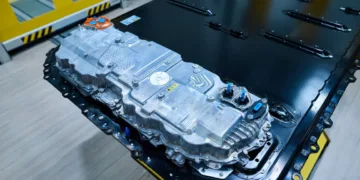
Each charger incorporates two 185kWh stationary batteries, giving 370kWh of on-site storage. These can draw electricity from the grid at roughly 100kW to 560kW, depending on local conditions, before releasing energy much faster when a vehicle plugs in.
The battery therefore acts as a buffer between the grid and car. BYD has previously demonstrated the same principle with its Flash Charging system.
3. Can every EV charge at 1.5MW?
No. The vehicle still determines the maximum charging rate.
BYD’s second-generation Blade Battery supports a peak 10C charging rate, allowing compatible cars to make use of the charger’s highest outputs.
A car rated at 220kW DC, for example, remains limited to around 220kW even when connected to a Flash Charger. BYD Malaysia product chief Ho Hee Hean gave that example when explaining the system in June.
4. Will Malaysian chargers be open to other brands?
At least part of the network is intended to be accessible beyond BYD and Denza.
BYD Malaysia said it is not planning Flash Charging as a closed, BYD-only system. Other EV brands could use the chargers where the cars are technically compatible.
Owners of cars with high DC charging capability would stand to gain the most. Lower-rate EVs could still charge, but would not suddenly acquire megawatt charging speeds.
5. Why are the cables suspended overhead?
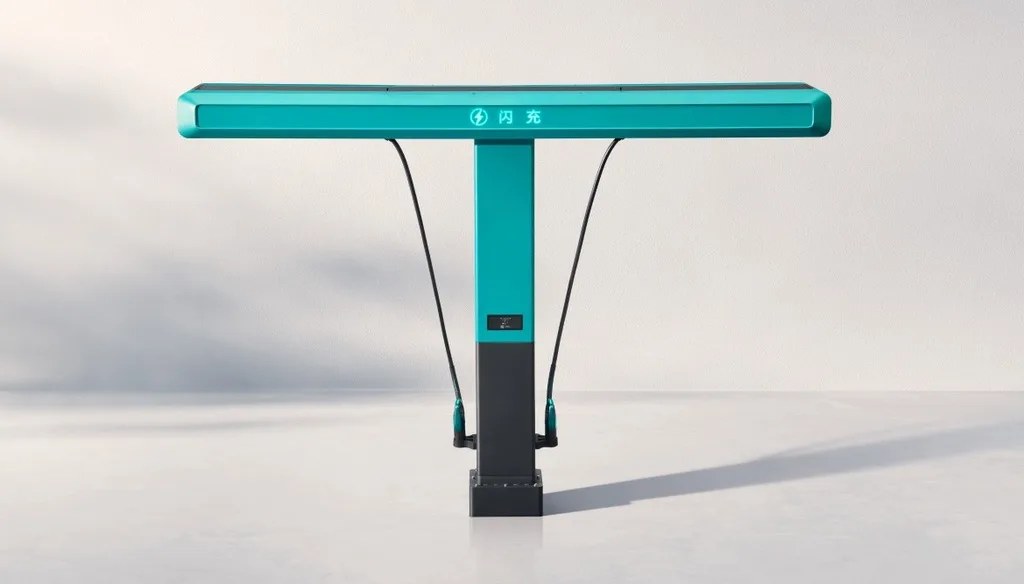
The T-shaped charger carries its connectors on overhead rails. This keeps the heavy cables off the ground while allowing them to be moved towards charging ports in different positions on a vehicle.
It also reduces the amount of cable weight the user has to handle.
6. What happens next in Malaysia?
The first Flash Chargers are expected at BYD and Denza premises, with wider deployment dependent on grid capacity, operating rules and other infrastructure considerations. BYD has also been studying tariffs, payment integration and cooperation with charge-point operators and authorities.